
Sucker rod pumps are failing in harsh wells, leading to costly downtime and lost production. Choosing the right material for critical components is the key to improving pump reliability and efficiency.
A solid Stellite valve cage offers superior, uniform resistance to the combined forces of wear, corrosion, and impact found in demanding oilfields. This inherent durability prevents common failures, extends pump life, and ensures more consistent production, making it the ideal choice for challenging wells.
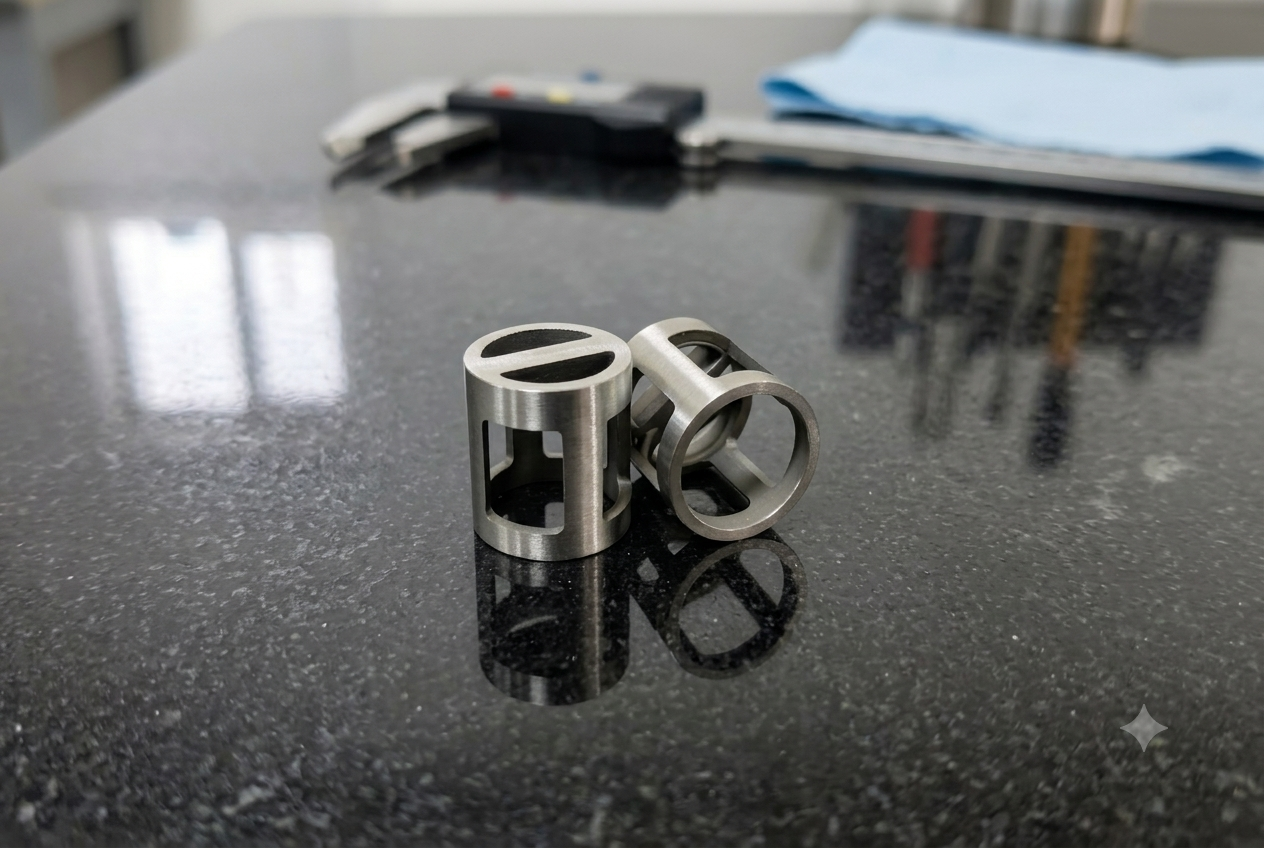
The heart of a sucker rod pump’s efficiency lies in its valve system. When a valve cage fails, the entire operation grinds to a halt, leading to expensive workovers and lost revenue. We’ve seen this happen time and again. But the problem isn’t just one single issue; it’s a complex attack on the equipment. Understanding what causes these failures is the first step, but the real solution lies in choosing a material that can withstand everything a well throws at it.
In the following sections, I will break down exactly how conventional cages fail and why solid Stellite is the definitive answer to these persistent problems.
How Do Conventional Valve Cages Typically Fail in Wells?
Are your standard valve cages wearing out far too quickly? You’re constantly pulling pumps for repairs, and the costs are adding up. Understanding the specific failure modes is the first step.
Conventional cages often fail from a destructive combination of sand erosion, fluid corrosion, and the constant impact from the valve ball. This wear deforms the cage, causing poor sealing, lost efficiency, and pump failure.
When we analyze failed valve cages from the field, we rarely find a single cause of failure. Instead, it’s a battle fought on multiple fronts. In my experience working with oilfield maintenance teams, I’ve seen how these forces work together to destroy standard components.
The Attack of Abrasive Particles
Fine sand and other solids in the well fluid act like sandpaper on the internal surfaces of the valve cage. This constant “sandblasting” effect, known as abrasive wear or erosion, widens the cage’s internal diameter. As the cage wears, the guidance it provides to the valve ball becomes sloppy. The ball can’t seat properly, leading to leaks, reduced pump efficiency, and accelerated wear on both the ball and the seat.
The Silent Damage of Corrosion
Well fluids can be incredibly corrosive, containing saltwater, H₂S, and CO₂. Standard steel materials, even some stainless steels, will corrode under these conditions. Corrosion weakens the material, creates pits on the surface, and can make the cage brittle. This damage makes the cage much more vulnerable to the physical stresses of pump operation.
The Constant Battering from Valve Balls
A sucker rod pump can cycle hundreds of thousands of times a week. With every stroke, the valve ball impacts the cage. This repetitive impact creates localized stress and can lead to metal fatigue or deformation, especially if the material has already been weakened by corrosion or abrasion. Surface-hardened parts are particularly vulnerable, as the hard layer can crack or wear away, exposing the softer core material beneath.
| Failure Mode | Description | Consequence |
|---|---|---|
| Abrasive Wear | Sand and solids erode the inner surface. | Poor ball guidance, improper sealing. |
| Corrosion | Chemical attack from well fluids. | Material weakening, pitting, brittleness. |
| Impact Fatigue | Repeated stress from the valve ball. | Deformation, cracking, and eventual fracture. |
What Makes Solid Stellite a Superior Material for Valve Cages?
You need a material that simply works, without compromise. Coatings can peel, and surface hardening wears through, but what if there was a better way? A solid alloy provides consistent properties throughout.
Solid Stellite is not a coating; it’s a cobalt-chromium alloy that is inherently hard, corrosion-resistant, and tough through its entire structure. This provides uniform, long-lasting protection without any risk of a surface layer failing.
The problem with surface treatments is that they are just that—on the surface. Once that layer is gone, the component is defenseless. Solid Stellite alloys, like the Stellite 19 we often recommend, are fundamentally different. The performance is built into the material’s DNA, from the outside surface all the way to the core.
Inherent Wear Resistance
The strength of Stellite alloys comes from their microstructure. They consist of hard carbide particles distributed throughout a tough cobalt-chromium matrix. These carbides provide outstanding resistance to abrasion and erosion caused by sand particles. Unlike hardened steel, the wear resistance remains consistent throughout the entire component life.
Unmatched Corrosion Control
The cobalt-chromium matrix forms a stable protective film that resists aggressive chemicals found in well fluids. This allows Stellite to withstand H₂S, CO₂, chlorides, and other corrosive environments that would quickly damage conventional materials.
High-Temperature Stability and Toughness
Stellite alloys maintain their hardness and strength even at elevated temperatures. This “hot hardness” contributes to excellent toughness, resistance to deformation, and superior anti-galling performance under demanding downhole conditions.
| Property | Standard Stainless Steel | Surface-Hardened Steel | Solid Stellite 19 |
|---|---|---|---|
| Wear Resistance | Low | High (Surface Only) | Very High (Throughout) |
| Corrosion Resistance | Moderate | Low (Base Material) | Very High |
| Galling Resistance | Poor | Moderate | Excellent |
| Failure Mode | Wears & Corrodes | Coating Peels / Wears Off | Very Slow, Uniform Wear |
What is the Real-World Value of Using Solid Stellite Valve Cages?
I know what you’re thinking. Stellite parts can seem more expensive upfront. It’s a common concern for procurement managers worried about the initial budget. But looking at the total cost of ownership reveals the true story.
The value isn’t just a longer part life. It’s about drastically reducing expensive well interventions, minimizing production downtime, and achieving stable, reliable pump performance. The long-term savings always outweigh the initial investment.
Focusing only on the purchase price of a component is a common mistake. A cheaper part that fails every few months is far more expensive than a premium part that runs reliably for years. The real cost includes labor, workover expenses, and lost production.
Reducing Well Interventions
Every pump pull requires a workover rig, labor crew, and significant downtime. By extending service intervals from months to years, solid Stellite valve cages directly reduce operational expenditures and maintenance costs.
Maximizing Production Uptime
A reliable pump means continuous production. Solid Stellite valve cages help maintain consistent pump performance, reduce unexpected shutdowns, and improve production forecasting accuracy.
A Smarter Supply Chain Decision
For procurement and project managers, specifying solid Stellite valve cages lowers the total cost of ownership. Fewer replacement orders, reduced maintenance requirements, and improved equipment reliability all contribute to long-term profitability.
| Cost Factor | Standard Cage | Solid Stellite Cage |
|---|---|---|
| Initial Purchase Price | Low | High |
| Frequency of Replacement | 3–6 Months | 18–36+ Months |
| Workover Costs (Lifetime) | Very High | Low |
| Lost Production Costs | Very High | Low |
| Total Cost of Ownership | High | Low |
Conclusion
Solid Stellite valve cages significantly improve sucker rod pump reliability by resisting wear, corrosion, and impact damage. Although the initial investment is higher, the reduction in maintenance, downtime, and workover costs makes them the most cost-effective solution for demanding oilfield applications.
For operators facing abrasive, corrosive, or high-maintenance well conditions, solid Stellite valve cages provide a proven path to longer service life, higher production uptime, and lower total operating costs.