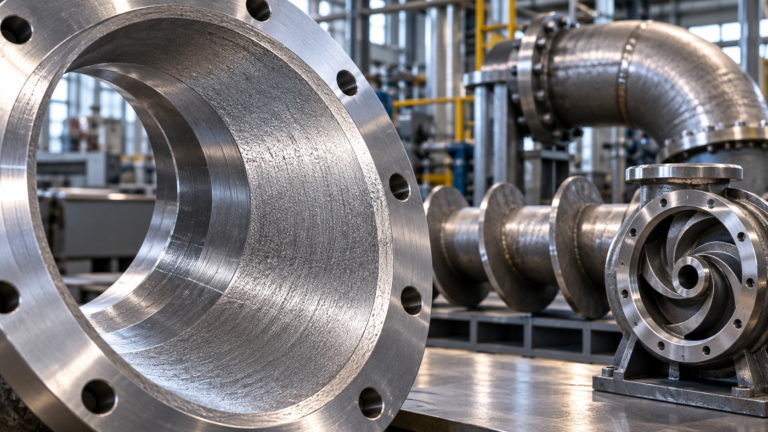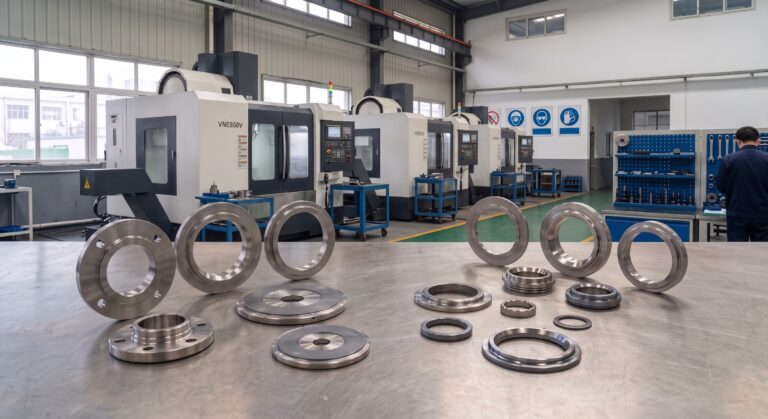

Valves in tough industrial settings are failing, causing expensive downtime. Replacing them is a costly, slow process. But what if you could restore and upgrade them for a fraction of the cost?
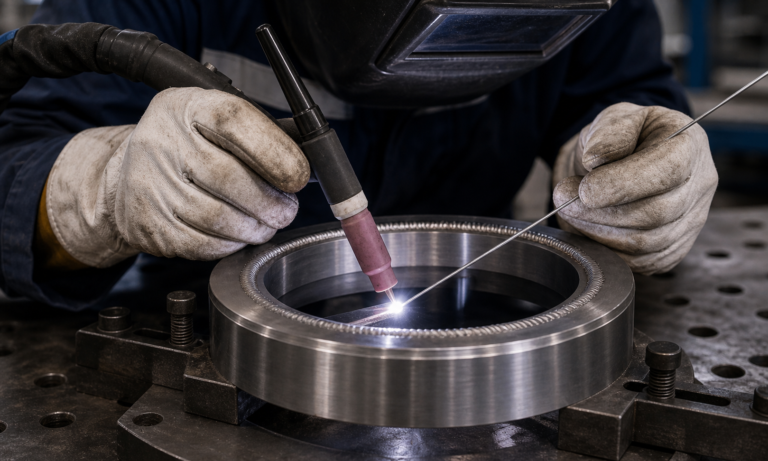
The best way to repair industrial valves is by using Stellite welding consumables. This process, called hardfacing, applies a tough layer to sealing surfaces. It rebuilds and upgrades resistance to wear, erosion, and corrosion, significantly extending the valve’s service life beyond a simple repair.
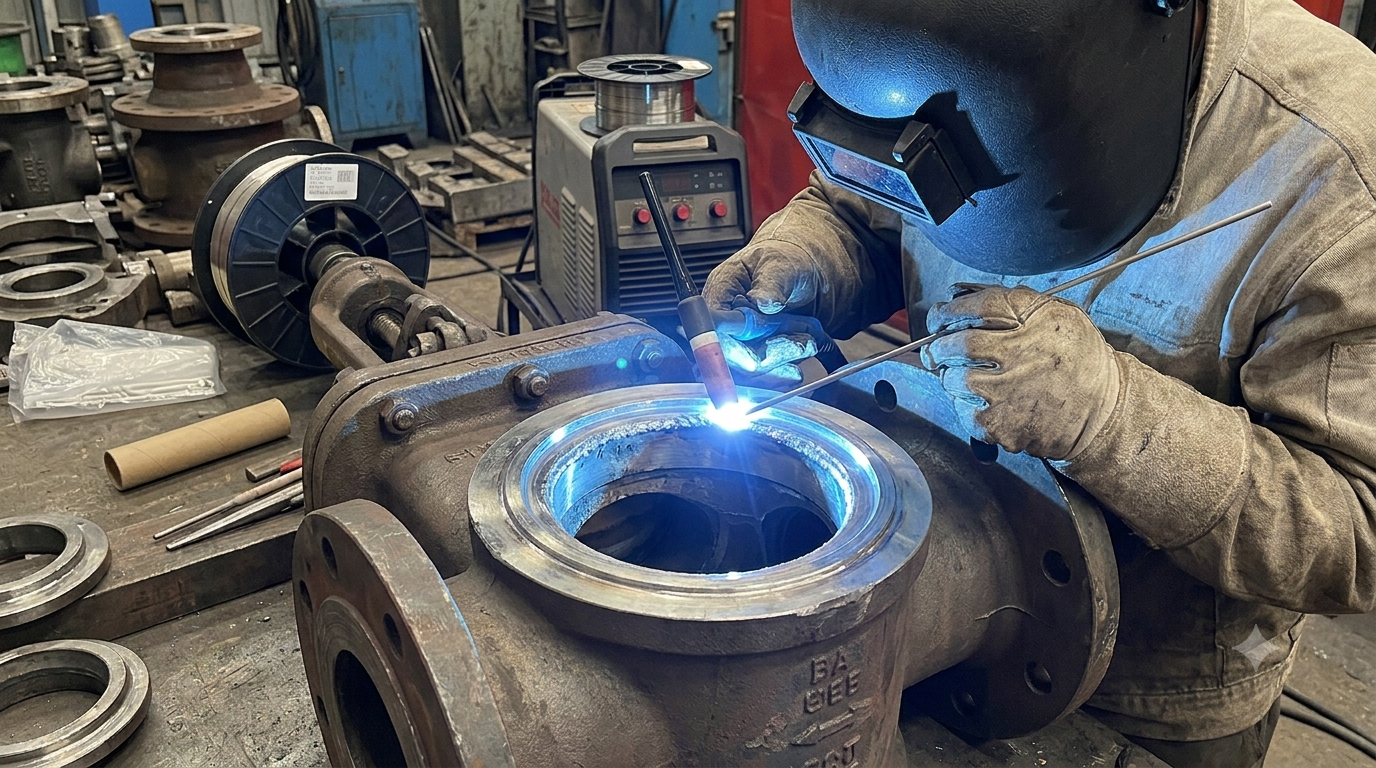
I have seen many companies struggle with valve failures. It’s a constant battle in demanding industries. They often think the only solution is a complete replacement. But this overlooks a much smarter strategy. The real problem isn’t always the entire valve, but tiny, critical surfaces that take all the punishment.
Understanding this changes everything. We need to look deeper into why these specific parts fail and how a targeted approach can deliver better results than starting from scratch. Let’s explore the real reasons behind valve failure and how you can fix it for good.
What Makes Valve Sealing Faces Fail So Often?
You see your valves failing, but the root cause seems unclear. Just replacing the part feels like a temporary fix, because the next one will likely fail too. What if you could find a permanent solution?
Valve sealing faces fail because of constant attack, not from a lack of strength in the main body. High-velocity fluids, abrasive particles, chemical corrosion, and frequent cycling all combine to damage these critical surfaces, leading to leaks and failure.
To really solve a problem, you have to understand it. The main body of a valve is usually made from a material like carbon steel or stainless steel. These materials are great for handling pressure and are cost-effective. However, they are not designed to withstand the brutal conditions that happen right at the sealing face, where the valve does its most important work.
The Four Main Attackers of Valve Seals
I’ve learned that a valve seal is under constant siege. Here are the primary failure mechanisms:
- Erosion: Wear caused by high-speed liquid or gas flow.
- Abrasion: Hard particles become trapped between sealing surfaces and grind away the metal.
- Corrosion: Chemical attack from aggressive process media.
- Galling: Metal-to-metal adhesion and tearing under pressure.
| Failure Mode | Description | Common Cause |
|---|---|---|
| Erosion | Surface material is worn away by fluid flow. | High-velocity liquid or gas |
| Abrasion | Surface is ground away by hard particles. | Slurries, dirty fluids, scale |
| Corrosion | Material is destroyed by chemical reaction. | Acidic or caustic process media |
| Galling | Surfaces tear when sliding under pressure. | Metal-to-metal contact in high-load valves |
The valve body is strong, but the sealing faces are where the action is. They need to be more than just strong; they need to be incredibly tough. This is why a simple replacement with the same material is just a countdown to the next failure.
How Does Stellite Hardfacing Compare to Full Valve Replacement?
A critical valve has failed, and production is stopped. The immediate thought is to order a new one, but that means long lead times and a huge expense.
Stellite hardfacing is a strategic upgrade that is faster and more cost-effective than full valve replacement. It not only restores the part but enhances its surface with superior wear and corrosion resistance, making it outperform a standard new valve.
When I talk with procurement managers and engineers, the “repair versus replace” debate comes up all the time. For high-value industrial valves, the answer is not always simple. However, when we break it down, the case for hardfacing becomes very clear.
A Head-to-Head Comparison
| Factor | Full Valve Replacement | Stellite Hardfacing Repair |
|---|---|---|
| Cost | Very High | Low to Medium |
| Downtime | Long (Weeks to Months) | Short (Days to Weeks) |
| Performance | Standard (OEM Spec) | Enhanced (Often Better Than New) |
| Service Life | Standard | Extended |
| Sustainability | Low | High |
The choice is clear. For critical applications, hardfacing isn’t just a repair; it’s a strategic upgrade that reduces long-term operating costs.
Which Stellite Consumables Are Right for My Valve Application?
You’re ready to use Stellite for your valve repairs, but the options seem complex. Choosing the wrong alloy or welding format could lead to a failed repair.
The best Stellite consumable—whether rod, wire, or powder—depends on your valve’s specific service conditions and your available welding process. Stellite 6, Stellite 12, and Stellite 21 are common, robust choices for most valve hardfacing applications.
Selecting the Right Alloy and Format
1. Choosing the Form
- Welding Rods (SMAW): Suitable for manual welding and field repairs.
- Wire (TIG/MIG): Faster deposition rates for workshop repairs.
- Powder (PTA/Laser Cladding): High-quality overlays with low dilution and excellent precision.
2. Choosing the Alloy
| Alloy | Key Properties | Common Valve Applications |
|---|---|---|
| Stellite 6 | Excellent balance of wear and corrosion resistance | Seats, gates, plugs, sealing surfaces |
| Stellite 12 | Higher hardness and abrasion resistance | Abrasive slurry valve components |
| Stellite 21 | Superior corrosion resistance and toughness | Corrosive service valves and turbine parts |
| Stellite 1 | Maximum hardness and abrasion resistance | Extreme wear applications |
As your sourcing partner, we at STECO help you get the right material for your application. We work with qualified Chinese manufacturers to coordinate the supply of Stellite welding consumables that meet your exact technical requirements.
Conclusion
Stellite hardfacing is not just a repair method—it is a strategic upgrade. It improves valve performance, extends service life, reduces downtime, and lowers total operating costs. For industrial valve repair, Stellite welding consumables remain one of the most effective solutions available today.
Contact STECO today to discuss your valve repair and Stellite hardfacing requirements.