
The Real Problem: Seat Damage Becomes Leakage
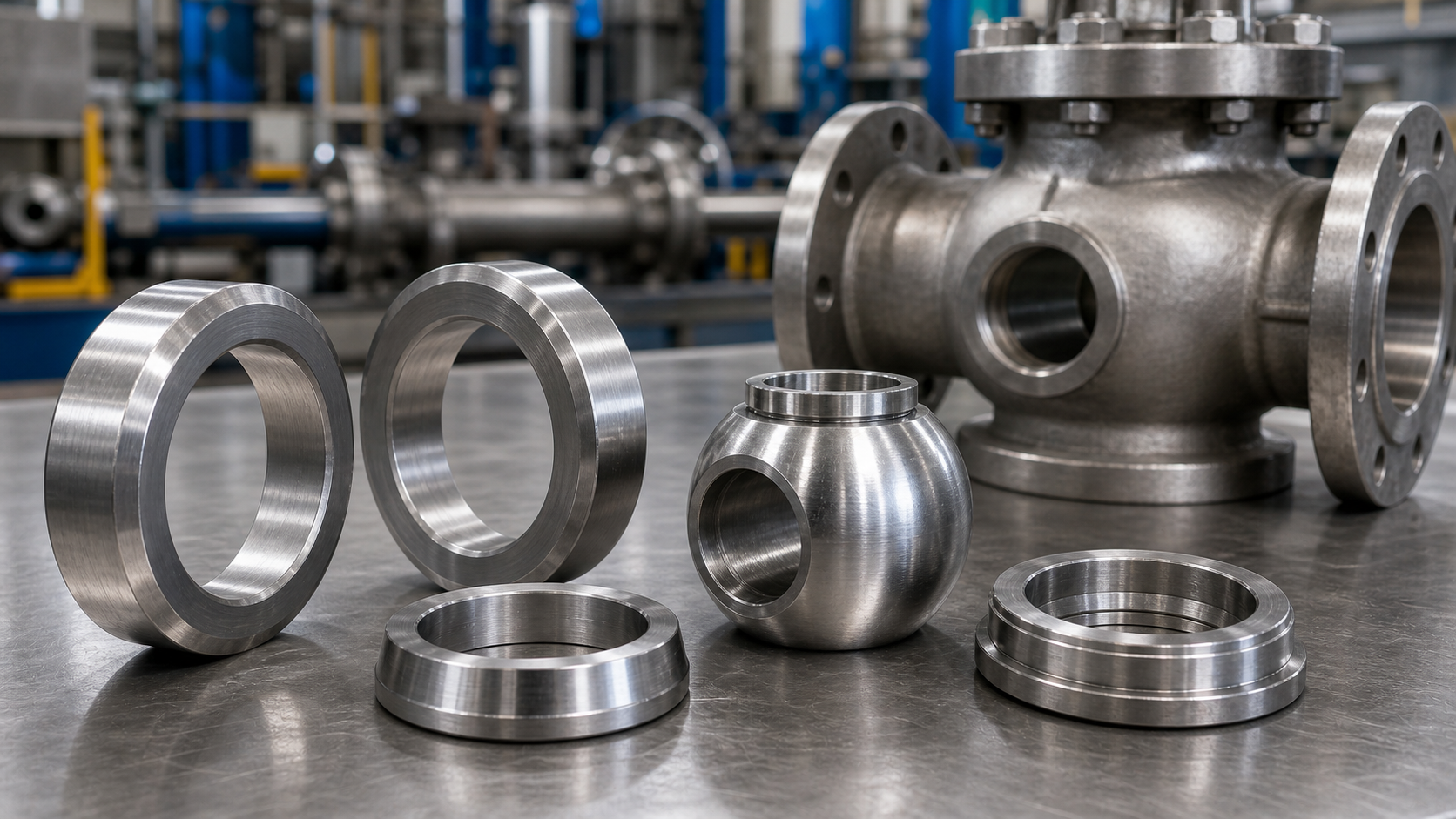
In oil and gas valves, the valve seat is often the small contact surface that decides whether the whole valve can still be trusted. The valve body may meet the pressure class, the actuator may stroke correctly, and the material certificate may look complete, but a damaged seating line can still turn the valve into a leakage problem.
This is why engineers specify Stellite 6 for many severe-service valve seats. They are not buying a cobalt alloy because it looks impressive on a data sheet. They are trying to slow down galling, abrasive scoring, erosion at the sealing band, and corrosion-wear before those mechanisms open a leak path.
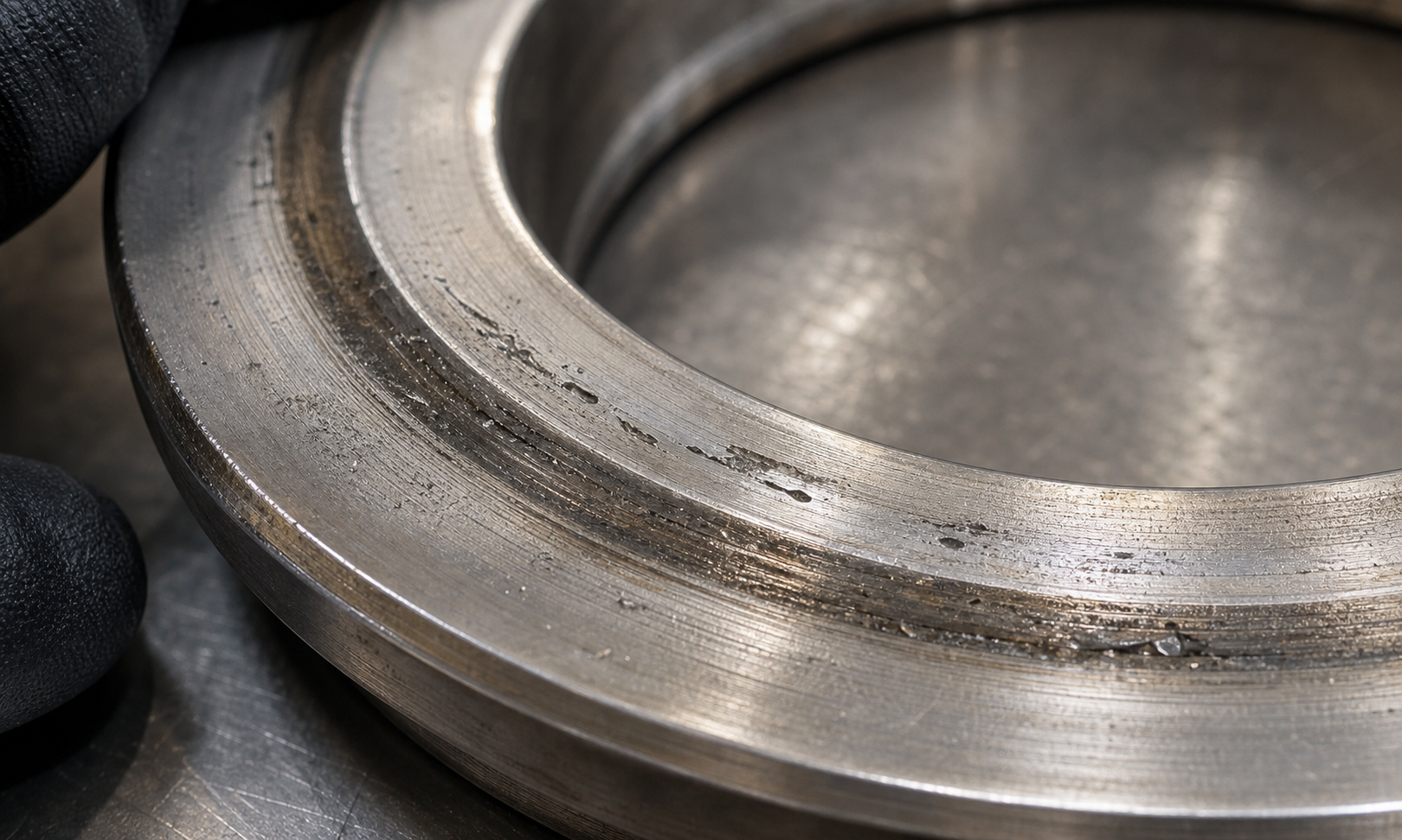
Failure Mechanisms Stellite 6 Is Asked to Control
Most seat failures in oil and gas service are mixed failures. Sand or scale cuts the contact band. Metal-to-metal movement causes adhesive pickup. High-velocity flow washes out the edge of the seat. Sour or corrosive media can weaken the surface film, then mechanical contact removes it again. Once a narrow scratch or torn patch forms, leakage and erosion often accelerate together.
A useful seat material therefore needs more than hardness. It must resist adhesive transfer, support the surface under contact stress, keep a stable profile after repeated cycling, and tolerate the actual media well enough for the project conditions.
Why Stainless Steel Seats Often Fall Short
Stainless steel seats can work well in clean, moderate service. They are economical, available, and easy to machine. Problems appear when the valve sees high contact pressure, dry sliding, throttling, abrasive solids, or repeated metal contact. In those conditions, stainless surfaces can score, smear, or gall, especially when the mating component is also stainless or when lubrication is poor.
The usual failure pattern is not dramatic at first. A small scratch becomes a preferred flow path. A galled area disturbs the contact pattern. A washed edge changes the seat geometry. The valve may still operate, but it no longer seals to the expected class.
How Stellite 6 Helps the Sealing Line Survive
Stellite 6 combines a cobalt-rich matrix with chromium and tungsten carbides. The carbide phase helps resist abrasive cutting and scoring. The cobalt matrix gives the surface better behavior under sliding contact and elevated temperature than many iron-based alloys. Chromium contributes to oxidation and many corrosion-wear conditions.
For a valve seat, the practical value is surface stability. A Stellite 6 seat face is less likely to pick up metal, tear, or lose its sealing profile quickly under mixed wear. It does not make the valve immune to bad operation, but it can extend the period before leakage becomes a maintenance issue.
Solid Seat, Overlay, or Hardfaced Surface?
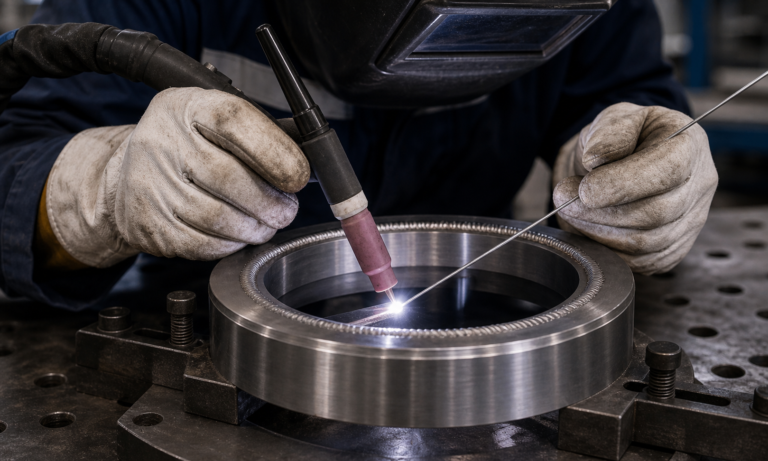
A solid Stellite 6 seat provides cobalt alloy properties through the section, but it is expensive and more difficult to machine. A Stellite 6 hardfaced seat places the wear-resistant alloy only where it is needed, usually over a steel or stainless base. This is common for oil and gas valves because the base metal carries structure while the overlay protects the sealing surface.
The hardfacing route only works when the process is controlled. Finished overlay thickness, dilution, cracking, porosity, final lapping, and inspection all matter. A poor Stellite 6 overlay can fail earlier than a well-made lower-cost seat.
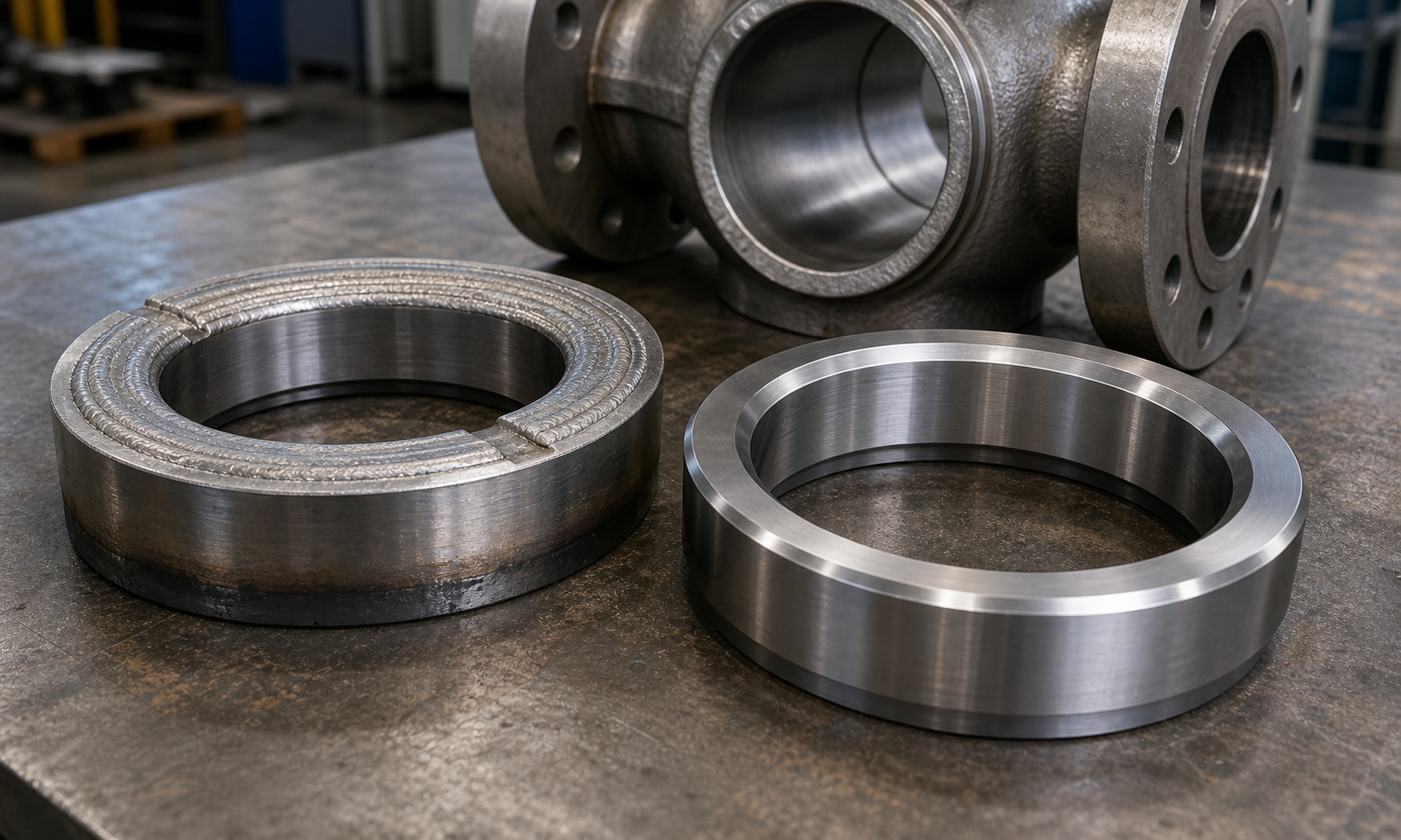
Where Stellite 6 Makes the Most Sense
Stellite 6 is commonly considered for metal-seated ball valves, gate valves, choke valves, control valves, plug valves, and severe-service trim where galling, erosion, and abrasion are credible risks. It is especially useful where the seat faces intermittent solids, pressure cycling, high contact stress, or elevated temperature.
It is also useful when the cost of leakage is high: shutdown, loss of isolation, repeated field repair, or unreliable control performance. In those cases, the material decision is usually driven by failure cost, not only part price.
Where Stellite 6 Is Not the Automatic Answer
Stellite 6 is not a universal corrosion alloy. Strong chemical attack, chloride-rich conditions, sour-service rules, and project specifications may point to another alloy or a different design. Very high-velocity erosive service may require geometry changes, trim redesign, or a harder grade rather than simply naming Stellite 6.
It is also not a cure for poor lapping, weak seat support, wrong contact width, excessive throttling in an unsuitable valve, or an overlay that is too thin after machining.
Procurement Checks Before Ordering
A purchase specification should define the base material, Stellite 6 form, hardfacing method, minimum finished overlay thickness, hardness range, inspection requirements, surface finish, and certificates. For critical valves, ask where hardness is measured, how dilution is controlled, whether PT is performed after machining, and how final sealing geometry is checked.
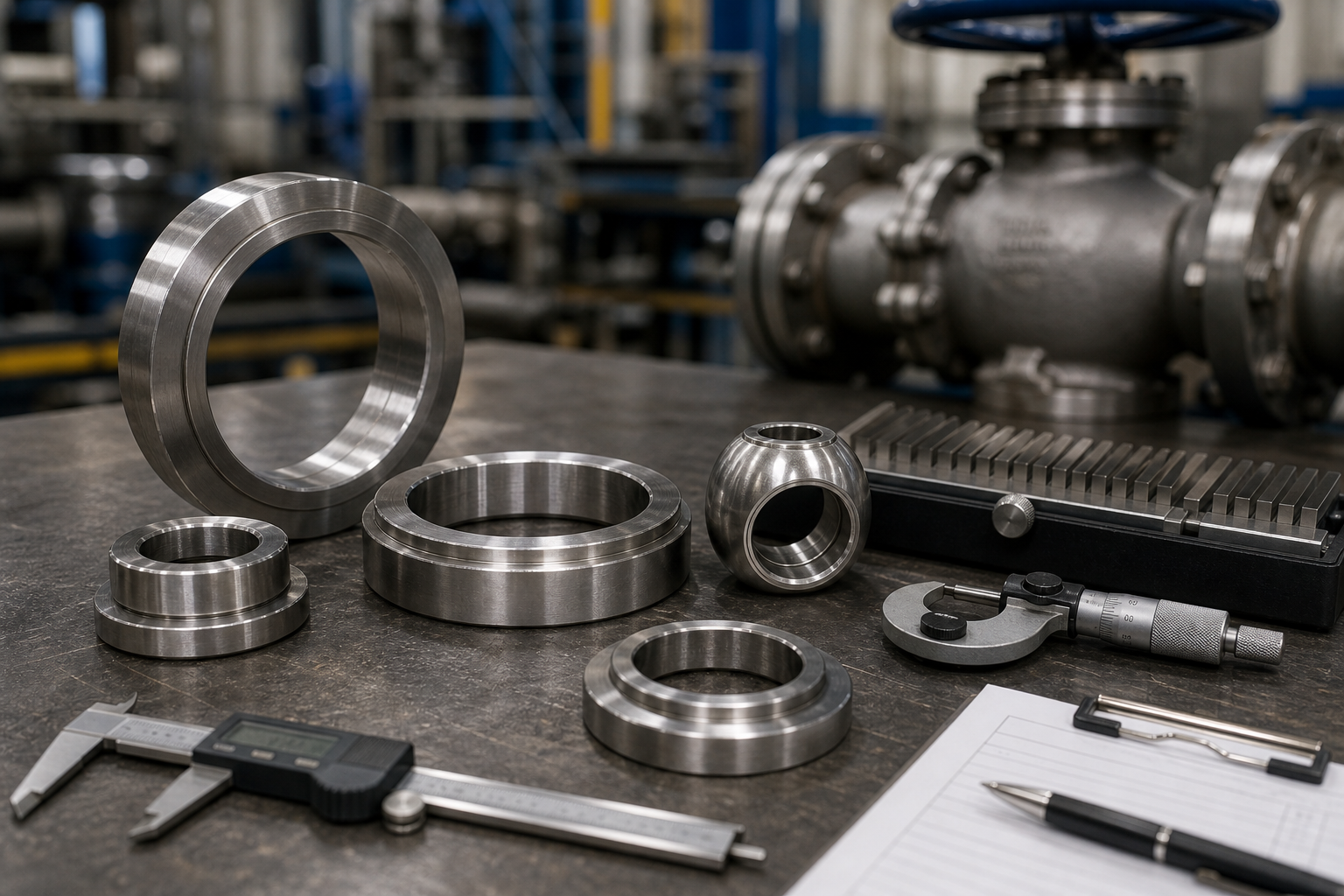
The best question is not whether the supplier can provide Stellite 6. The better question is whether the supplier can produce a Stellite 6 seat surface that survives the actual failure mechanisms in your valve.
FAQ
Is Stellite 6 always better than stainless steel?
No. Stellite 6 is usually selected when galling, sliding wear, erosion, or abrasion threaten the sealing surface. Clean, moderate, strongly corrosion-driven, or cost-sensitive services may justify another material.
What should buyers check before ordering?
Check base material, hardfacing method, finished wear-layer thickness, hardness range, inspection, surface finish, and traceability. The process quality is as important as the alloy name.