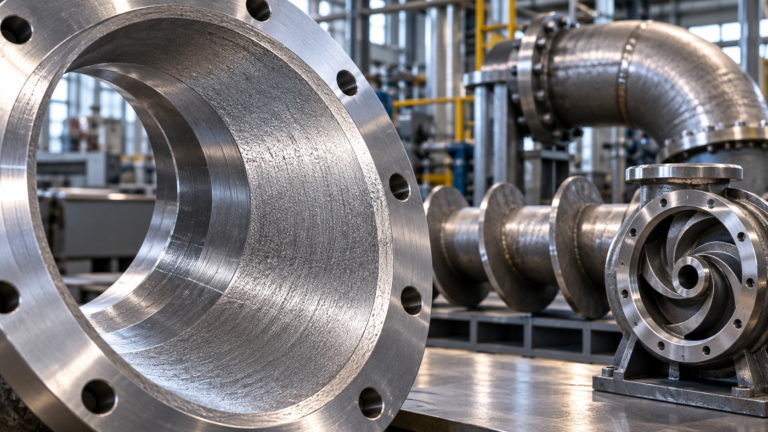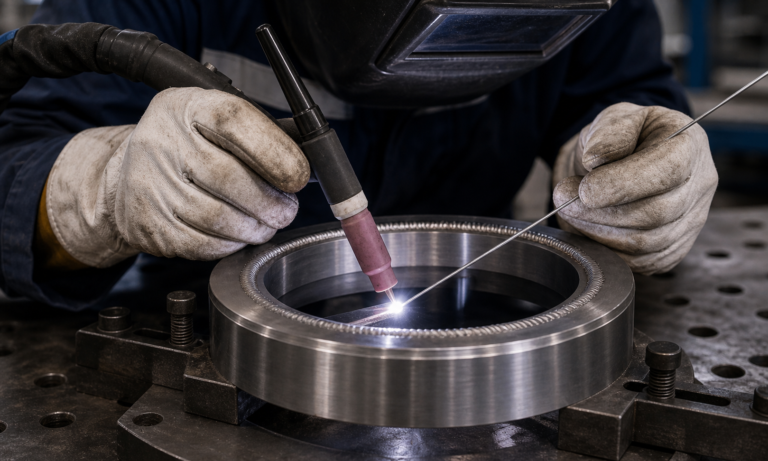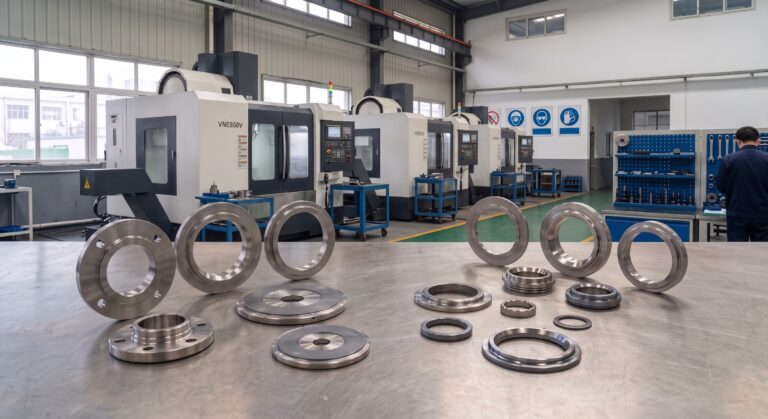

Struggling to choose the right Stellite alloy?
The number of grades can be confusing, and picking the wrong one leads to premature failure and costly downtime for your equipment.
There is no single “best” Stellite grade. The main grades like Stellite 1, 6, 12, and 21 are simply different material solutions for different problems. The right choice depends entirely on your specific working conditions and what is causing your components to fail.
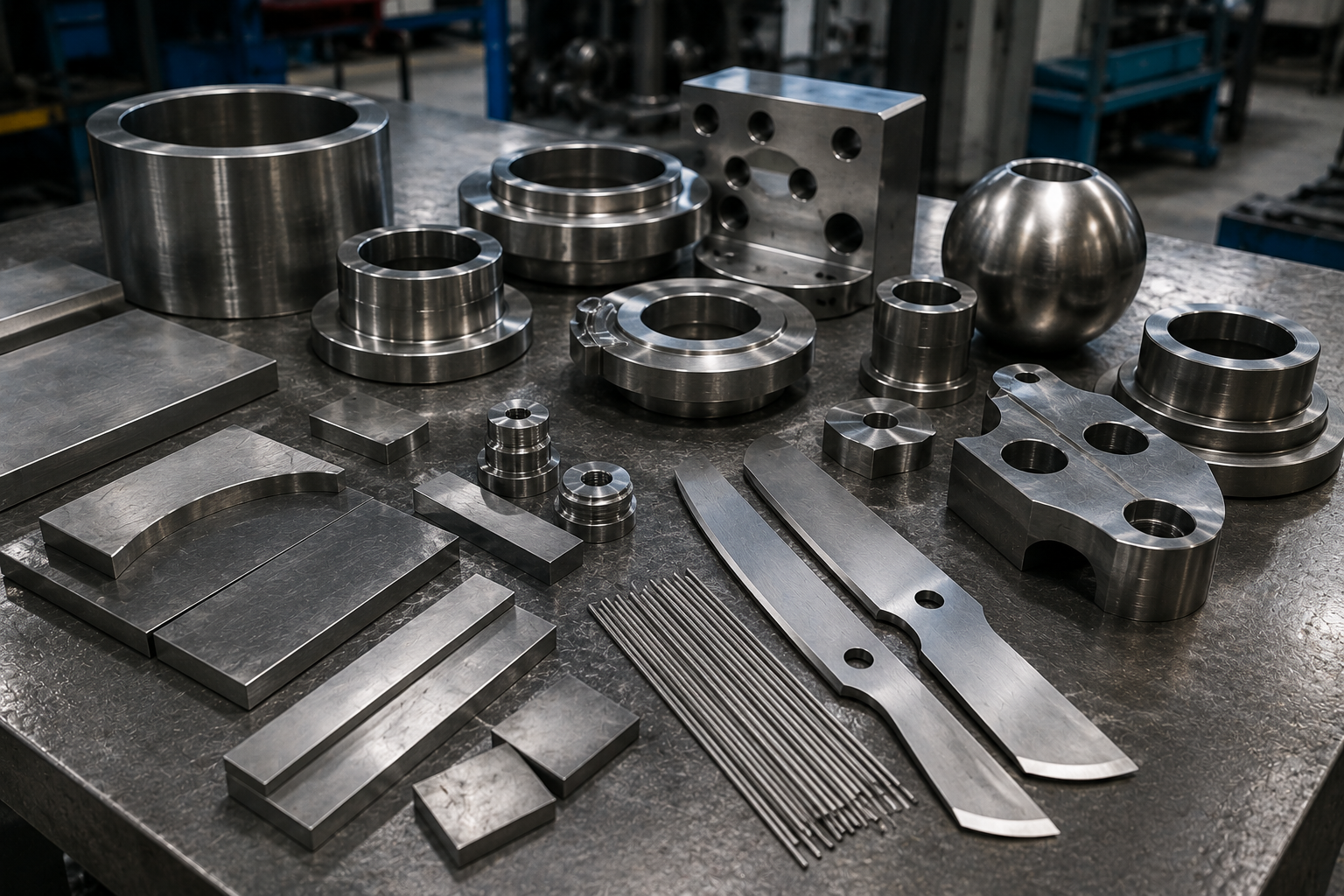
When I talk to procurement managers and engineers, a common question comes up: “Which Stellite is the best?” It’s a fair question, but it’s based on a small misunderstanding. Thinking one grade is superior to another is like asking if a hammer is better than a screwdriver. They are both excellent tools, but for completely different jobs. To help you select the right tool for your job, we need to break down why this variety exists and what each main grade is designed to do. Let’s dive into the details so you can make a more informed choice for your next project.
Why Are There So Many Stellite Alloy Grades?
Are you overwhelmed by the long list of Stellite grades? It can feel like a guessing game, where a wrong choice could risk poor performance and unexpected maintenance costs.
The reason there are so many Stellite alloy grades is that no single alloy can solve every industrial wear problem. Each grade is a unique recipe, carefully balancing hardness, toughness, and corrosion resistance by adjusting key elements to fight specific failure mechanisms.
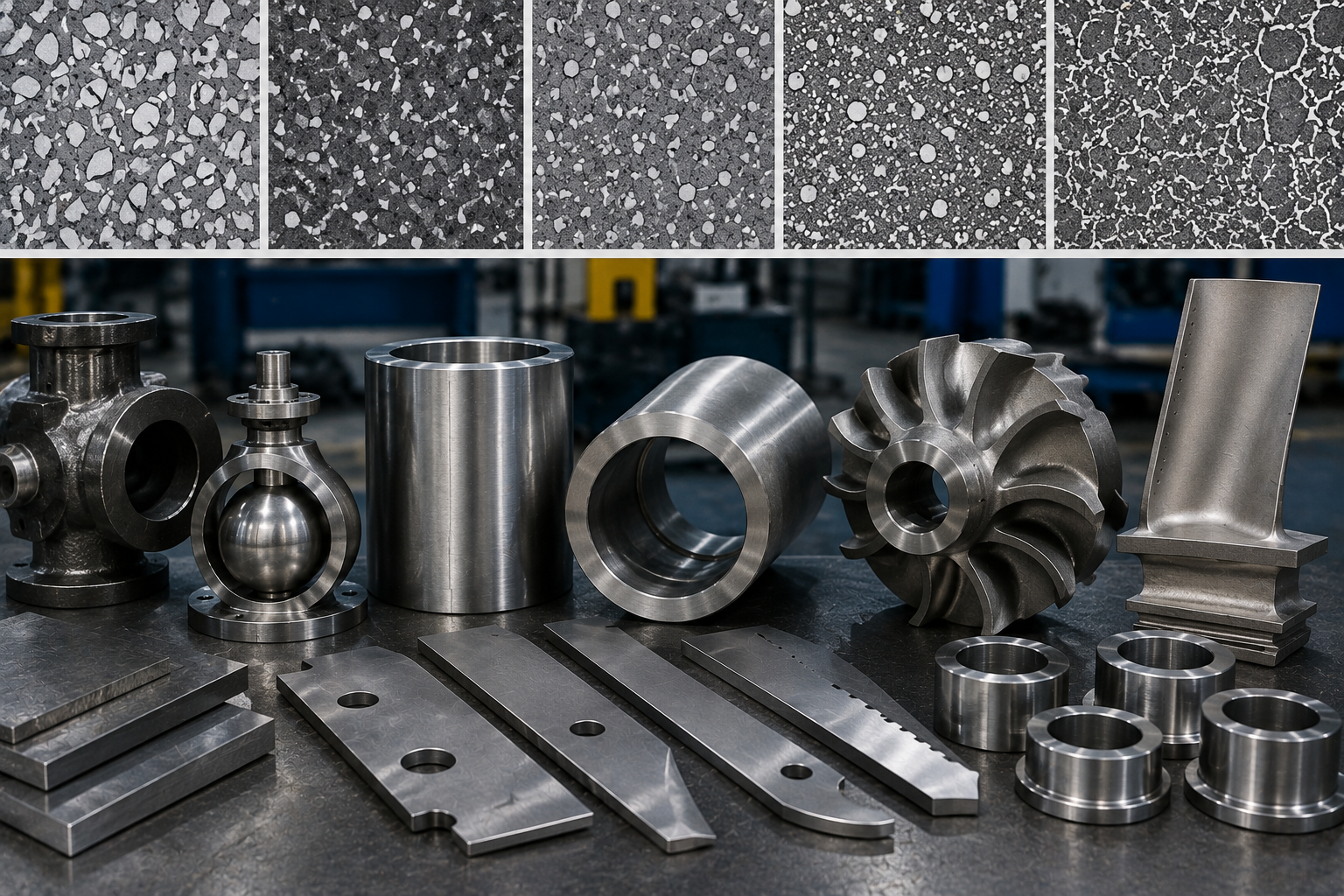
At their core, all Stellite alloys are part of a family of cobalt-chromium materials. Their magic comes from a special structure: very hard particles called carbides are embedded in a tougher, more flexible cobalt alloy matrix. Think of it like reinforced concrete, where the hard gravel (carbides) provides wear resistance, and the cement (cobalt matrix) holds it all together and provides strength.
The different grades are created by changing the “recipe” of the alloy. The main ingredients that get adjusted are carbon and tungsten.
- More Carbon & Tungsten: This creates more of those hard carbide particles. The result is an alloy with extremely high hardness and resistance to abrasive wear. Stellite 1 is a perfect example. However, this comes at a cost—the alloy becomes more brittle and less resistant to sudden impacts.
- Less Carbon & Tungsten: This results in fewer carbides. The alloy is less hard but significantly tougher, more ductile, and better at handling impact and thermal shock. Stellite 21 follows this principle.
| Alloy Element Change | Hardness & Abrasion Resistance | Toughness & Impact Resistance |
|---|---|---|
| Increase Carbon & Tungsten | Increases significantly | Decreases |
| Decrease Carbon & Tungsten | Decreases | Increases significantly |
This is why the variety exists. Each grade is a specific solution engineered for a specific set of problems.
Stellite 6: The Industry Standard Wear-Resistant Alloy?
Do you need a reliable, all-around wear solution for your application? Picking a highly specialized alloy might be overkill, while a general one might underperform. This is where Stellite 6 shines.
Yes, Stellite 6 is often called the industry standard because it offers an excellent and versatile balance of wear resistance, corrosion resistance, and good toughness, even at high temperatures. This makes it the most popular “all-purpose” grade for many applications.
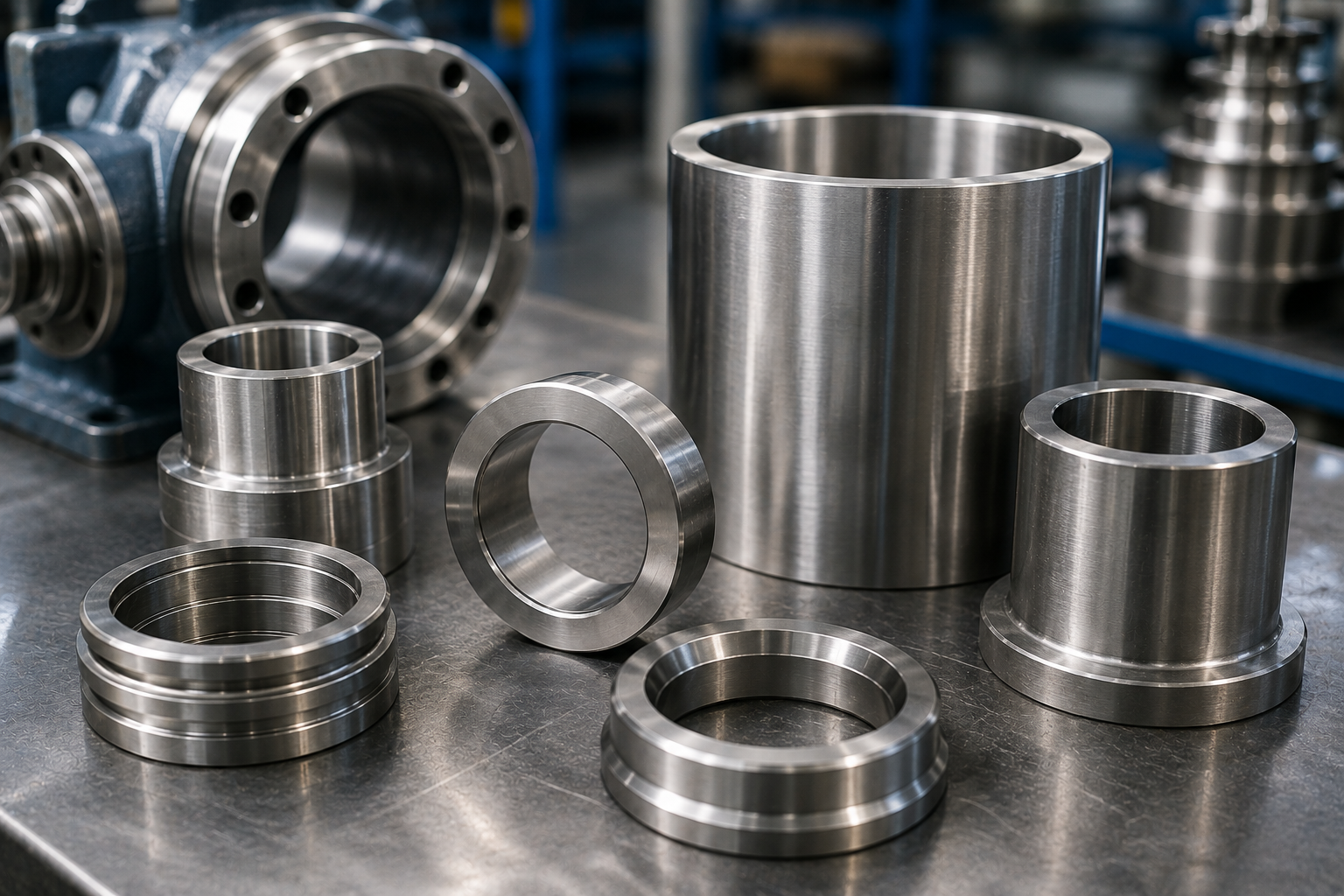
In my experience, about 60-70% of the inquiries I receive can be solved with Stellite 6. It has become the workhorse of the Stellite family for a good reason. It’s not the absolute hardest, nor is it the toughest. Instead, it occupies a sweet spot that makes it incredibly useful. Its primary strength is its outstanding resistance to galling, which is a type of wear caused when two metal surfaces slide against each other and seize up.
This balanced profile comes from its “medium” content of carbon and tungsten. It has enough carbides to resist abrasion and erosion but enough of the tough cobalt matrix to handle moderate impact and mechanical shock. It also has excellent corrosion resistance in many industrial environments. This combination makes it a safe and reliable choice for a huge range of applications.
| Property | Stellite 6 Performance | Common Applications |
|---|---|---|
| Galling Resistance | Excellent | Valve Seats, Pump Shaft Sleeves |
| Abrasion Resistance | Good | Bearings, Bushings |
| Corrosion Resistance | Good | Chemical Processing Equipment |
| High-Temp Hardness | Good | Engine Valves, Hot Shear Blades |
If you are facing a mix of wear, corrosion, and heat, and none of these conditions are extremely severe, Stellite 6 is almost always the right place to start.
Stellite 1 and Stellite 12: High-Hardness Grades for Severe Abrasion?
Are your standard components being destroyed by extreme abrasive wear? Constant replacement is expensive and leads to major production downtime, eating into your profits and creating logistical headaches.
Yes, Stellite 1 and Stellite 12 are the high-hardness solutions engineered for these harsh conditions. They contain much more carbon and tungsten than Stellite 6, creating a dense structure of hard carbides that excels at resisting severe grinding abrasion and erosion.
When a client tells me their parts are being worn down by sand, slurry, or other abrasive media, my first thoughts go to Stellite 1 and Stellite 12. These two grades are designed for one primary purpose: to survive intense abrasion.
Stellite 1 is the hardest of the common cobalt alloys. It has the highest concentration of carbides, making it the champion of abrasion resistance. However, this hardness makes it very brittle. It performs best in applications with pure abrasion and very little impact or mechanical shock. I’ve seen it work wonders on extruder screws for plastics mixed with hard fillers and on scraper blades in mining.
Stellite 12 is a step down in hardness from Stellite 1 but a significant step up in toughness. It’s a great compromise when you face severe abrasion but also have to deal with some light impact. Think of it as Stellite 1 with a bit more of a safety net. It’s often used for cutting tools that need to resist wear but can’t be so brittle that they chip easily.
| Grade | Hardness | Toughness (Impact Resistance) | Best For… |
|---|---|---|---|
| Stellite 1 | Highest | Low | Extreme sliding/grinding abrasion |
| Stellite 12 | Very High | Medium | Abrasion combined with light impact |
| Stellite 6 | Good | Good | General wear and galling |
If abrasion is your number one enemy, Stellite 1 or 12 is likely your solution. The choice between them comes down to how much impact your part needs to withstand.
Stellite 20: Severe Wear, Erosion, and Metal-to-Metal Sealing Applications
Are your valve components failing prematurely due to high-velocity steam or fluid erosion? This specific type of wear can quickly cut through even very hard materials, causing leaks and failures.
Stellite 20 is an excellent choice for severe erosion, cavitation, and metal-to-metal wear applications. Compared with Stellite 6, Stellite 20 offers higher hardness and improved resistance to high-velocity fluid erosion and surface damage caused by repeated sealing contact.
It is widely used for valve seats, valve balls, valve cages, and homogenizer valve components operating under high pressure and high-velocity flow conditions. In addition to power generation equipment, Stellite 20 is commonly found in oil & gas valves, flow-control systems, and high-pressure homogenizers where erosion-corrosion resistance is critical.
It’s important to understand the difference between abrasion and erosion. Abrasion is like rubbing a part with sandpaper. Erosion is like pressure-washing it with a high-speed jet of water, which may or may not contain abrasive particles. Stellite 20 was developed to fight the latter, especially the challenging conditions found in steam turbines and high-pressure steam valves.
Its chemistry is similar to the well-known Stellite 6, but with key adjustments, often including a higher chromium content. This fine-tuning of the alloy recipe changes the microstructure just enough to give it superior resistance to what we call “erosion-corrosion.” This is where the mechanical force of the fluid strips away the protective surface layer of the metal, allowing corrosion to attack the fresh metal underneath, which is then stripped away again in a vicious cycle.
Stellite 20 is very effective at stopping this. I often recommend it for critical valve trim components, valve seats, valve balls, and homogenizer valve assemblies operating in erosive and cavitating environments. These applications demand long-term sealing stability under continuous high-pressure flow.
Stellite 21: Corrosion and High-Temperature Service?
Are your components operating in a hot, corrosive environment where standard wear alloys break down? The combined attack of high heat and aggressive chemicals can cause rapid failure and costly shutdowns.
Yes, Stellite 21 is specifically engineered to excel in high-temperature and corrosive service. By reducing carbon and tungsten and adding molybdenum, it delivers excellent toughness, thermal shock resistance, and superior corrosion resistance compared to wear-focused grades like Stellite 6.
Stellite 21 is a different kind of beast compared to the high-hardness grades. Its design philosophy is not focused on resisting abrasion. Instead, it’s all about survival and toughness in extreme environments. It has a much lower carbon content, which means it has very few hard carbide particles. This makes it less hard, but in return, it gains tremendous toughness and ductility. It can withstand impacts and mechanical stresses that would shatter a harder grade.
The key ingredient in Stellite 21 is molybdenum. This element significantly boosts its resistance to pitting and crevice corrosion, which are common problems in chemical and marine environments. It also helps the alloy maintain its strength at very high temperatures. Because it’s so tough, it’s also highly resistant to thermal shock—cracking caused by rapid heating and cooling.
This makes it an ideal material for aerospace components like gas turbine parts, as well as equipment used in chemical processing plants and industrial furnaces. When a customer’s primary problem is corrosion, heat, and impact, not abrasion, Stellite 21 is one of the first materials I suggest.
Stellite 6B and 6K: Wrought Grades for Specialized Applications?
Do you need the properties of Stellite but in the form of a sheet, plate, or bar? Castings are great, but they aren’t suitable for every design or manufacturing process.
Stellite 6B and 6K are the answer. They are the “wrought” versions of the classic Stellite 6 alloy, meaning they are mechanically worked into forms like plates and bars, giving them superior ductility and toughness compared to their cast counterparts.
Most Stellite grades you encounter are castings—the molten alloy is poured into a mold to create a near-net-shape part. Wrought alloys, on the other hand, start as a large block (an ingot) and are then mechanically rolled or forged into final stock shapes like plates, bars, or sheets. This process refines the internal grain structure of the metal, making it tougher and more ductile.
Stellite 6B is the most common wrought grade. It is essentially Stellite 6 that has been hot-rolled into plate or sheet form. This makes it ideal for applications where you need to fabricate a wear-resistant component, such as lining a chute, creating a scraper blade from a flat bar, or manufacturing complex parts that are difficult to cast. It offers the same great corrosion and galling resistance as cast Stellite 6, but with added toughness.
Stellite 6K is a modified version of 6B. “K” stands for knife. It is processed to be harder than 6B, making it excellent for industrial knives and cutting blades that need to hold a sharp edge while resisting wear and corrosion.
| Grade | Form | Ductility | Typical Application |
|---|---|---|---|
| Cast Stellite 6 | Casting | Lower | Valve seats, Pump Sleeves (Complex Shapes) |
| Stellite 6B | Plate, Sheet, Bar | Higher | Rolled plate, Sheet, Bushings, Bearings, Wear Plates, Valve Components |
| Stellite 6K | Bar, Plate | Medium | Industrial knives, Cutting Edges |
When your design requires a flat or bar stock material with the proven performance of Stellite 6, these wrought grades are the perfect solution.
Other Specialized Stellite Alloy Grades?
What happens if your application is so unique that none of the standard grades seem to fit? You might feel stuck with a persistent wear problem that has no obvious solution.
Beyond the common grades, dozens of other specialized Stellite alloys exist. These include grades with unique chemistries for extreme corrosion, powdered metal versions for thermal spraying, and alloys designed for specific industries like nuclear power.
The Stellite family is vast. The grades we’ve discussed are the most common, but they are just the beginning. I often work with engineers who have highly specific challenges that require a less common grade. The point is not to memorize all of them, but to know that a solution probably exists.
- Stellite 3: Similar in hardness to Stellite 12, but with better corrosion resistance, making it suitable for certain chemical pump components.
- Stellite 4: Known for its excellent hot hardness, it has historically been used for intake and exhaust valves in heavy-duty diesel engines.
- Stellite 31: A high-temperature alloy known for its creep strength, making it a legacy material for gas turbine blades and vanes.
- Ultimet® Alloy: A modern cobalt-based alloy that offers the wear resistance of Stellite with the supreme corrosion resistance of a nickel alloy like Hastelloy.
- Tribaloy® Alloys: A separate family of cobalt-based alloys designed specifically for low-friction, metal-to-metal wear in environments where lubrication is impossible.
This is where partnering with a materials specialist like us at STECO becomes so valuable. Part of our job is to navigate this complex landscape and find the one alloy, common or not, that is the perfect economic and technical fit for your application.
How to Select the Right Stellite Grade for Your Working Conditions?
With all this information, how do you finally make the right choice? The fear of selecting the wrong, expensive material is real and can lead to analysis paralysis.
To select the right Stellite grade, start by identifying the primary way your current part is failing. Then, match that specific problem to the grade designed to solve it. This systematic approach removes the guesswork.
Choosing the correct Stellite alloy doesn’t have to be a gamble. I guide my clients through a simple, logical process. It breaks down into three steps.
Step 1: Identify the Primary Failure Mode
- Abrasion: Is it scratched, grooved, or worn smooth by a grinding action?
- Erosion: Is it pitted or washed away by high-velocity fluid or particles?
- Corrosion: Is it rusted, pitted, or chemically eaten away?
- Galling: Is it torn or seized from metal-to-metal contact?
- Impact: Is it cracked, chipped, or fractured from a sudden blow?
- High Temperature: Did it deform, sag, or lose its hardness due to heat?
Step 2: Consider All Operating Conditions
What other factors are at play? Often, more than one wear mechanism is present. Note the temperature, the presence of corrosive chemicals, and whether the part needs to be a specific shape, such as casting versus plate.
Step 3: Match the Problem to the Solution
| Primary Failure Mode(s) | Recommended Grade(s) | Reason |
|---|---|---|
| Severe Abrasion (low impact) | Stellite 1 | Highest hardness for grinding wear |
| Abrasion + some Impact | Stellite 12 | High hardness with better toughness |
| Galling, General Wear, Corrosion | Stellite 6 | The best all-around performer; a safe bet |
| High-Pressure Fluid Erosion | Stellite 20 | Optimized for erosion-corrosion resistance |
| High Temp + Corrosion + Impact | Stellite 21 | Excellent toughness and chemical resistance |
| Need a Wear Plate or Bar | Stellite 6B | Wrought form of Stellite 6 with high ductility |
This framework will guide you to a very strong candidate. For critical applications, always consult with a material supplier to confirm your choice.
Conclusion
Choosing the right Stellite grade is not about finding the “best” one. It’s about understanding your specific failure and matching it with the correct material solution for longer component life.