
Stellite 6 is rarely chosen because a datasheet looks interesting. In most industrial projects, it enters the conversation after a part has already failed: a valve seat has galled, a pump sleeve has scored, a bushing has worn oval, or a hot scraper blade has lost its edge sooner than expected.
That is why the chemical composition and mechanical properties of Stellite 6 should not be read as isolated numbers. They should be read as clues to how the alloy behaves under sliding contact, abrasive particles, heat, corrosion, and poor lubrication. A cobalt-based matrix gives the alloy stability. Chromium improves oxidation and corrosion resistance while helping form hard carbides. Tungsten supports hot hardness. Carbon controls the carbide network that carries much of the wear load.
For buyers and engineers, the practical question is simple: does Stellite 6 match the failure mechanism of the part? If the damage is mixed wear, such as galling plus erosion, or hot sliding plus oxidation, Stellite 6 is often a strong candidate. If the failure is heavy impact, extreme chemical corrosion, or pure low-stress abrasion, another material or a different process may be a better choice.
What Is Stellite 6?
Stellite 6 is a cobalt-chromium wear-resistant alloy used for parts that must survive sliding wear, galling, erosion, corrosion-assisted wear, and elevated temperature exposure. It is one of the most widely used grades in the Stellite family because it offers a useful middle ground: harder and more wear-resistant than many stainless steels, but less brittle and more broadly usable than some higher-carbide cobalt alloys.
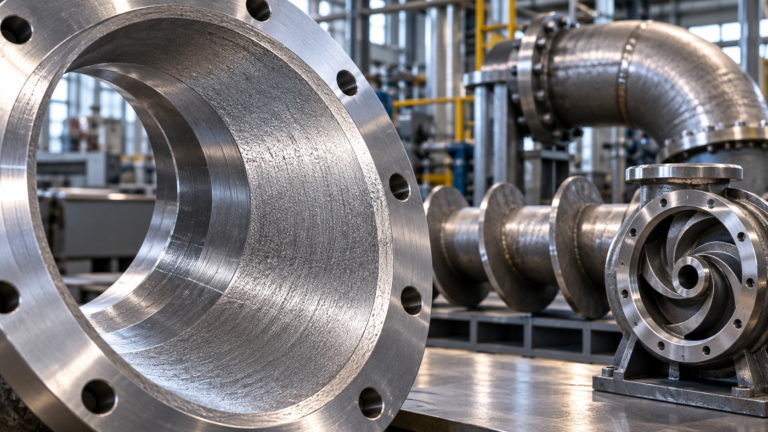
The alloy works because of its structure. The cobalt-rich matrix supports the working surface and remains stable when heat is present. Within that matrix, chromium-rich and tungsten-containing carbides resist cutting, plowing, and metal pickup. This combination is the reason Stellite 6 is common in valve seats, pump sleeves, bushings, bearings, cutting tools, hot shear blades, extrusion dies, scraper blades, and hardfaced sealing surfaces.
It should not be treated as a general structural alloy. Stellite 6 is selected for surface survival. It performs best when the component design gives the wear layer enough support and the manufacturing process controls dilution, cracking, porosity, and final hardness.
Typical Stellite 6 Chemical Composition
Exact composition can vary by standard, product form, and supplier, but the typical chemistry is usually close to the following ranges.
| Element | Typical Range | Practical Role |
|---|---|---|
| Cobalt (Co) | Balance | Base matrix; supports carbides and maintains stability at temperature |
| Chromium (Cr) | 27–32% | Corrosion and oxidation resistance; forms chromium carbides |
| Tungsten (W) | 4–6% | Improves hot hardness, matrix strength, and wear support |
| Carbon (C) | 1.0–1.4% | Controls carbide volume and strongly affects abrasion resistance |
| Nickel (Ni) | Usually limited | Can influence matrix behavior and corrosion response |
| Iron (Fe) | Usually limited | Often controlled as residual content or weld dilution |
| Silicon (Si) | Usually limited | Supports deoxidation and casting or welding behavior |
| Manganese (Mn) | Usually limited | Processing and deoxidation support |
| Molybdenum (Mo) | May be present in some variants | Can contribute to strength and corrosion behavior |
This table is useful for grade identification, but it is not a guarantee of service life. Two parts can both meet a Stellite 6 chemistry range and still perform differently. A cast part, a welded overlay, a PTA deposit, and a laser-clad surface can have different dilution levels, cooling rates, carbide distribution, residual stress, porosity, and crack sensitivity.
For this reason, procurement should not stop at “Stellite 6.” A useful purchase specification should also define the product form, manufacturing route, hardness range, inspection requirements, final surface condition, and any acceptance limits for cracks, porosity, or dilution.
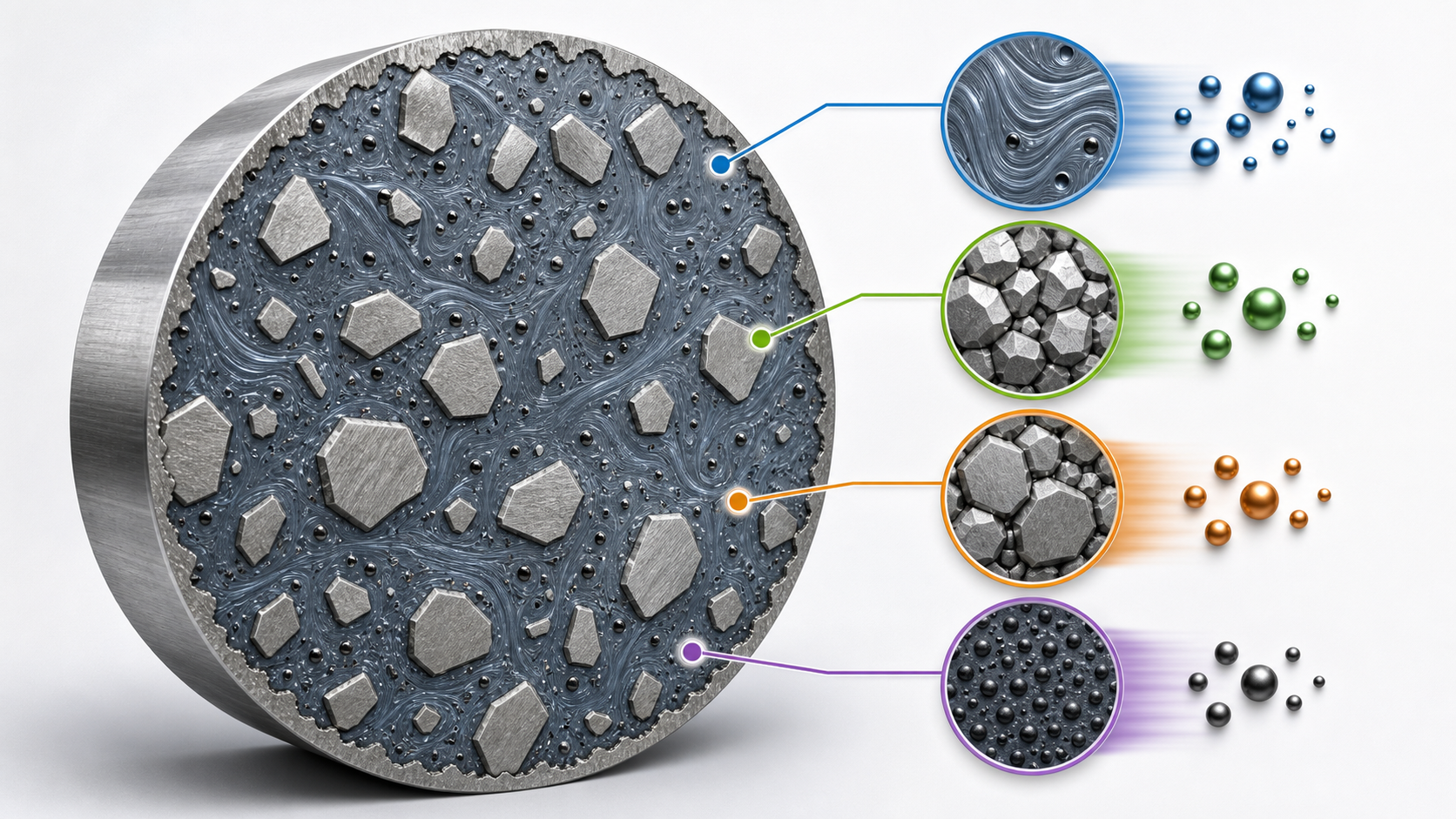
What Each Main Element Does
Cobalt: The Stable Matrix
Cobalt forms the base of Stellite 6. Its main value is stability under heat and sliding contact. In applications where steels soften or lose surface strength, the cobalt matrix helps support the carbide structure and maintain wear resistance. This is important for hot valve trim, hot-dip galvanizing equipment, thermal processing parts, and other components where wear and heat arrive together.
Chromium: Corrosion Resistance and Carbide Formation
Chromium has two jobs. It helps form a passive surface film that improves corrosion and oxidation resistance, and it combines with carbon to form hard chromium carbides. That dual role is one reason Stellite 6 works well in corrosion-wear conditions, where chemical attack and mechanical removal happen at the same time.
Tungsten: Hot Hardness and Surface Support
Tungsten strengthens the matrix and contributes to hard carbide phases. Its value becomes clearer at elevated temperature. A material may look acceptable in a room-temperature hardness test but fail quickly if the surface softens in service. Tungsten helps Stellite 6 retain useful surface strength when heat is part of the wear system.
Carbon: The Carbide Controller
Carbon is a small part of the chemistry, but it has a large effect on wear behavior. More carbide can improve abrasion resistance, but it can also reduce ductility and increase crack sensitivity. This is why Stellite 6 should be supported by good part design and controlled processing, especially in hardfacing and cladding work.
Minor Elements and Dilution
Nickel, iron, silicon, manganese, and molybdenum may look secondary on a composition sheet, but they still matter. In welded overlays, iron dilution from the base metal is especially important. Too much dilution can reduce the cobalt alloy content at the working surface and weaken the reason Stellite 6 was selected in the first place.
Typical Mechanical Properties of Stellite 6
Mechanical properties should be treated as typical expectations, not universal promises. Castings, welding rods, PTA powders, laser-clad deposits, and machined bars can show different results because their microstructures are not identical.
| Property | Typical Expectation | What It Means in Service |
|---|---|---|
| Hardness | Often around 38–45 HRC | Helps resist scratching, indentation, metal pickup, and profile loss |
| Tensile Strength | High for a wear alloy | Supports loaded surfaces but does not make the alloy ductile |
| Yield Strength | Process-dependent | Useful mainly for solid parts and design review |
| Elongation | Low compared with steels | Impact, bending, and poor support require caution |
| Density | Higher than many steels | Relevant for rotating parts and weight-sensitive assemblies |
| Hot Hardness | Strong retention compared with many steels | Important for hot sliding, hot erosion, and thermal cycling |
| Impact Behavior | Moderate and structure-dependent | Better than very brittle hard materials, but not ideal for severe impact |
The most common mistake is choosing Stellite 6 by hardness alone. Hardness matters, but it does not describe the full failure path. A valve seat may fail from galling and throttling erosion. A pump sleeve may fail from slurry abrasion plus corrosion. A hot scraper may fail because oxidation and softening accelerate wear. In these cases, the useful property is the combination of hardness, anti-galling behavior, corrosion resistance, and hot strength.
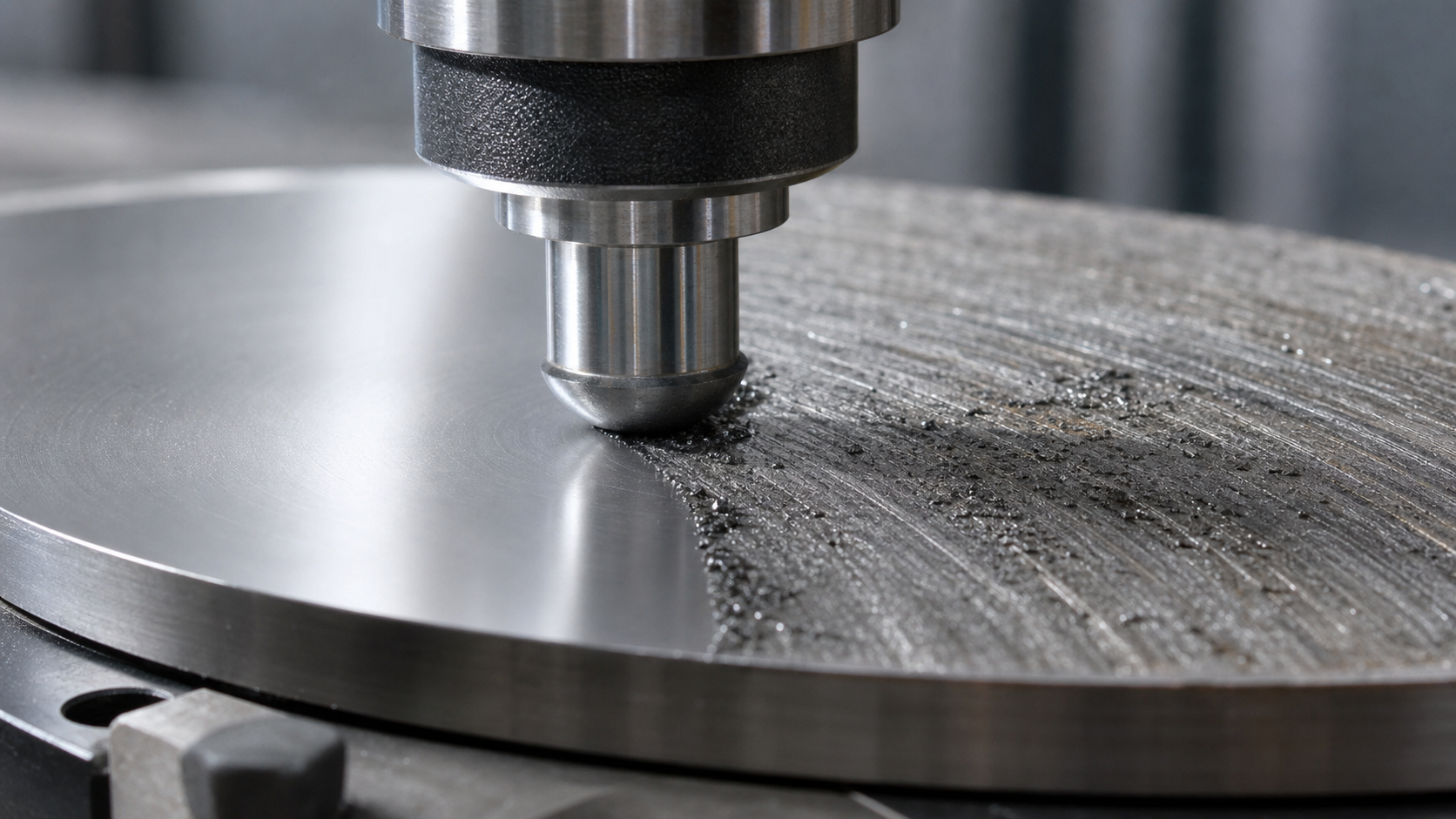
Why Stellite 6 Resists Wear
Stellite 6 resists wear because the matrix and carbides share the load. The carbides resist cutting and plowing. The cobalt matrix supports those carbides and helps the surface tolerate heat and mechanical stress.
In abrasive wear, hard particles try to cut grooves into the surface. The carbide network slows penetration and material removal. In galling, two metal surfaces locally weld and tear under sliding pressure. Stellite 6 reduces metal pickup compared with many stainless steels. In erosion, high-velocity fluid or solid particles repeatedly strike the surface. A hard, supported Stellite 6 surface resists washout better than softer alloys. In corrosion-assisted wear, chromium helps slow chemical attack while the wear-resistant structure reduces mechanical removal.
This is why Stellite 6 is widely used in valves and pumps. These parts rarely experience clean, single-mode damage. They see contact pressure, sliding, fluid velocity, occasional dry running, abrasive particles, heat, and sometimes chemical attack at the same time.
High-Temperature Performance
High temperature changes the rules of wear. A material can soften, oxidize, lose surface strength, or suffer thermal fatigue. Lubrication can become unreliable, and clearances can change. Stellite 6 is useful because it retains meaningful hardness and surface strength at temperatures where many steels lose wear resistance.
The chromium content also helps resist oxidation. This does not make Stellite 6 immune to every hot corrosion condition, but it does make the alloy suitable for many hot sliding and hot erosion applications.
Typical examples include hot valve components, exhaust-related parts, hot-dip galvanizing line hardware, hot shear blades, and thermal processing wear surfaces. In these applications, room-temperature hardness is less important than how the material behaves after many hot cycles.
Corrosion Resistance and Its Limits
Stellite 6 has good corrosion and oxidation resistance for many industrial environments because of its chromium content. It is useful where wear and corrosion combine, such as process valves, pump components, food and chemical equipment, marine-related parts, and some slurry systems.
However, it is not a universal corrosion alloy. Strong acids, aggressive chlorides, molten salts, or unusual chemical combinations may require a more detailed compatibility review. In some services, a nickel-based alloy may be better for corrosion alone. In other services, a harder cobalt grade or carbide-based solution may be better for abrasion alone.
Stellite 6 earns its place when the part needs a balanced response to several damage modes at once.
Common Product Forms
The form of Stellite 6 matters because the manufacturing route affects microstructure, hardness, dilution, residual stress, cracking risk, machining allowance, and final cost.
- Castings are used for complex wear parts where a solid cobalt alloy component is required.
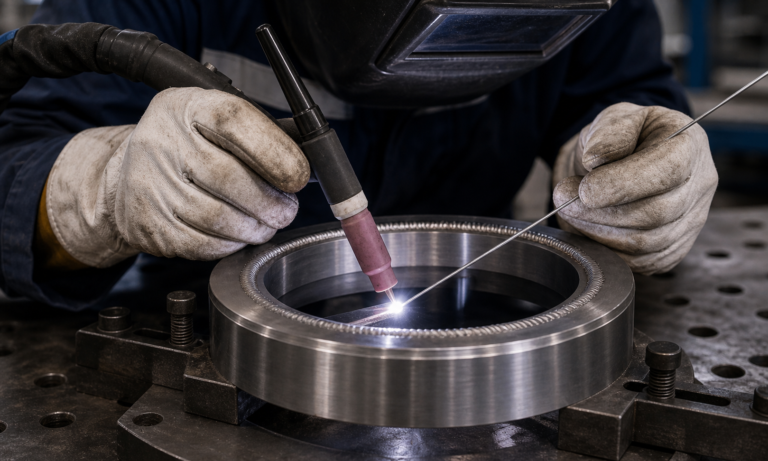
- Welding rods and hardfacing consumables are used to rebuild or protect valve seats, sealing faces, shafts, and wear surfaces.
- PTA powder is used when a dense, controlled overlay is needed with lower dilution than many manual welding methods.
- Laser cladding powder is useful for precise deposits, local repair, and lower heat input.
- Hardfacing wire can improve productivity in overlay work when equipment and geometry allow it.
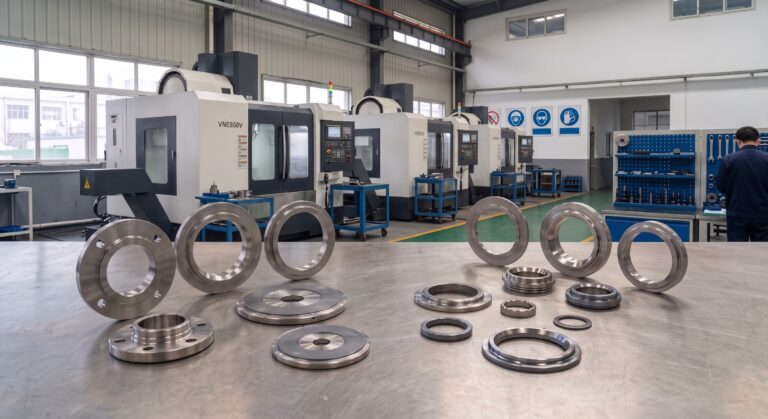
- Bars and plates are used for machined wear components, although machining usually requires carbide tooling, grinding, or EDM.
For hardfacing, the final surface should be specified carefully. An as-deposited overlay, a ground sealing face, and a machined component may all be called Stellite 6, but they may not perform the same way.
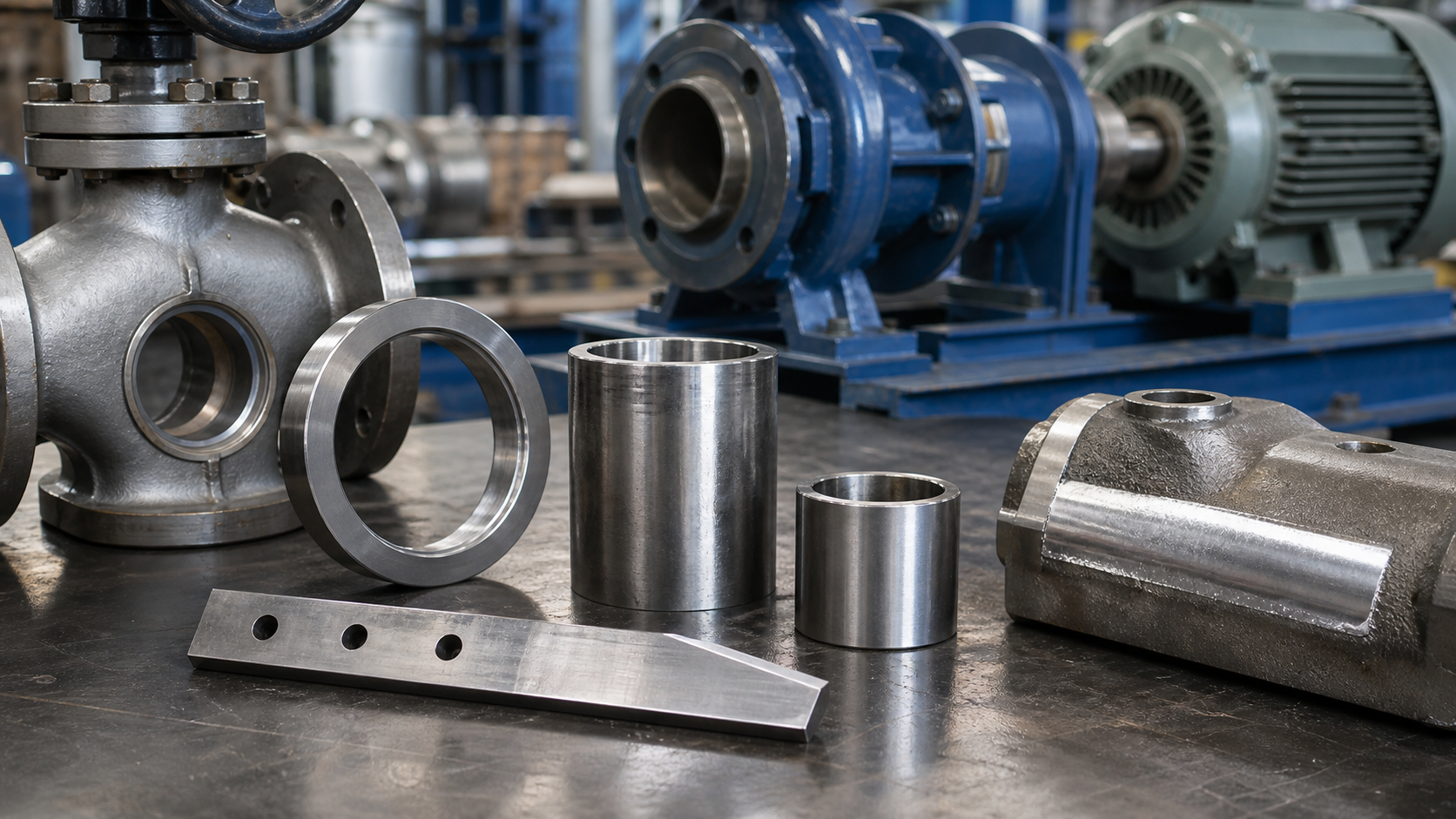
Typical Applications
Stellite 6 is most valuable where the part is expensive to replace, difficult to access, or critical to sealing, flow control, or dimensional stability.
- Valve seats, balls, plugs, gates, and sealing faces exposed to galling, throttling flow, erosion, and corrosion-wear.
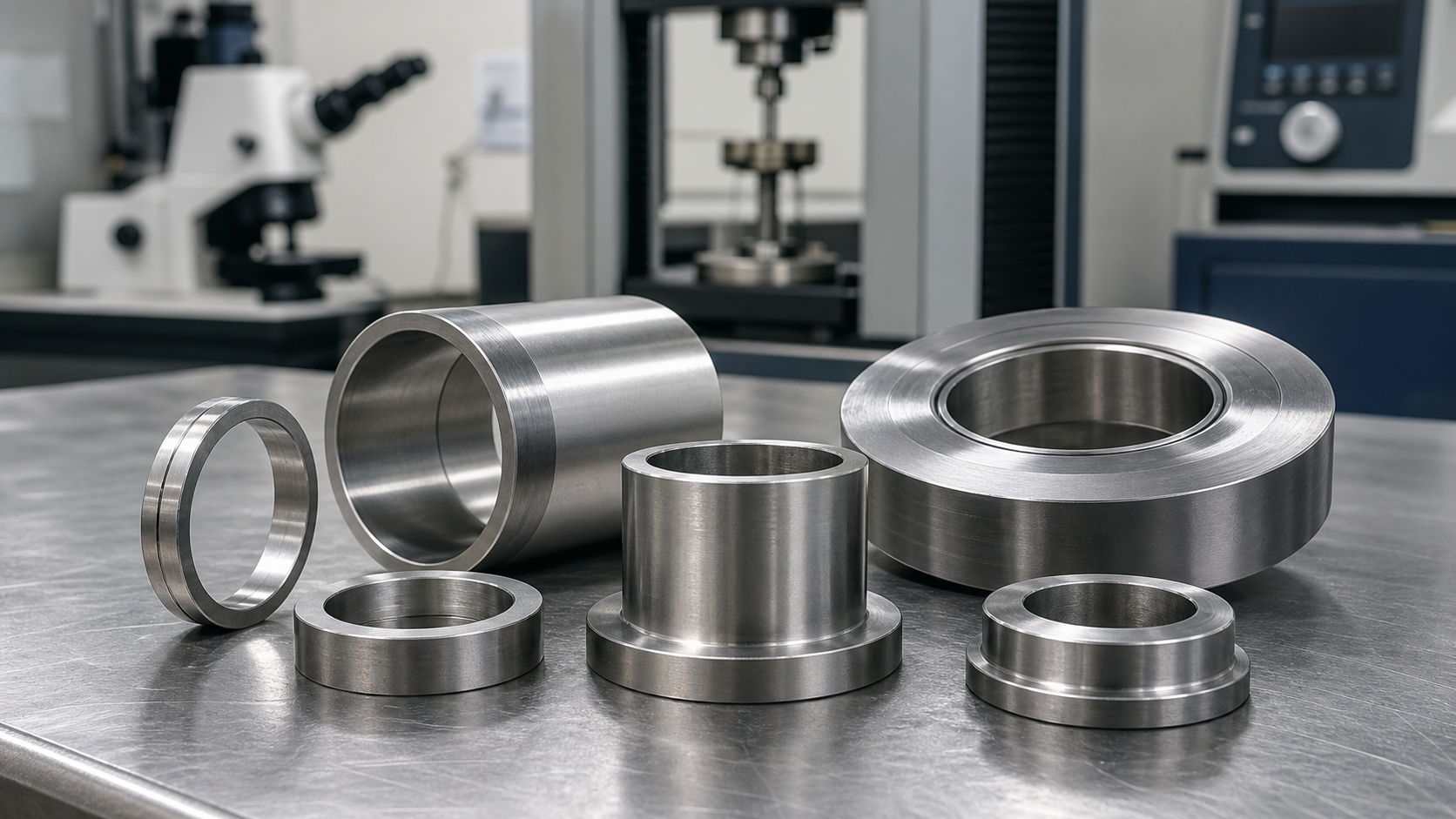
- Pump sleeves, shafts, bushings, and bearings exposed to scoring, slurry, poor lubrication, or chemical attack.
- Cutting tools, saw tips, hot shear blades, and scraper blades that need edge retention under heat or abrasive contact.
- Extrusion dies, screws, mixer blades, and wear plates exposed to filled polymers, metal flow, or abrasive process media.
- Hot-dip galvanizing line bearings, guides, and scrapers exposed to heat, molten zinc, and sliding wear.
In each application, the selection should start with the failed surface. Grooves point toward abrasion or erosion. Torn metal and transfer marks point toward galling. Damage concentrated in hot zones points toward hot hardness and oxidation problems. Corrosion products mixed with wear scars suggest corrosion-assisted wear.
Stellite 6 Compared With Other Materials
| Material | Where It May Be Better | Where Stellite 6 Often Has the Advantage |
|---|---|---|
| Stellite 1 | Extreme abrasion with low impact | Better toughness and broader usability |
| Stellite 12 | Higher wear resistance than Stellite 6 | Better balance where galling, corrosion, and toughness also matter |
| Stainless Steel | Lower cost, easier machining, general corrosion resistance | Much better galling and wear resistance under severe contact |
| Nickel-Based Alloy | Some chemical corrosion and high-temperature corrosion environments | Better sliding wear and anti-galling behavior in many mechanical contacts |
| Carbide | Very high abrasion resistance | Better impact tolerance and easier use on large or complex surfaces |
The trade-off is straightforward. More carbide can improve abrasion resistance, but it can also reduce toughness and increase processing difficulty. Stellite 6 sits in the middle. It is not the most extreme wear alloy, but it is often a reliable starting point when several damage mechanisms are present.
How to Specify Stellite 6
A practical Stellite 6 specification should include more than the grade name. For buying or engineering review, define:
- Grade or equivalent standard.
- Product form, such as casting, rod, powder, wire, bar, or finished component.
- Process route, such as casting, hardfacing, PTA welding, laser cladding, or machining from solid material.
- Required hardness range and test method.
- Dimensions, tolerances, and final surface finish.
- Base metal and dilution limits for overlays, if relevant.
- Inspection requirements, such as chemical composition report, hardness report, NDT, visual inspection, or machining record.
- Acceptance criteria for cracks, porosity, lack of fusion, or surface defects.
This level of detail helps prevent a common purchasing problem: receiving a material that is chemically correct but not suitable for the actual working surface.
FAQ
Is Stellite 6 magnetic?
Stellite 6 is cobalt-based and may show some magnetic response depending on composition and processing condition. It should not be accepted or rejected based only on a simple magnet test.
Is Stellite 6 easy to machine?
No. Stellite 6 is difficult to machine because it is hard, wear-resistant, and demanding at the cutting edge. Grinding, EDM, carbide tooling, or controlled machining procedures are often required.
What is the typical hardness of Stellite 6?
Many Stellite 6 products are around 38–45 HRC, but actual hardness depends on casting, welding, powder process, dilution, cooling rate, and finishing. A purchase order should specify the required hardness range and test method.
Is Stellite 6 corrosion resistant?
Yes, Stellite 6 has good corrosion and oxidation resistance for many industrial environments, mainly because of its chromium content. It is not suitable for every chemical condition, so media, concentration, temperature, and wear mode should be reviewed.
Is Stellite 6 good for valve seats?
Yes. Valve seats are one of the classic applications because Stellite 6 resists galling, erosion, corrosion-wear, and hot sealing damage better than many stainless steels.
What is the difference between Stellite 6 and Stellite 12?
Stellite 12 is generally harder and more abrasion-resistant. Stellite 6 usually offers a more balanced combination of wear resistance, corrosion resistance, toughness, and manufacturability. The better choice depends on whether the main problem is pure abrasion or mixed wear.
Conclusion
Stellite 6 is not just a chemistry range or a hardness value. Its value comes from the way cobalt, chromium, tungsten, and carbon create a stable matrix reinforced by hard carbides. That structure gives the alloy a practical balance of wear resistance, anti-galling behavior, corrosion resistance, and hot hardness.
For engineering and procurement decisions, the best approach is to connect the alloy to the failure mechanism. If the part is failing from sliding contact, abrasion, erosion, heat, or corrosion-assisted wear, Stellite 6 is often a strong candidate. If the part is failing from severe impact, poor support, extreme corrosion, or process-related cracking, the design and manufacturing route need closer review before the grade is finalized.