
Seal Ring Failure Usually Starts at the Surface
A seal ring does not need to lose much material before it becomes a maintenance problem. One shallow score, one galled patch, or one rough contact band can create a leak path. In oil and gas equipment, that path may lead to pressure loss, unstable operation, repeated part replacement, or unplanned downtime.
Stellite 6 improves seal ring performance by protecting the working surface. The value is not simply that the material is harder than many steels. The value is that the contact surface stays smoother and more stable under abrasion, sliding contact, micro-movement, pressure cycling, and many corrosion-wear conditions.
Why Scoring and Galling Become Leakage Paths
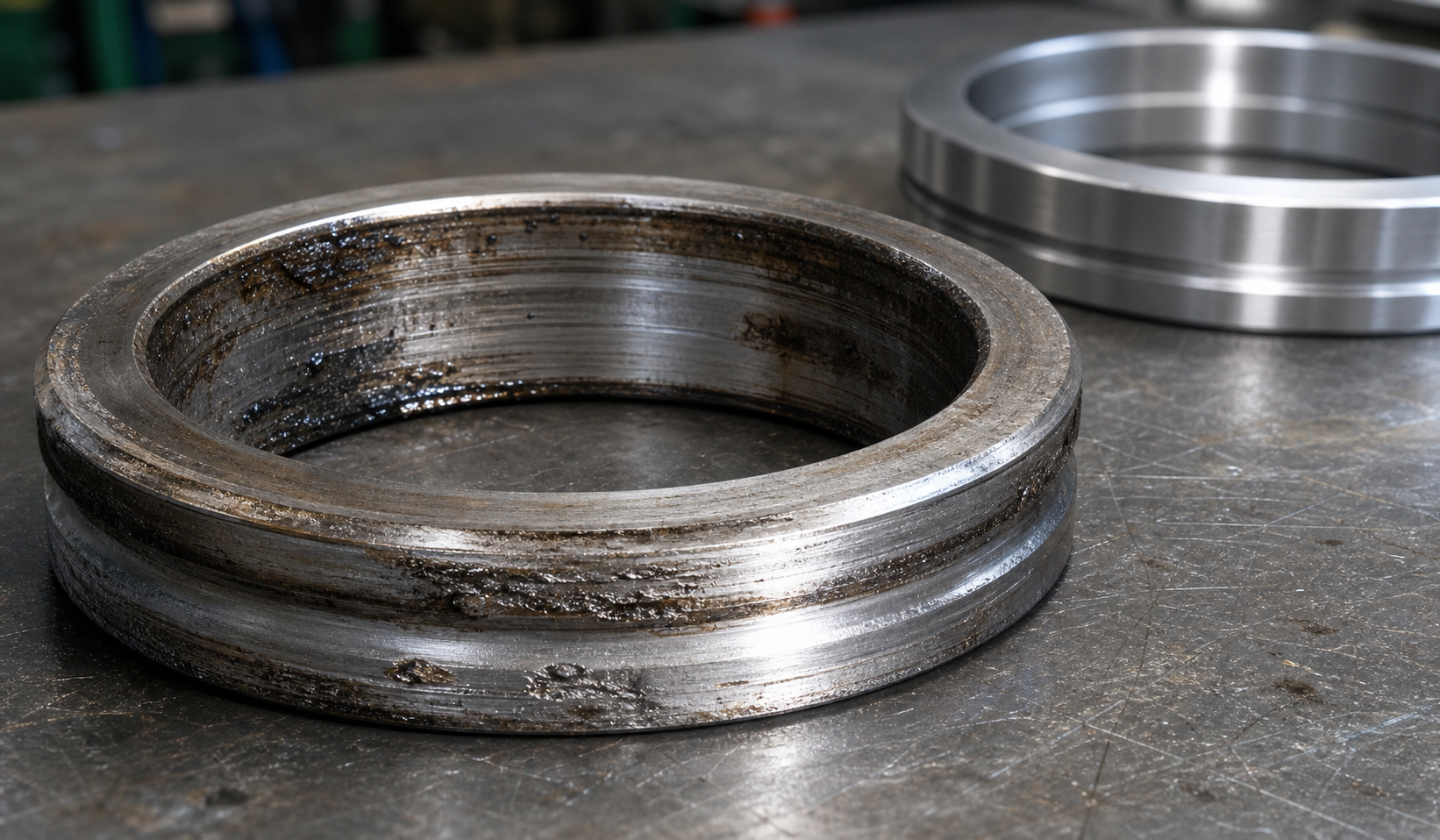
Scoring creates grooves that guide fluid across the sealing line. Galling tears the surface and transfers metal between mating parts. Abrasive wear rounds edges and changes contact geometry. Each mechanism reduces the ring’s ability to maintain a continuous sealing band.
Once leakage starts, the failure can accelerate. Flow through a narrow damaged path may erode it further. Corrosion attacks fresh exposed metal. Vibration can widen the scar. This is why a seal ring material should be judged by surface integrity over time, not only by initial hardness.
How Stellite 6 Protects the Contact Band
Stellite 6 contains a cobalt-based matrix reinforced by chromium and tungsten carbides. The carbides resist abrasive cutting and scoring. The cobalt matrix supports the surface under sliding contact and elevated temperature. Chromium helps resist oxidation and many corrosion-wear cycles.
For seal rings, this means less metal pickup, slower surface roughening, better resistance to scratches, and a stronger chance of holding the specified geometry between maintenance intervals.
Micro-Movement, Fretting, and Pressure Cycling
Many seal rings are not damaged by large movement. They are damaged by small repeated movement from pressure fluctuation, vibration, thermal expansion, or equipment deflection. This micro-slip can create fretting wear, local oxidation, debris, and rough areas on the contact face.
Stellite 6 is useful where that contact surface must remain stable under repeated small movements. It will not correct loose fits or poor support, but it can reduce the speed at which micro-movement becomes leakage.
Solid Stellite 6 or Stellite 6 Overlay?
A solid Stellite 6 seal ring gives wear resistance through the section. It can be useful for small, highly loaded, or critical parts where full cobalt alloy properties are justified. The trade-off is higher cost, more difficult machining, and sensitivity to cobalt alloy pricing.
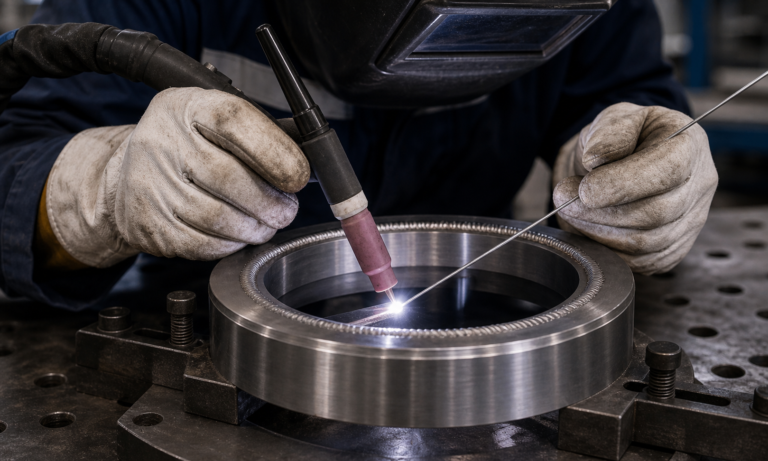
A Stellite 6 overlay places the alloy only on the working surface. This can reduce cost and allow the base material to provide strength or corrosion compatibility. The risk moves to process control: dilution, cracking, remaining thickness after machining, porosity, and bond quality.

Surface Finish Still Decides Sealing Performance
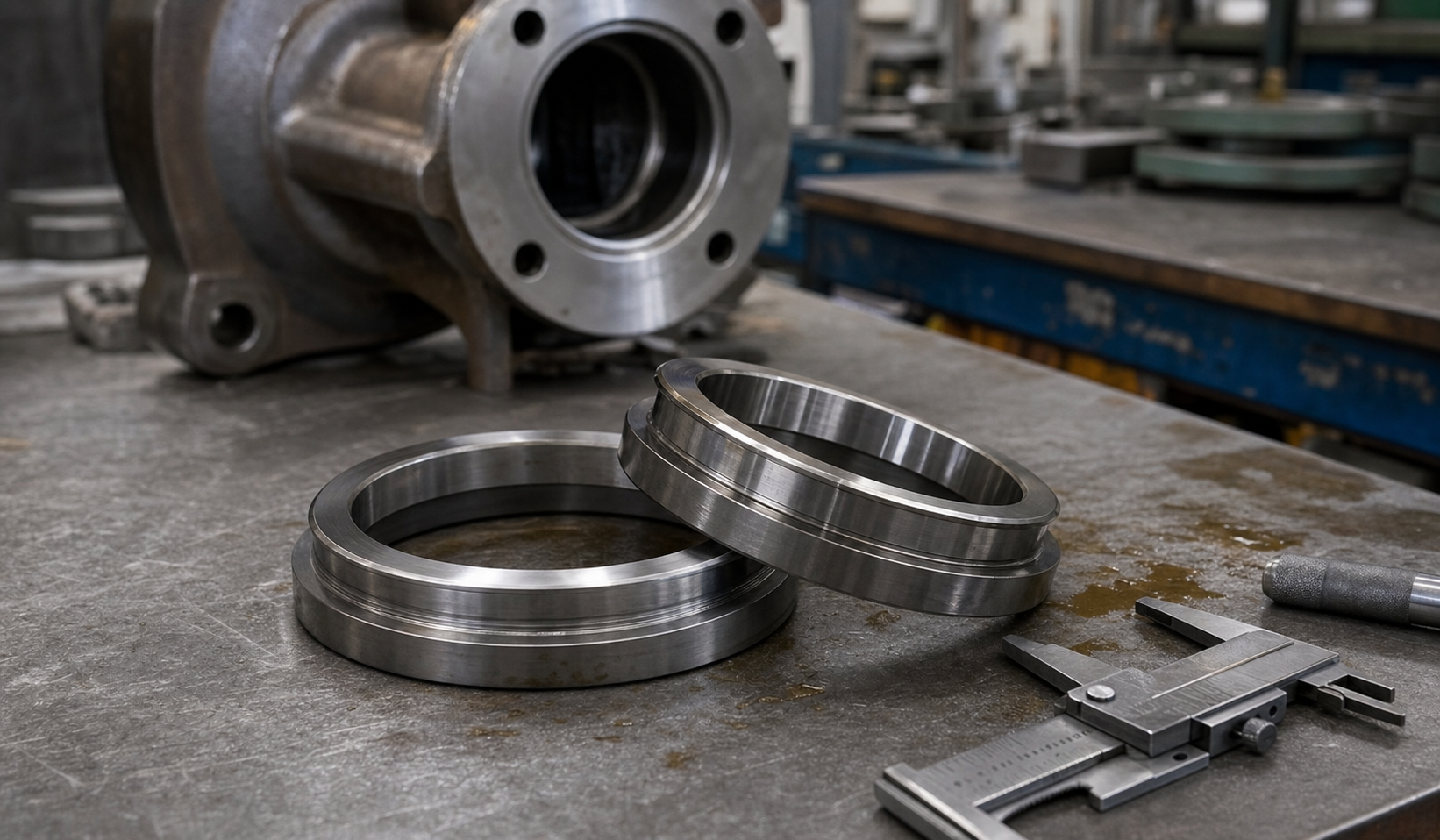
A good material with a poor finish can still leak. Seal ring drawings should define critical dimensions, flatness or roundness, surface roughness, lapping requirements, and mating surface expectations. The contact pair matters as much as the ring itself.
Stellite 6 should be ground and lapped with enough care to avoid overheating, edge damage, or an uneven contact band. The final inspection should confirm the surface that actually seals, not only the general part dimensions.
When Stellite 6 May Not Be Enough
Stellite 6 is not the answer to every seal problem. If the dominant problem is chemical corrosion, another alloy may be more suitable. If the ring is distorted by poor support, incorrect installation, or thermal mismatch, material alone cannot fix it. If velocity through a leak path is extreme, design changes may be needed.
The correct decision should start with the failure mode: scoring, galling, fretting, erosion, corrosion, or geometry loss. Stellite 6 is strongest when mechanical surface damage is a major part of the failure.
Specification Points for Buyers
Specify the base material, Stellite 6 form, whether the part is solid or overlay, minimum finished wear-layer thickness, hardness range, surface finish, dimensional tolerances, NDT requirements, and traceability. Ask the supplier how they verify the functional sealing face after machining.
For oil and gas projects, the best seal ring is not the hardest one on paper. It is the one whose surface remains stable under the real combination of pressure, movement, media, and maintenance expectations.

FAQ
Is Stellite 6 always better than stainless steel?
No. Stellite 6 is usually selected when galling, sliding wear, erosion, or abrasion threaten the sealing surface. Clean, moderate, strongly corrosion-driven, or cost-sensitive services may justify another material.
What should buyers check before ordering?
Check base material, hardfacing method, finished wear-layer thickness, hardness range, inspection, surface finish, and traceability. The process quality is as important as the alloy name.