
Writing Stellite 6 on a Drawing Is Not Enough
Specifying Stellite 6 valve seats and seal rings is not the same as writing the alloy name on a drawing. The alloy name identifies the material family, but it does not define the base metal, hardfacing method, finished overlay thickness, dilution, hardness range, inspection, surface finish, or traceability.
Those details decide whether the part works. In oil and gas projects, a weak specification often produces predictable problems: overlay too thin after machining, high iron dilution, unstable hardness, cracks, pores, poor lapping, missing certificates, and no useful records when a field issue appears.
Define the Base Material and Service Limits
The base material carries the structure. It should match pressure class, corrosion requirements, heat treatment condition, welding compatibility, sour-service rules, and project standards. Leaving the base material open may save time in purchasing, but it creates risk in production and inspection.
A good specification states the base material grade and standard, supply condition, any project restrictions, and whether supplier substitution requires written approval.
Specify the Hardfacing Process
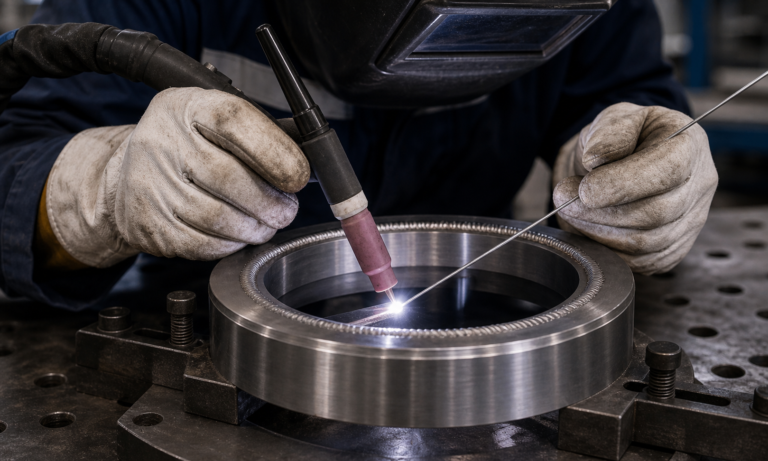
TIG hardfacing, PTA welding, and laser cladding can all produce useful Stellite 6 surfaces, but they are not identical. TIG is flexible and practical for complex geometry or small batches. PTA is often more repeatable for production overlays. Laser cladding can offer low dilution and precise deposits when the setup is suitable.
The specification should either name the approved process or require procedure approval before substitution. Changing process can change dilution, cracking risk, deposit shape, and final machinability.
Control Finished Overlay Thickness
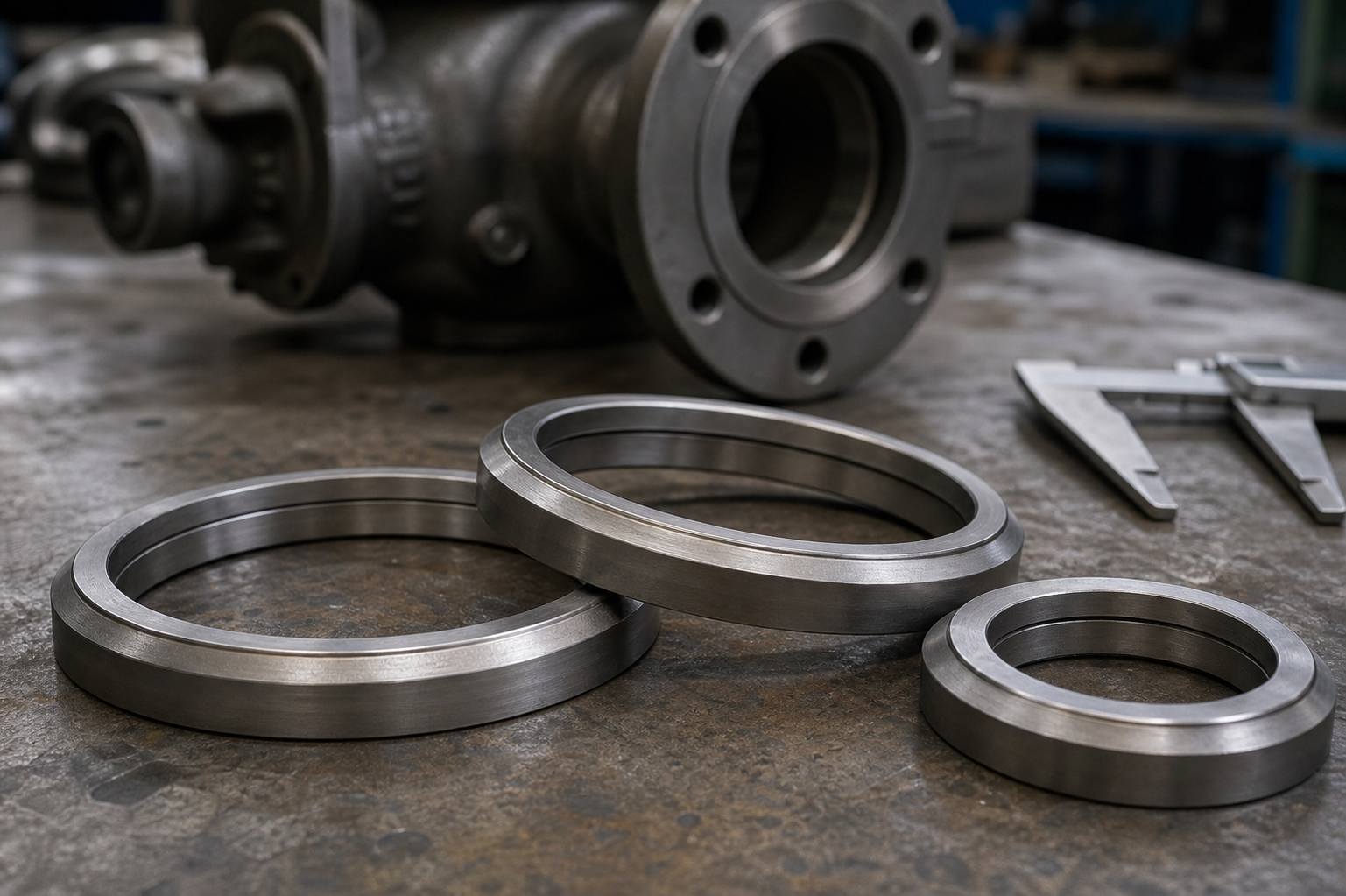
Overlay thickness should be specified after final machining, not only as-welded. Grinding and lapping remove material. A seat that had enough deposit before machining may have too little Stellite 6 at the sealing face after finishing.
For critical parts, define minimum finished thickness at the working surface and ask how the supplier verifies it. Cross-section qualification, process records, or agreed measurement methods may be needed depending on geometry.
Hardness, Dilution, and Functional Surface Testing
Stellite 6 hardness is often specified in the high-30s to mid-40s HRC range, but the acceptable range should come from the project requirements and supplier procedure. More important, hardness should represent the functional surface. A convenient test point away from the sealing band may not prove the surface that will actually work.
Dilution is the mixing of base metal into the Stellite layer. Excess dilution can lower hardness, change corrosion behavior, and reduce wear resistance. Procedure control, heat input, preheat, interpass temperature, and bead sequence all affect the result.
Machining, Lapping, and Surface Finish
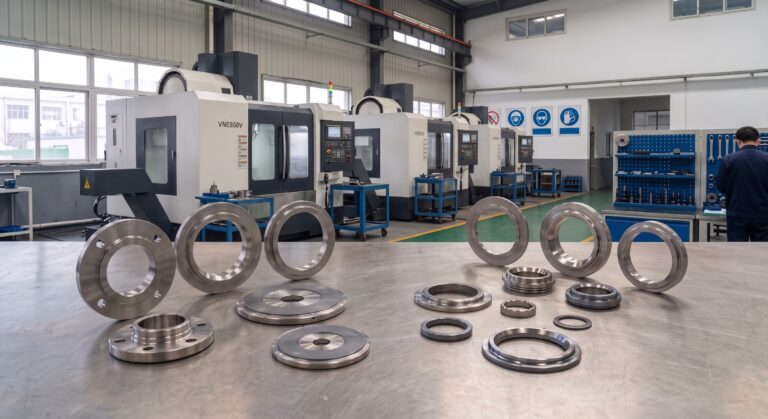
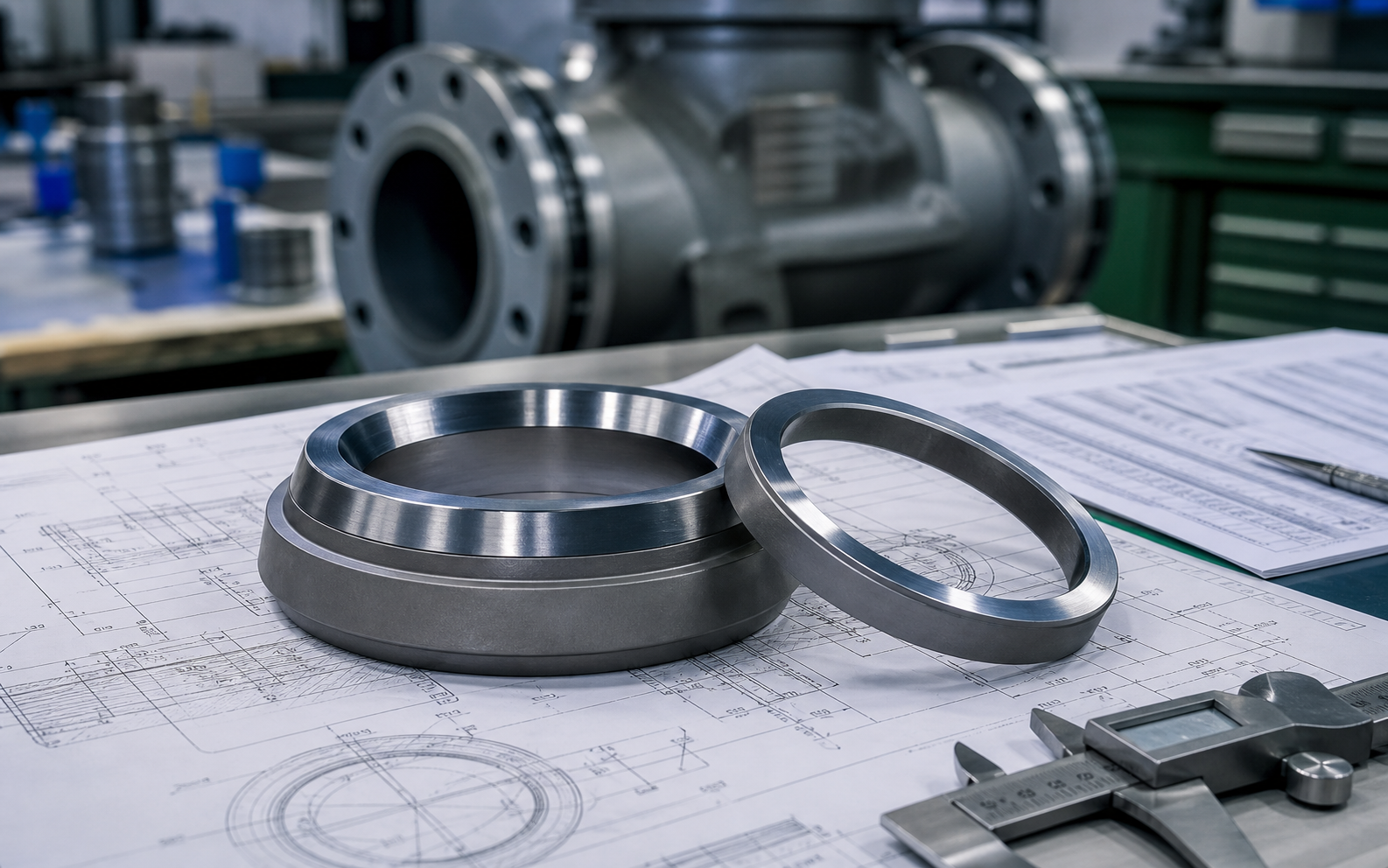
Hardfacing creates the wear layer. Machining creates the sealing surface. Drawings should define dimensions, runout, flatness or roundness, surface roughness, contact pattern, and lapping requirements where applicable.
A Stellite 6 seat with poor lapping can leak. A seal ring with the wrong surface finish can fail even if hardness is correct. The mating surface should also be reviewed, because Stellite 6 works as part of a contact pair.
Inspection and Documentation Requirements
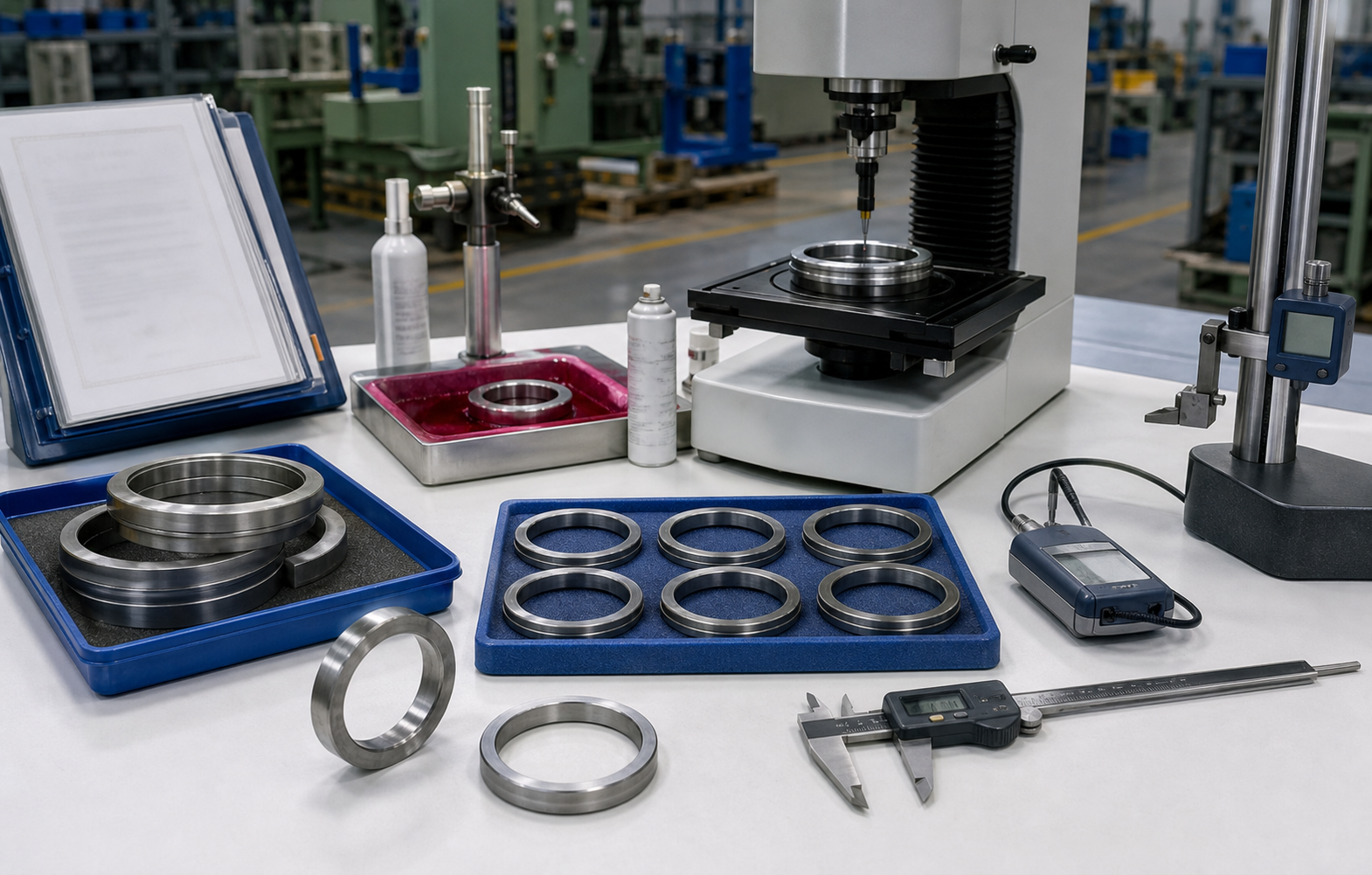
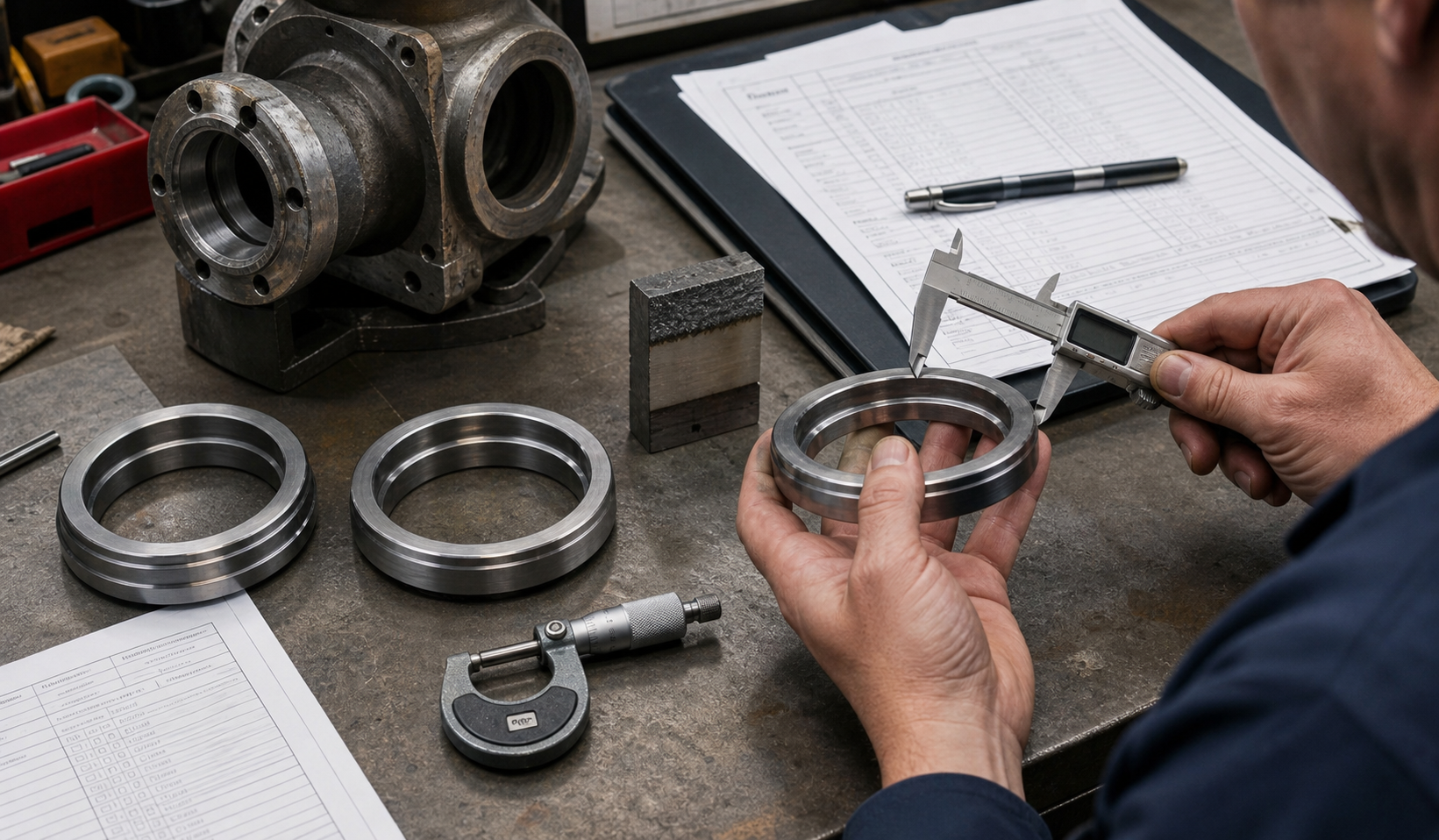
Visual inspection alone is not enough for critical hardfaced components. Common requirements include PT for surface cracks, hardness testing, dimensional inspection, roughness measurement, review of machining marks, and material traceability. UT may be relevant for base material or bonding checks when geometry allows.
Documentation should include base material certificates, Stellite consumable batch records where required, process records, hardness reports, NDT reports, dimensional inspection, and final surface condition checks.
A Practical Purchasing Checklist
Before ordering, confirm the base material, hardfacing method, minimum finished Stellite thickness, hardness range and test location, dilution or procedure qualification expectations, NDT, surface finish, critical dimensions, and required certificates.
The strongest supplier is not simply the one that says yes to Stellite 6. It is the one that can explain how they control the process from base material to final sealing surface.
FAQ
Is Stellite 6 always better than stainless steel?
No. Stellite 6 is usually selected when galling, sliding wear, erosion, or abrasion threaten the sealing surface. Clean, moderate, strongly corrosion-driven, or cost-sensitive services may justify another material.
What should buyers check before ordering?
Check base material, hardfacing method, finished wear-layer thickness, hardness range, inspection, surface finish, and traceability. The process quality is as important as the alloy name.