
Stellite 6 welding rod is usually selected when a standard steel filler cannot create the wear-resistant surface an industrial part needs. Buyers and welding engineers use it to build or repair hardfaced layers on valve seats, seal faces, pump parts, sleeves, and other components exposed to sliding wear, abrasion, galling, or elevated temperature.
The important question is not only what the rod contains. Buyers need to know whether the consumable can repeatedly produce a sound deposit after welding, grinding, and service, and whether the supplier can keep that performance stable from batch to batch.
What Is Stellite 6 Welding Rod?
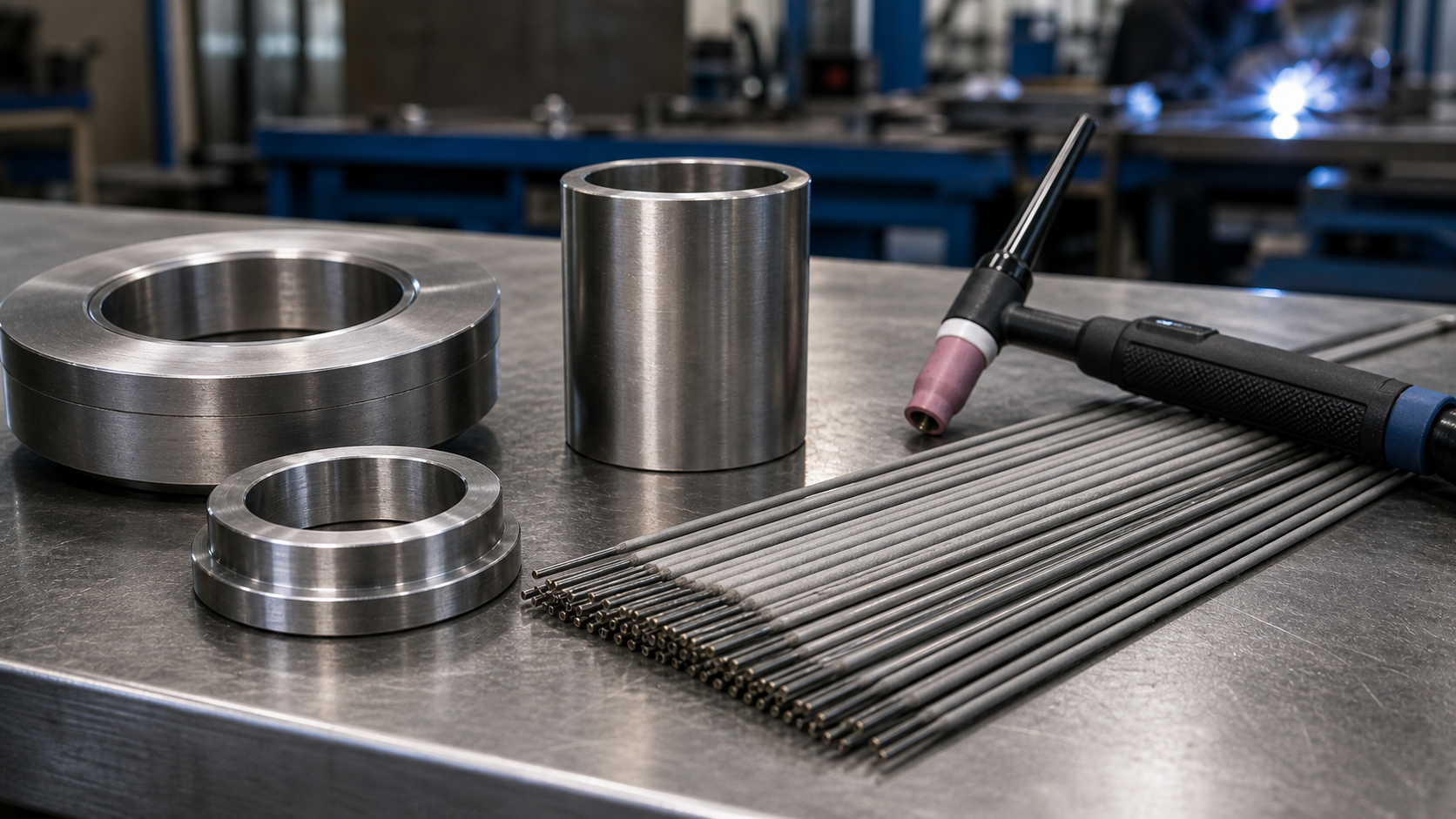
Stellite 6 welding rod is a cobalt-based hardfacing consumable used to deposit a wear-resistant surface onto a base metal component. Instead of making the entire part from cobalt alloy, engineers often place the alloy only where wear and sealing damage occur.
In many shops, the term may refer to rods or filler materials used in TIG, oxy-acetylene, or related hardfacing operations. The goal is the same: create a dense cobalt alloy layer that resists scoring, galling, abrasion, and many corrosion-wear conditions better than ordinary steel deposits.
This makes Stellite 6 welding rod a process material, not a simple stock item. Its performance depends on both composition and welding execution.
Typical Chemical Composition of Stellite 6 Welding Rod
Typical Stellite 6 welding rod chemistry is based on cobalt with significant chromium and tungsten plus controlled carbon. Smaller amounts of nickel, iron, silicon, and manganese may also be present depending on the product form and manufacturer specification.
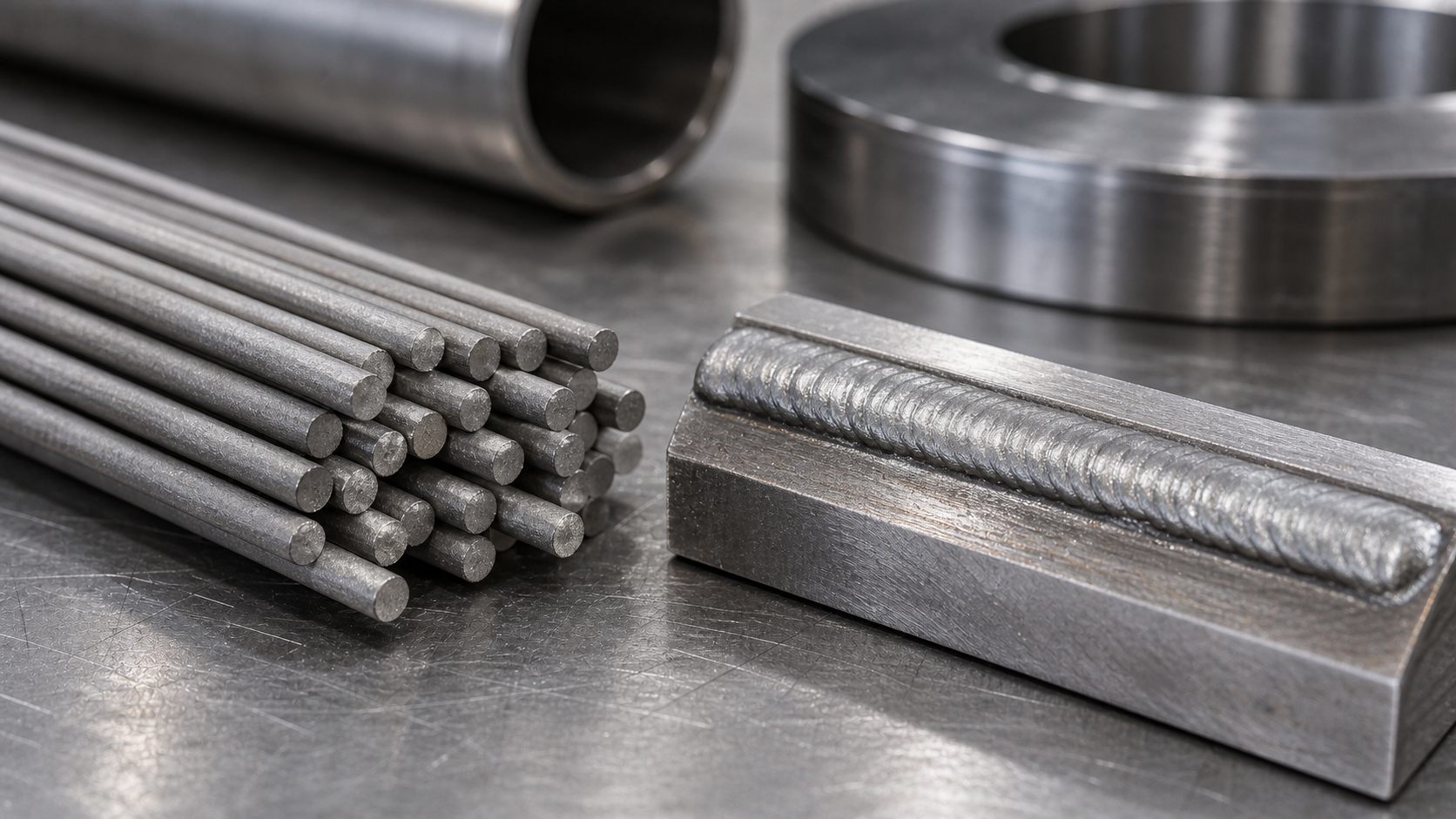
Chromium supports oxidation and corrosion-wear resistance. Tungsten and carbon contribute to carbide formation, which helps the deposit resist abrasive cutting and surface damage. The cobalt-rich matrix gives the alloy its useful behavior under sliding contact and elevated temperature.
Buyers should remember that nominal chemistry ranges do not guarantee identical weld performance between suppliers. Composition control, coating quality where applicable, and deposit consistency are part of what separates a reliable consumable source from a marginal one.
Mechanical and Wear Properties
Stellite 6 deposits are typically known for hardness in the upper HRC 30s to low or mid HRC 40s, depending on dilution, welding method, and final deposit condition. That hardness alone is not the reason the alloy is useful. Its value comes from how the microstructure supports wear resistance without behaving like a simple brittle hard coating.
A good Stellite 6 deposit can resist sliding wear, metal pickup, abrasive scoring, and many forms of hot surface damage. It is also widely used where anti-galling behavior matters, such as sealing lines and contact surfaces that see repeated load and motion.
Property values should always be interpreted with process context. Excessive dilution or poor heat control can pull the final deposit away from the expected performance range.
Why Stellite 6 Welding Rod Is Used for Hardfacing
The reason Stellite 6 welding rod remains popular is that it creates a practical hardfacing layer for many industrial repair and manufacturing jobs. The carbide-reinforced cobalt matrix gives the surface a better chance of surviving mixed wear than many conventional fillers.
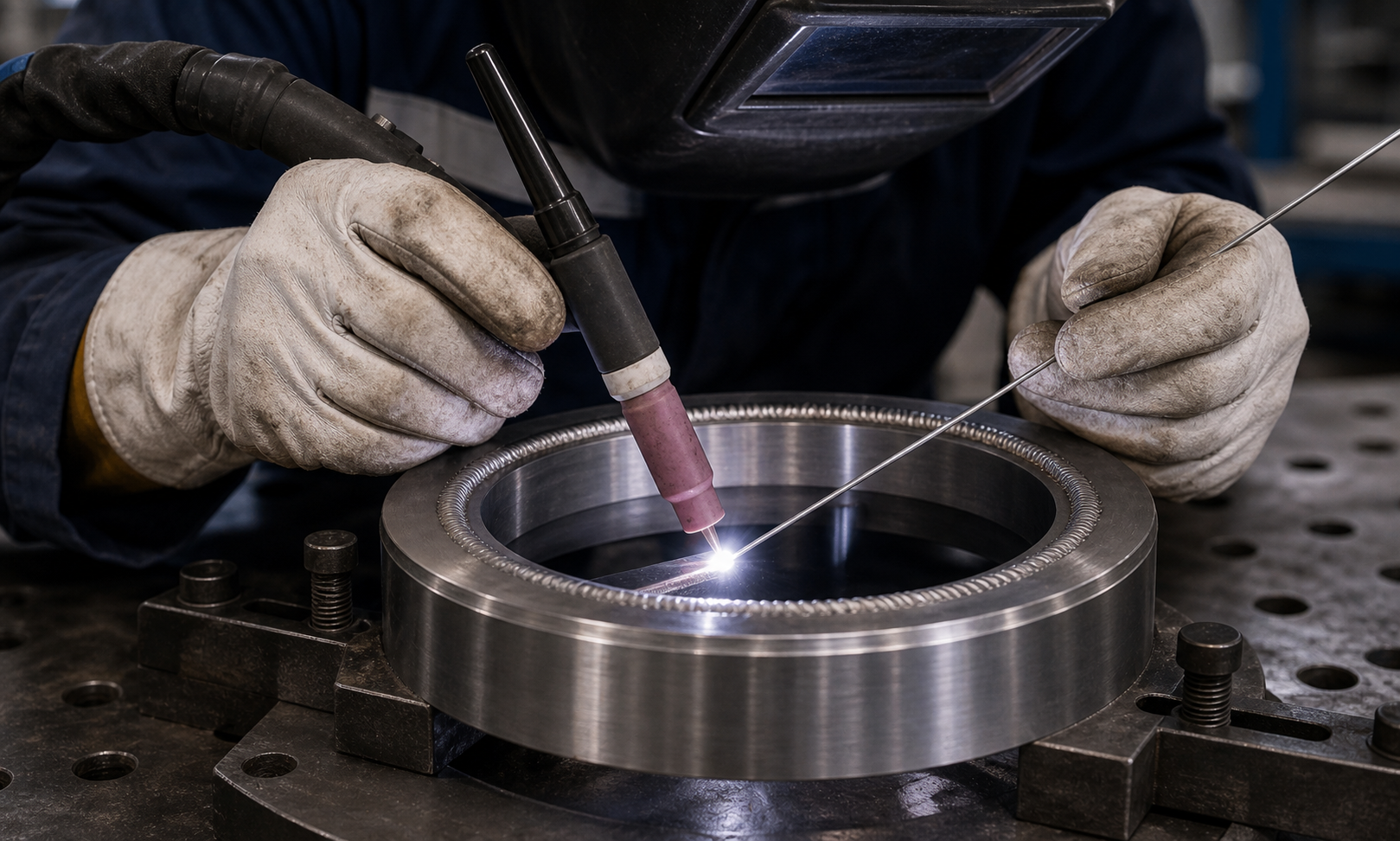
This matters in real components because wear is rarely pure abrasion. Hardfaced surfaces may face galling, impact, corrosion, thermal cycling, and localized erosion in the same service interval. A deposit that stays stable under that combination is often more valuable than a filler optimized for only one wear mode.
For many buyers, the choice of Stellite 6 is therefore a decision about field performance and maintenance frequency, not just alloy familiarity.
Common Applications of Stellite 6 Welding Rod
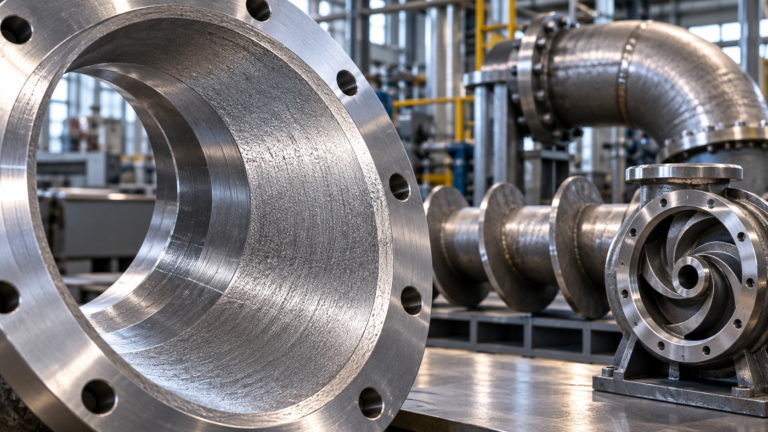
Typical applications include valve seats, seal faces, valve trim, pump sleeves, bushings, shafts, extrusion tools, cutting edges, and wear areas on machinery components. These are parts where the surface sees more damage than the base structure and where replacing the full component with cobalt alloy would be unnecessarily expensive.
It is also used in reclamation and repair work. Instead of discarding a high-value part, the damaged surface can be rebuilt and finished back to size when the base component is still structurally acceptable.
The best applications are those where a well-bonded cobalt alloy layer can control the dominant surface failure mechanism more economically than a full material change.
Stellite 6 Welding Rod for Valve Repair
Valve repair is one of the most common use cases because sealing surfaces often fail first. A Stellite 6 overlay can restore wear resistance and reduce galling risk on seat faces, discs, wedges, and other contact surfaces that would otherwise leak or seize.
For valve repair, the consumable choice is only part of the answer. The deposit must be controlled so that the sealing surface can later be machined or lapped to the correct geometry. Too much dilution, porosity, or cracking can make the repair unreliable even when the nominal filler grade is correct.
This is why repair-quality expectations should include both weld quality and final surface quality.
Welding Process Considerations
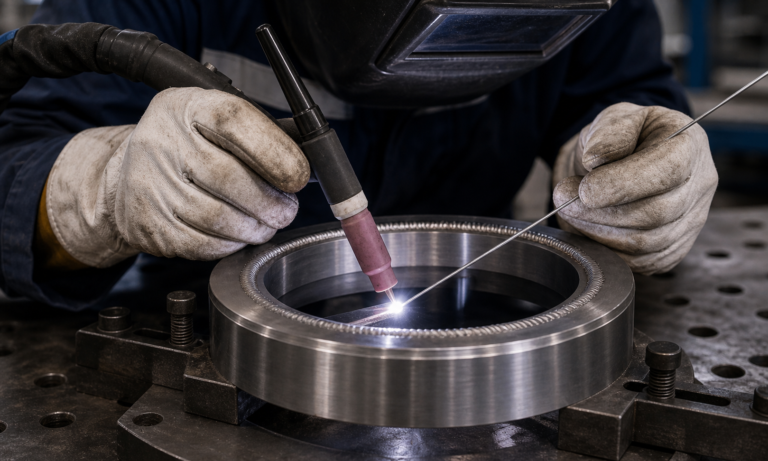
Stellite 6 welding rod may be used with TIG and oxy-acetylene methods in many repair or small-batch applications, while plasma transfer arc or other hardfacing processes may be preferred where higher production control is required. The best process depends on component geometry, deposit thickness, heat sensitivity, and production volume.
Each process affects dilution, bead profile, deposition efficiency, and finishing allowance. Buyers should therefore avoid assuming that every supplier using the same nominal alloy will produce the same deposit quality.
When a component is critical, it is reasonable to ask which process is used, why it fits the part, and how the supplier qualifies it.
Dilution, Cracking, and Heat Input Control
Dilution is one of the most important technical points in Stellite hardfacing. If too much base metal mixes into the deposit, the chemistry and performance of the working surface move away from the intended Stellite 6 behavior. Hardness, wear resistance, and corrosion-wear performance may all shift.
Cracking risk must also be managed because cobalt hardfacing deposits are not infinitely tolerant of poor setup. Base material condition, joint preparation, preheat, restraint, heat input, and interpass temperature all influence whether the deposit remains sound.
A reliable supplier should be able to explain how dilution and cracking are controlled in practice, not just state that the material is crack resistant or high quality.
Machining and Grinding After Welding
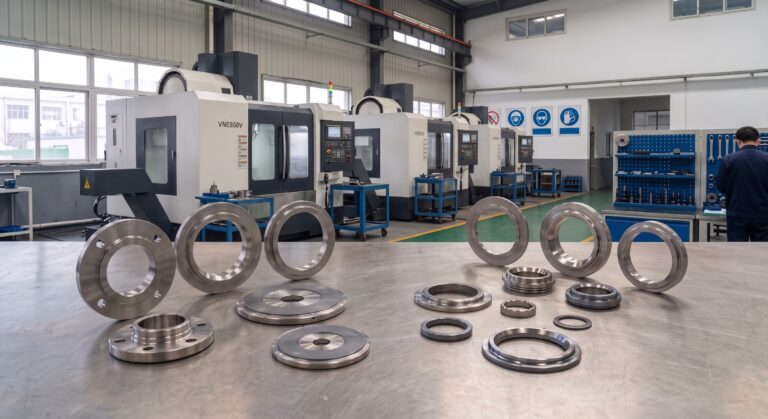
A Stellite 6 deposit is chosen because it is hard to wear, which also means it is harder to machine than ordinary steel weld metal. Finishing allowances, tooling strategy, grinding heat, and final surface requirements must all be considered before welding starts.
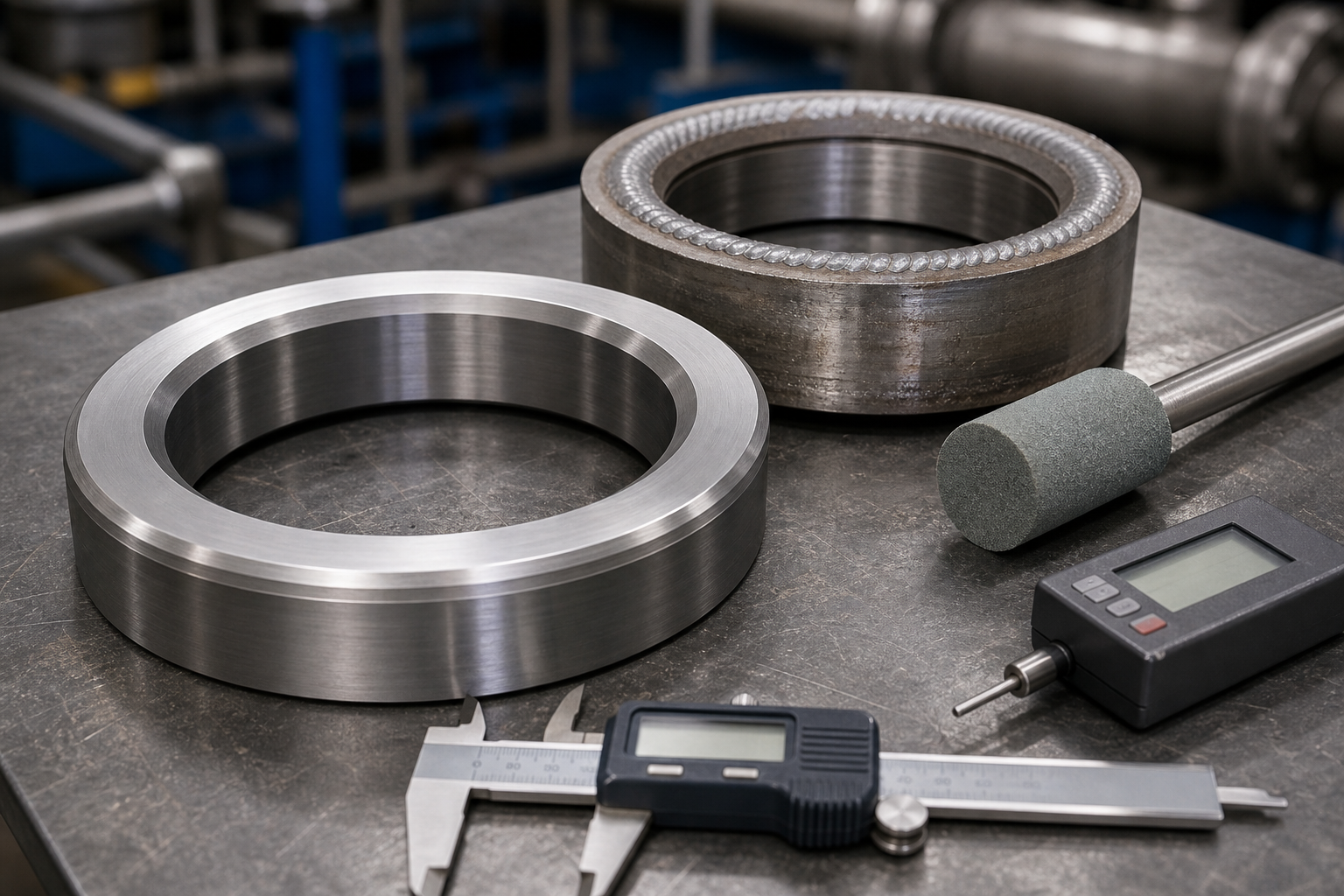
In many applications, post-weld grinding or lapping defines whether the part actually works. Valve sealing surfaces, for example, require the correct geometry and roughness at the final contact band, not just a sound as-welded layer.
Buyers should check whether the supplier has experience finishing hardfaced surfaces to functional dimensions rather than only depositing the weld metal.
Stellite 6 Welding Rod vs Other Stellite Welding Consumables
Stellite 6 welding rod is often compared with ERCoCr-A, ERCoCr-B, and harder cobalt alloy consumables such as those corresponding to Stellite 12-type deposits. The right choice depends on the balance between hardness, toughness, crack sensitivity, process route, and service wear mode.
A harder consumable is not automatically better. In some applications, a more balanced deposit that resists galling and maintains stability under mixed wear will outperform a nominally harder overlay that is less forgiving in fabrication or service.
Selection should therefore start with the component, failure mode, and welding process, not only the filler designation.
How to Choose a Reliable Stellite 6 Welding Rod Supplier
A reliable supplier should control chemistry, provide clear product specifications, and maintain traceability by batch. For many buyers, the real concern is consistency: whether the rod received next month behaves the same as the rod qualified today.
Technical support matters as well. Suppliers that understand hardfacing applications can help with diameter choice, process selection, storage, packaging, and troubleshooting around cracking or deposit behavior.
It is also worth asking whether the supplier mainly sells commodity stock or regularly serves valve, repair, and wear-part applications where performance evidence matters.
Purchasing Checklist for Stellite 6 Welding Rod
Before ordering, confirm the product form, diameter, nominal chemistry, applicable standard, quantity, packaging condition, certificate requirements, and target application. These details affect both price and suitability.
For critical jobs, buyers should also confirm how the supplier protects the consumable during storage and shipment and whether batch records can be tied back to test certificates. That is especially important when the deposit will be used on pressure-retaining or sealing components.
The strongest purchasing decision links the welding rod order to the actual hardfacing procedure and inspection plan rather than treating the consumable as a generic item. If the application is critical, batch traceability and packaging condition should be reviewed before the rod ever reaches the welding station.
FAQ
What is Stellite 6 welding rod used for?
It is mainly used to deposit a cobalt-based hardfacing layer on components that need better wear resistance, anti-galling behavior, and surface stability.
Is Stellite 6 welding rod suitable for valve repair?
Yes, it is widely used for valve seat and sealing surface repair when the repair procedure, dilution control, and final machining are properly managed.
What should buyers check when comparing suppliers?
Focus on chemistry consistency, traceability, certificates, packaging, technical support, and experience with real hardfacing applications.