
Stellite 6 is often the first cobalt alloy engineers consider for wear parts, and for good reason. It gives a practical balance of wear resistance, anti-galling behavior, corrosion resistance, hot hardness, and manufacturability. But when the damage on the part is dominated by severe abrasive wear or high contact pressure, Stellite 6 may not be the strongest answer.
That is where Stellite 12 enters the discussion. Stellite 12 is not simply a better Stellite 6. It is a harder, more wear-focused grade that can make sense when the working surface is being cut, grooved, or worn away faster than Stellite 6 can tolerate. The trade-off is that the higher wear resistance usually comes with more difficult machining, lower forgiveness under impact, and tighter process control during hardfacing or casting.
Why Engineers Compare Stellite 12 and Stellite 6
Engineers compare Stellite 12 and Stellite 6 because both sit in the same cobalt-based wear alloy family, but they solve slightly different problems. Stellite 6 is the balanced option. Stellite 12 moves further toward hardness and abrasion resistance.
In practical terms, the question is usually this: is the part failing because Stellite 6 is not hard enough for the abrasive environment, or is the problem actually impact, corrosion, poor lubrication, wrong mating material, bad geometry, or process quality? If the failure is not mainly abrasive or high-pressure sliding wear, moving to Stellite 12 may add cost and manufacturing risk without fixing the real cause.
Quick Answer: When Stellite 12 Makes More Sense
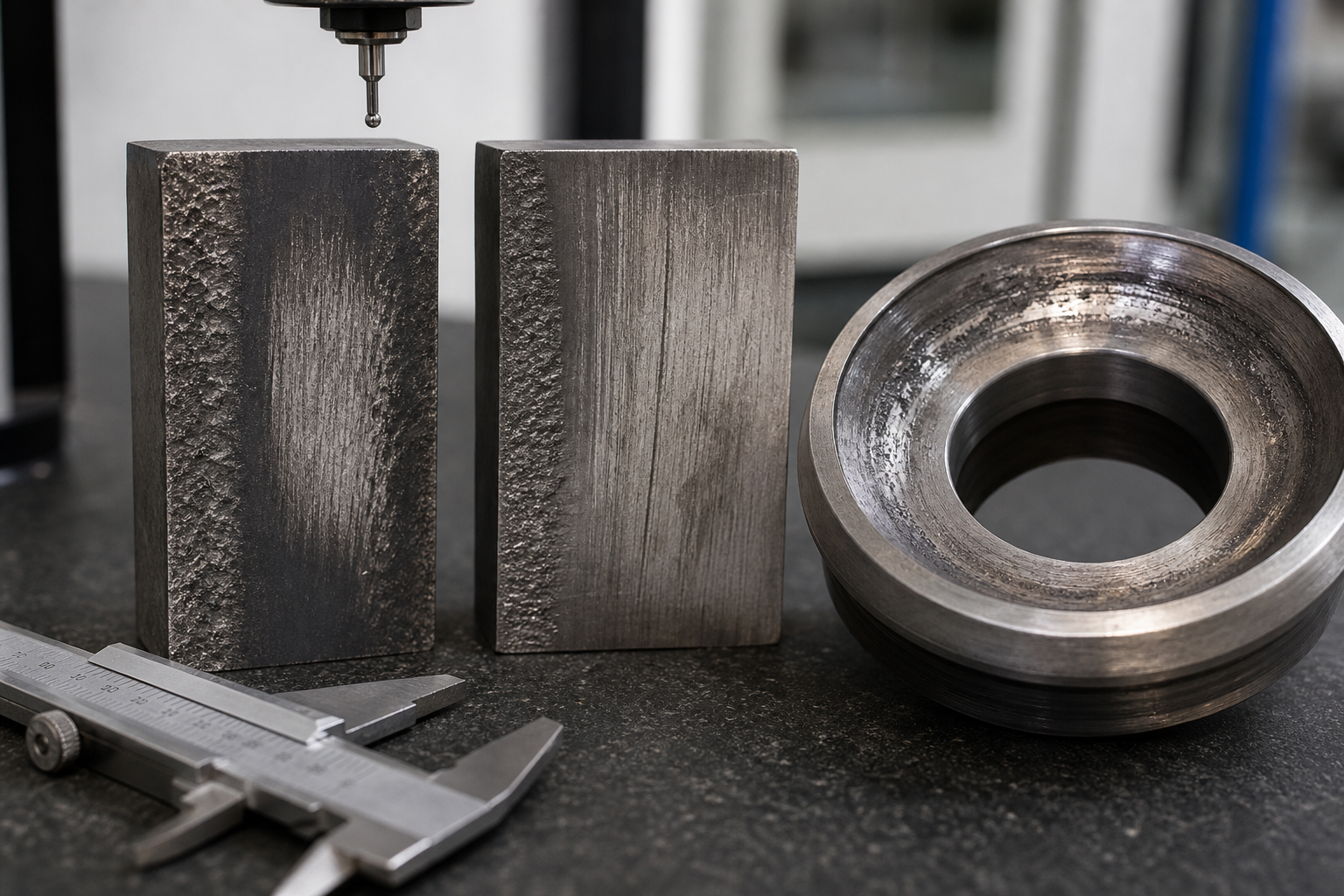
Choose Stellite 12 over Stellite 6 when the service condition is more aggressive in abrasive wear, the contact pressure is high, the surface profile must resist rapid loss, and the part is not exposed to heavy shock loading. It is especially worth considering when Stellite 6 has already worked better than steel but still wears too quickly.
Hard particles are cutting grooves into the working surface.
The part loses edge or profile before corrosion or cracking becomes the main issue.
The service has high sliding pressure but limited impact.
Hot wear is present and the surface needs stronger hardness retention.
The manufacturing route can control cracking, dilution, and finishing quality.
Key Differences Between Stellite 12 and Stellite 6
| Factor | Stellite 6 | Stellite 12 |
| Main selection logic | Balanced wear, galling, corrosion, and hot hardness | Stronger abrasion and high-pressure wear resistance |
| Hardness tendency | Typically lower than Stellite 12 | Typically higher, depending on process and condition |
| Toughness and crack tolerance | Generally more forgiving | Usually less forgiving under impact or thermal stress |
| Machining | Difficult, but more manageable | More difficult; grinding or careful tooling is often needed |
| Best fit | Mixed wear, valve trim, sleeves, bushings, general hardfacing | Severe abrasive wear, cutting edges, scrapers, high-wear surfaces |
The table is useful, but it should not replace failure analysis. A harder alloy is not automatically the right alloy. If a component is cracking, chipping, or failing from impact, Stellite 12 can make the situation worse. If a component is wearing smoothly and predictably from abrasion, Stellite 12 may extend service life.
Stellite 12 for Severe Abrasive Wear
Abrasive wear happens when hard particles or rough counterfaces cut the surface. The damage usually appears as grooves, rounding, edge loss, or profile loss. In this situation, the carbide structure and higher hardness of Stellite 12 can reduce material removal compared with Stellite 6.
This is different from galling. Galling is metal transfer and tearing between sliding surfaces. Stellite 6 already performs well in many galling situations. Stellite 12 can also resist adhesive damage, but its strongest argument is when abrasive cutting is the dominant failure mechanism.
The same thinking applies to erosion and hot wear. If high-velocity particles wash across the surface, Stellite 12 may help where the angle and particle loading create cutting or repeated impact. If the erosion is combined with strong impact or severe thermal cycling, the tougher grade or a different design may be safer.
When Stellite 6 Is Still the Better Choice
Stellite 6 remains the better choice when the service condition is mixed and uncertain. Many valves, pump parts, bushings, and sleeves do not fail only from abrasion. They see sliding contact, corrosion, vibration, thermal cycling, and occasional misalignment. In those cases, the more balanced behavior of Stellite 6 can be more reliable than the higher hardness of Stellite 12.
Use Stellite 6 when impact or shock loading is significant.
Use Stellite 6 when cracking risk in hardfacing is a major concern.
Use Stellite 6 when the part needs a broad balance of wear and corrosion resistance.
Use Stellite 6 when machining cost and lead time are more sensitive.
Use Stellite 6 when the failure mode is galling rather than severe abrasion.
Application Examples Where Stellite 12 Can Replace Stellite 6
Stellite 12 can replace Stellite 6 in wear surfaces where Stellite 6 is wearing by groove formation or rapid profile loss, and where the part is well supported. Examples include scraper blades, saw tips, hot shear edges, extrusion wear surfaces, certain pump wear components, and valve parts exposed to high-pressure sliding with limited impact.
In some wear-pair designs, Stellite 6 and Stellite 12 may be used together rather than choosing one grade for both sides. A harder Stellite 12 surface can run against a more balanced Stellite 6 mating surface to reduce identical-metal galling risk and tune the contact pair. The design still needs review for hardness difference, finish, alignment, load, lubrication, and replacement strategy.
Selection Checklist for Stellite 12 vs Stellite 6
Wear type: choose Stellite 12 when abrasive cutting dominates; be cautious if galling, corrosion, or impact dominates.
Impact load: choose Stellite 6 when shock, vibration, or chipping risk is high.
Temperature: consider both grades for hot wear, but check thermal cycling and cracking risk.
Corrosion media: confirm chemical compatibility instead of assuming either grade is universal.
Manufacturing route: confirm casting, hardfacing, PTA, laser cladding, machining, and inspection capability.
Budget: include machining time, scrap risk, repairability, and downtime cost, not only alloy price.
Manufacturing and Procurement Checks for Stellite 12
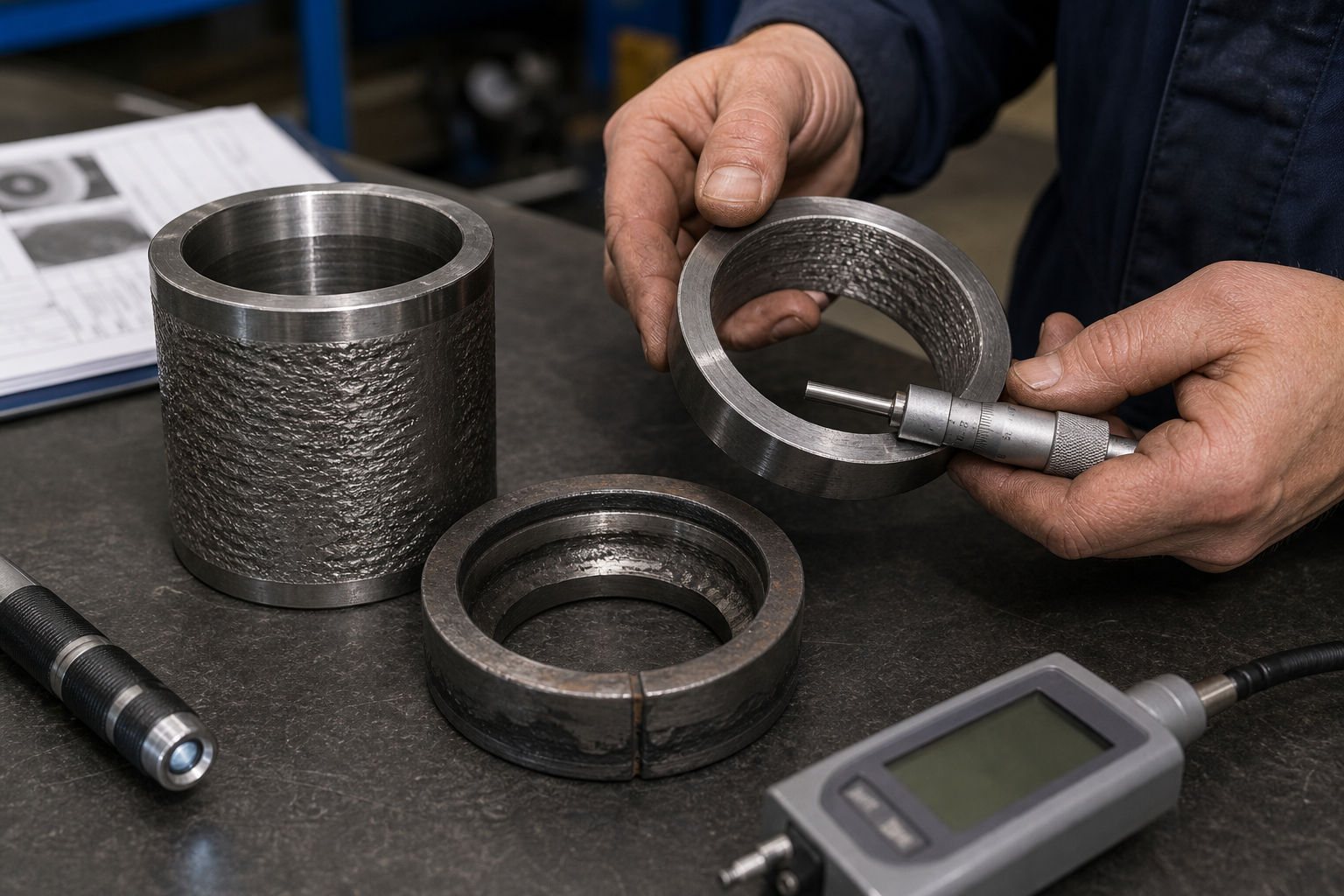
When Stellite 12 is selected over Stellite 6, procurement should verify more than nominal grade. Confirm the product form, hardfacing method or casting route, expected hardness range, crack acceptance criteria, machining allowance, finish requirement, and whether the mating part can tolerate the harder surface.
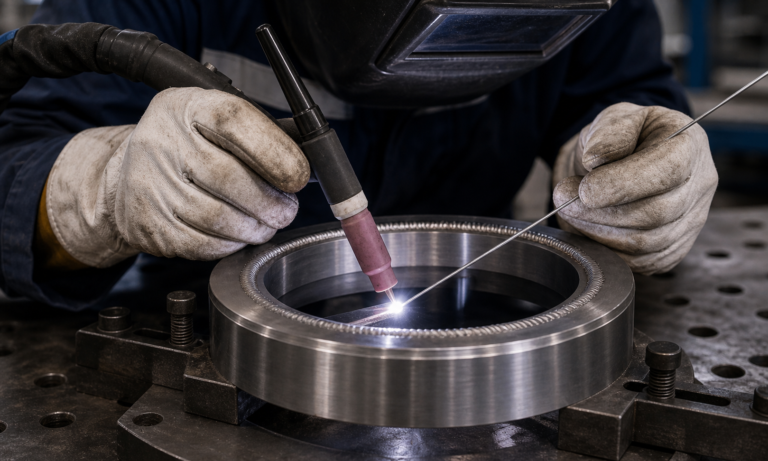
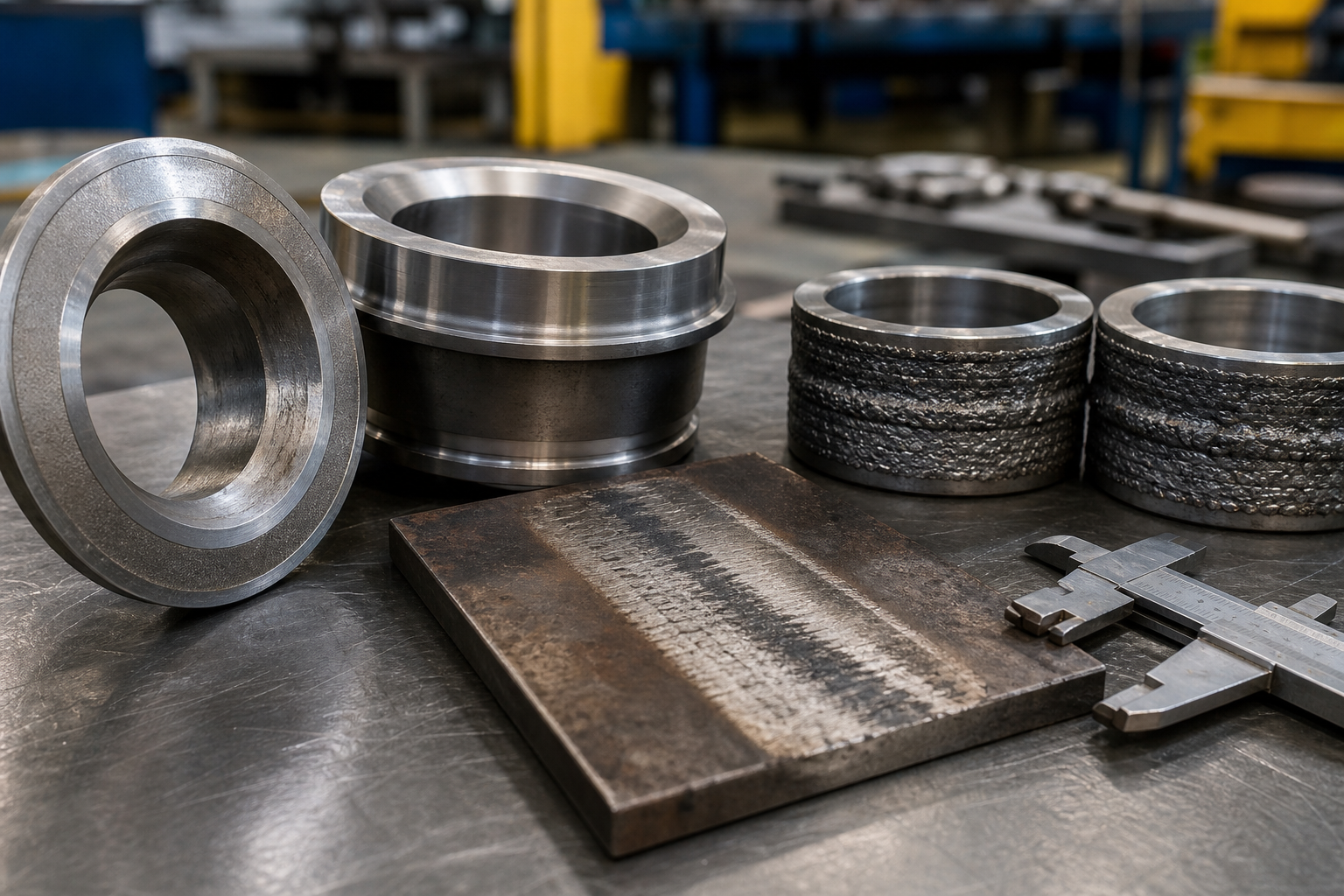
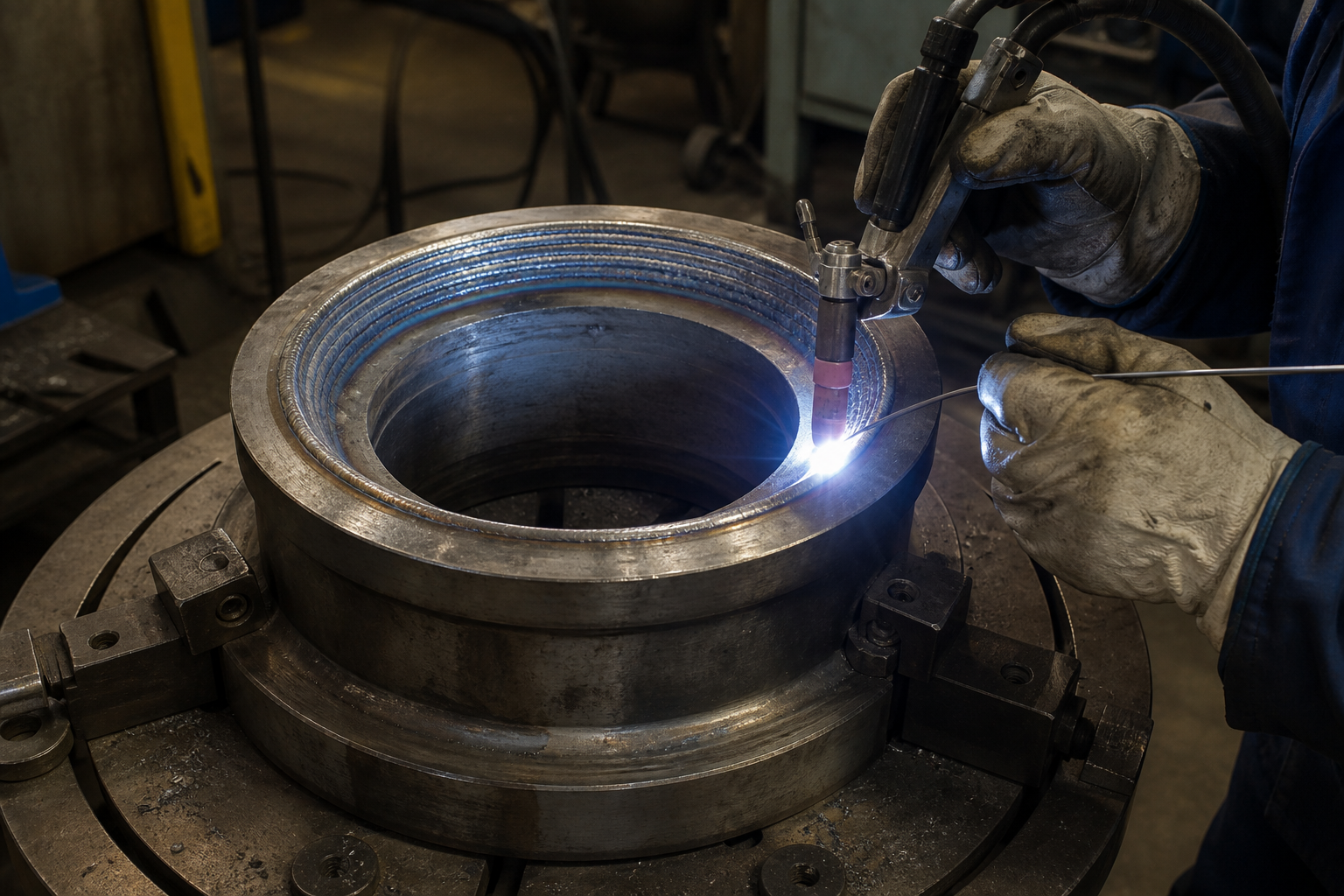
For welded or clad surfaces, dilution and heat input are especially important. Too much dilution can reduce the abrasive-wear advantage that justified Stellite 12 in the first place, while poor thermal control can increase cracking risk.
Application Boundaries
Stellite 12 is not a universal upgrade. Avoid choosing it only because it is harder. If the service includes heavy impact, misalignment, thermal shock, corrosion as the main damage driver, or a counterface that cannot handle a harder cobalt alloy, Stellite 6 or another grade may give a more stable result.
FAQ
Is Stellite 12 harder than Stellite 6?
Usually yes. Stellite 12 is generally selected for higher hardness and stronger abrasive wear resistance, although final hardness depends on product form and process.
Does Stellite 12 always last longer than Stellite 6?
No. It can last longer in severe abrasive wear, but it may be less suitable where impact, cracking, corrosion, or mixed service behavior controls failure.
Can Stellite 12 be hardfaced?
Yes, but process control matters. The higher hardness and wear focus can increase cracking and finishing challenges compared with Stellite 6.
Is Stellite 12 suitable for valve seats?
It can be used in selected valve seat applications, especially high-wear service, but Stellite 6 is often preferred when anti-galling, toughness, and general reliability are more important.
What is the main difference between Stellite 12 and Stellite 6?
Stellite 12 is more wear-focused and harder. Stellite 6 is more balanced and more widely used where the failure mode is mixed or not fully predictable.
Conclusion
Choose Stellite 12 over Stellite 6 when the working surface is losing material through severe abrasion, high-pressure sliding, or hot wear, and when the design can tolerate the added hardness and lower forgiveness. Stay with Stellite 6 when the service condition needs a broader balance of wear resistance, anti-galling behavior, toughness, corrosion resistance, manufacturability, and cost control.