
Searching for a Stellite supplier in China feels overwhelming. You are getting many quotes, but you don’t know who to trust or if they can actually make your specific part.
The best way is to partner with a sourcing specialist like us at STECO. We connect you to a network of pre-vetted Chinese manufacturers, each specializing in different Stellite products and processes. This ensures you get the right expertise for your parts without the hassle.
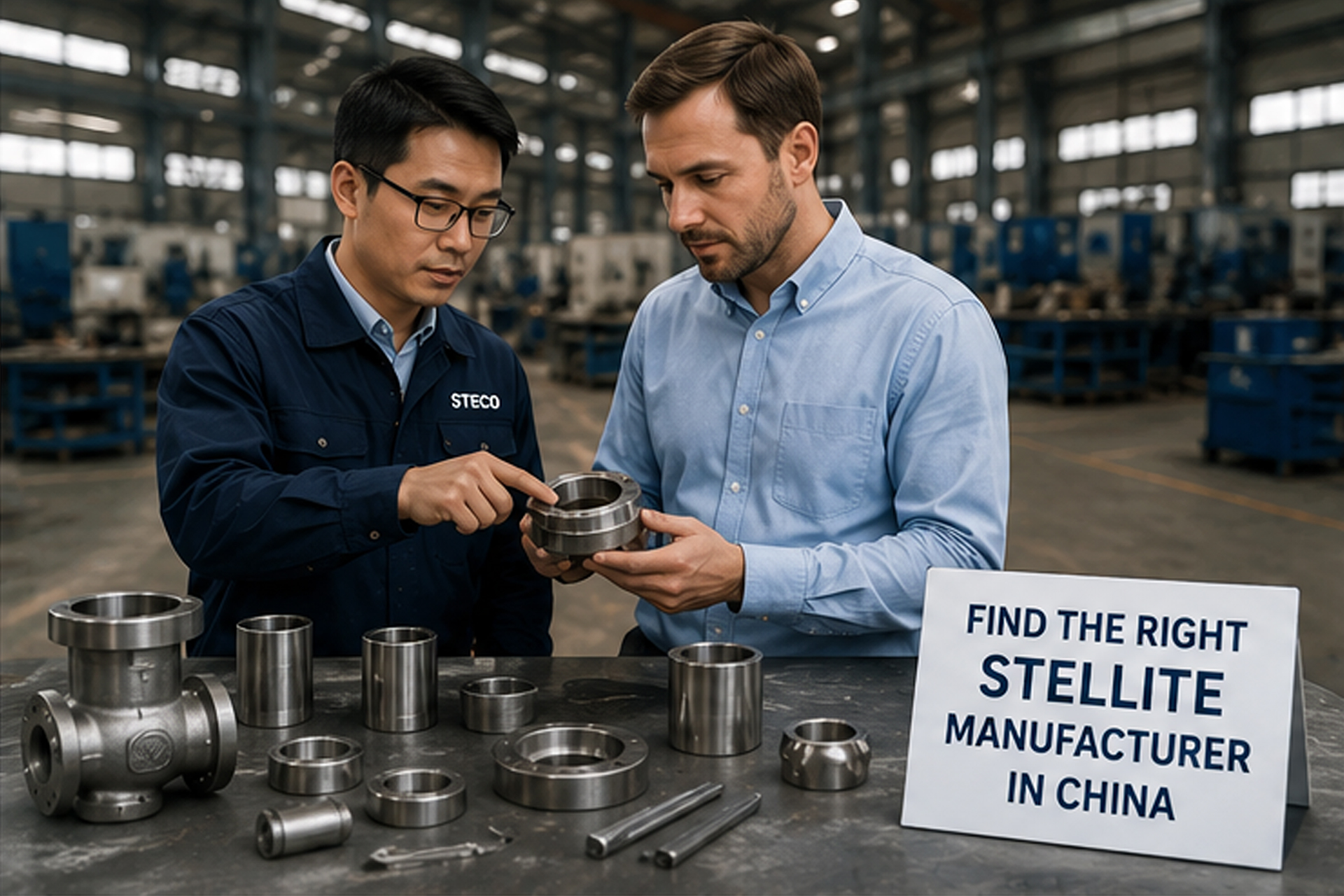
You might think that finding a Stellite manufacturer is just about comparing prices. Many buyers believe that any factory making cobalt alloys can produce any part they need. This is a common and often costly mistake. The reality of manufacturing in China is that factories are highly specialized. Understanding this specialization is the first step to successful sourcing. Let’s break down why this matters and how it directly impacts your search for the right supplier.
Why Can’t One Factory Make All Stellite Products?
You found a factory with a great price for Stellite welding rods. Now you need a machined valve seat. You assume they can do both, but they can’t. This is frustrating.
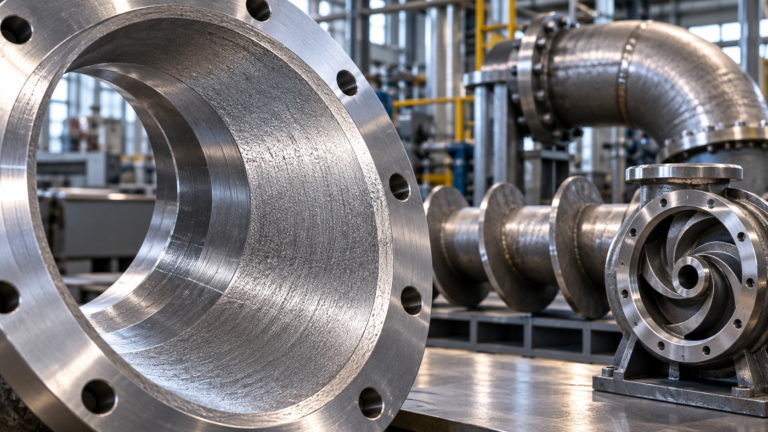
Stellite manufacturing in China is highly specialized. A factory that is an expert in casting large parts lacks the precision machines for small components. Another specializing in welding powders will not have the equipment for hardfacing services. Choosing a specialist for each job is key.
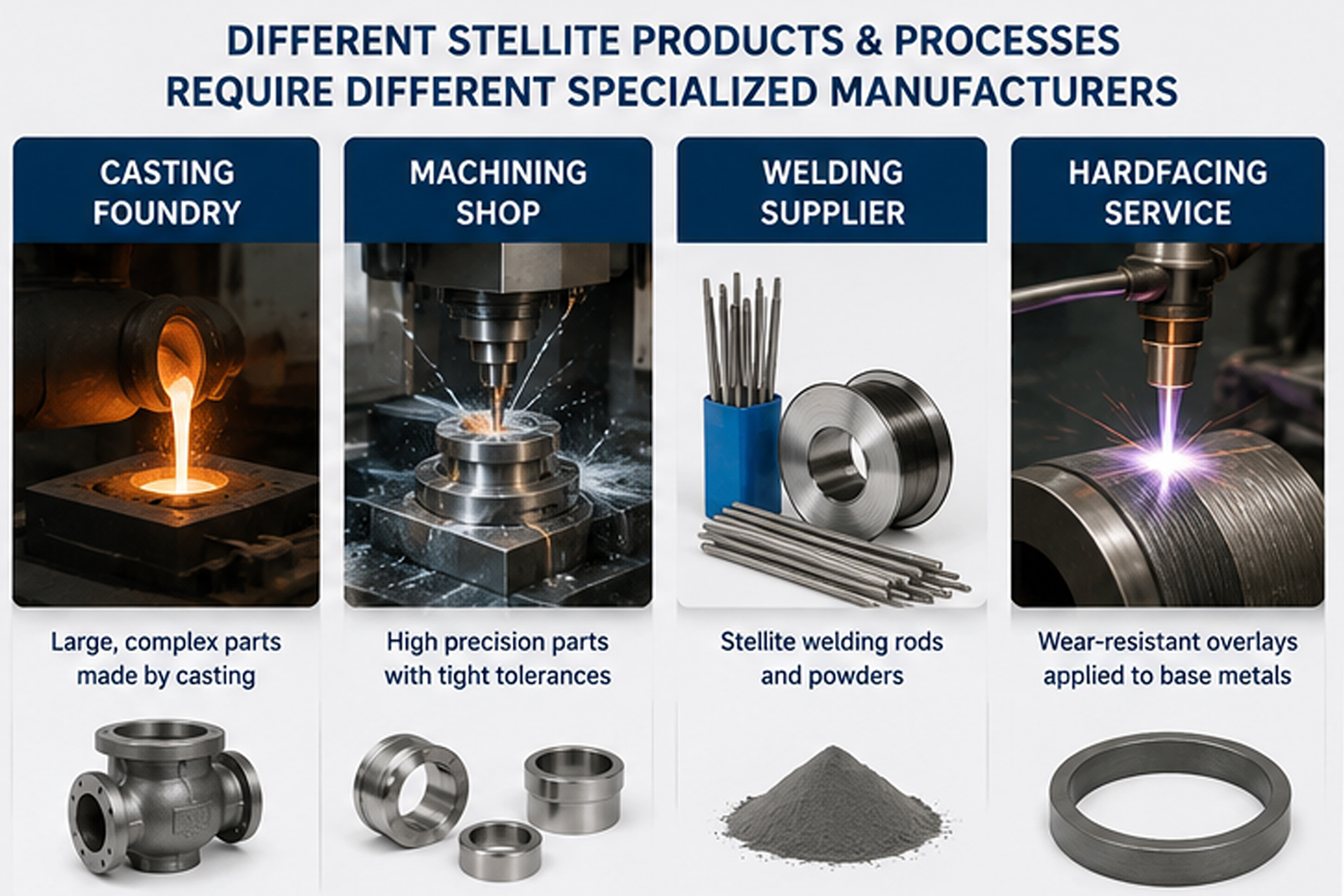
The reason for this specialization is simple: the equipment, skills, and processes are completely different. I once had a client who tried to get a casting foundry to make a high-precision bushing. The foundry tried, but the final part couldn’t meet the tight tolerances. They wasted months and money before coming to us. We immediately understood the problem. The job required a precision machine shop, not a foundry. We sent the project to our specialized machining partner. The client received the correct parts within weeks. This experience highlights the deep divisions in manufacturing capabilities.
Process Specialization
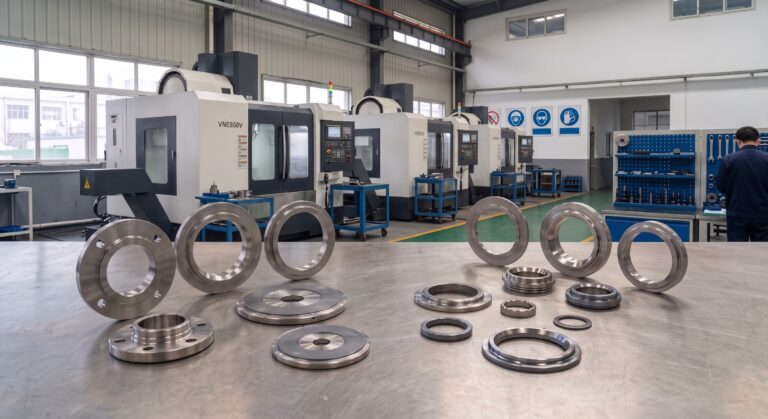
A casting foundry uses large furnaces and molds. Their expertise is in pouring molten metal to create complex shapes. A machine shop uses CNC machines and grinders. Their skill is in cutting metal to achieve tight tolerances and smooth surfaces. They are two different worlds.
Product Form Specialization
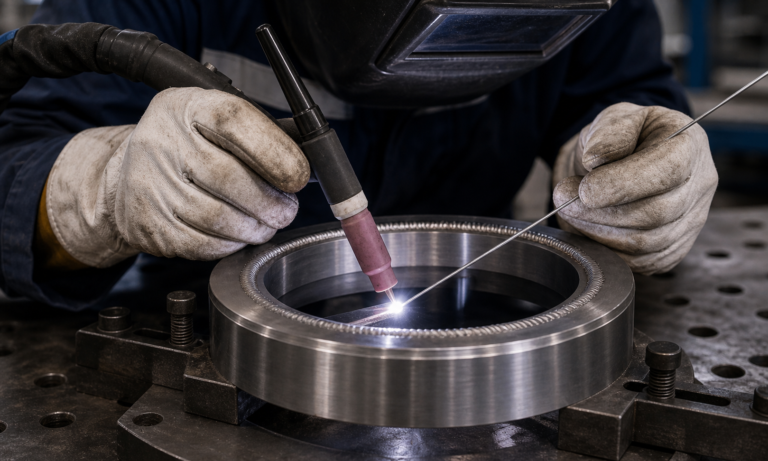
Similarly, a company that makes Stellite powder through atomization has different equipment and knowledge than a company that casts those powders into solid welding rods. And neither of them may have the PTA welding torches or robotic arms to provide hardfacing services.
| Production Type | Strengths | Limitations |
|---|---|---|
| Casting Foundry | Large, complex shapes; Cost-effective for volume | Lower precision; Requires secondary machining |
| Machine Shop | High precision; Tight tolerances; Fine finishes | Limited by initial material form; Can be costly |
| Welding Supplier | Welding consumables, rods, powders | Does not produce finished cast or machined parts |
| Hardfacing Service | Applies wear-resistant overlays to base metals | Dependent on customer-supplied parts; Not a part maker |
What Are the Risks of Sourcing Directly From Factories?
You think you are saving money by going directly to multiple factories. But now you are juggling different contacts, quality issues, and language barriers. It is becoming a full-time job.
Sourcing directly from multiple specialized factories increases your workload and risk. You face higher communication costs, repeated qualification processes for each supplier, and potential quality inconsistencies. Managing logistics and inspections for each one becomes a complex, time-consuming task.
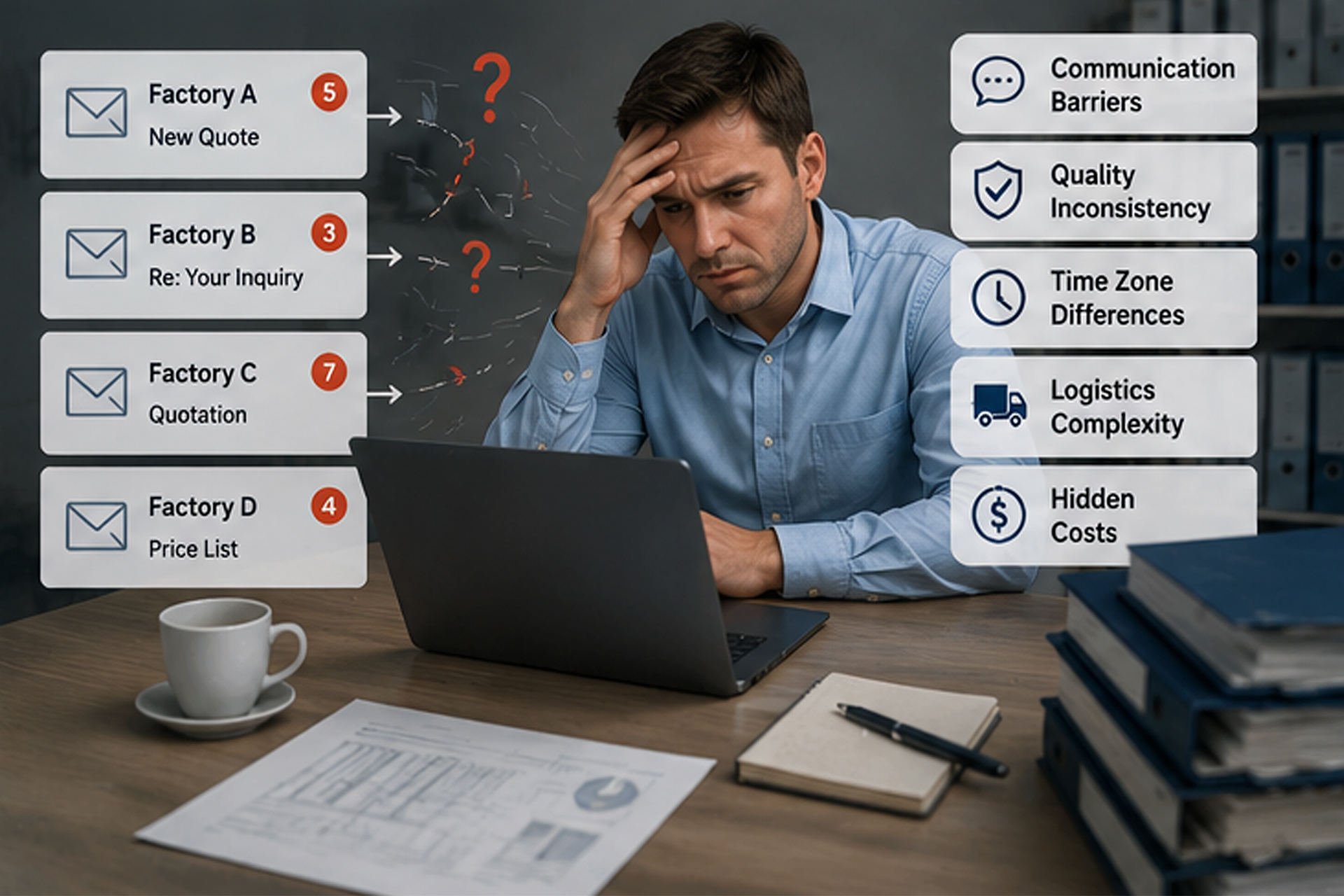
The “price” on a quote is never the true final cost when you source directly. You must account for the hidden costs of your own time and resources.
Communication Overload
You have to explain your technical drawings and specifications to each factory. You must overcome language barriers and time zone differences. A small misunderstanding can lead to a big production error. With us, you explain your needs once. We handle all the technical communication with the right factories.
Quality Control Challenges
How do you ensure consistent quality from three different suppliers? Each factory has its own quality standards and processes. You might need to hire a separate inspection agent for each shipment, which adds cost and complexity. We act as your single quality controller. We perform pre-shipment inspections for every order, ensuring everything from material certification to dimensional accuracy meets your standards before it leaves China.
Logistical Nightmares
Imagine coordinating pickups from three factories in different provinces. Then you must consolidate the cargo, manage three sets of export documents, and track three separate shipments. It’s a huge headache. We solve this by consolidating everything for you. Your parts from different specialist producers arrive in one single, organized shipment. This drastically simplifies your logistics and receiving process.
How Does STECO Make Sourcing Easier and Safer?
You need the right Stellite part, at the right price, without the risk. But navigating the Chinese market feels like a minefield. You feel stuck and unsure of the next step.
STECO acts as your single point of contact. We match your project to the ideal manufacturer in our vetted network. We manage communication, coordinate production, ensure quality, and handle all export logistics. You get the best solution without the complexity.
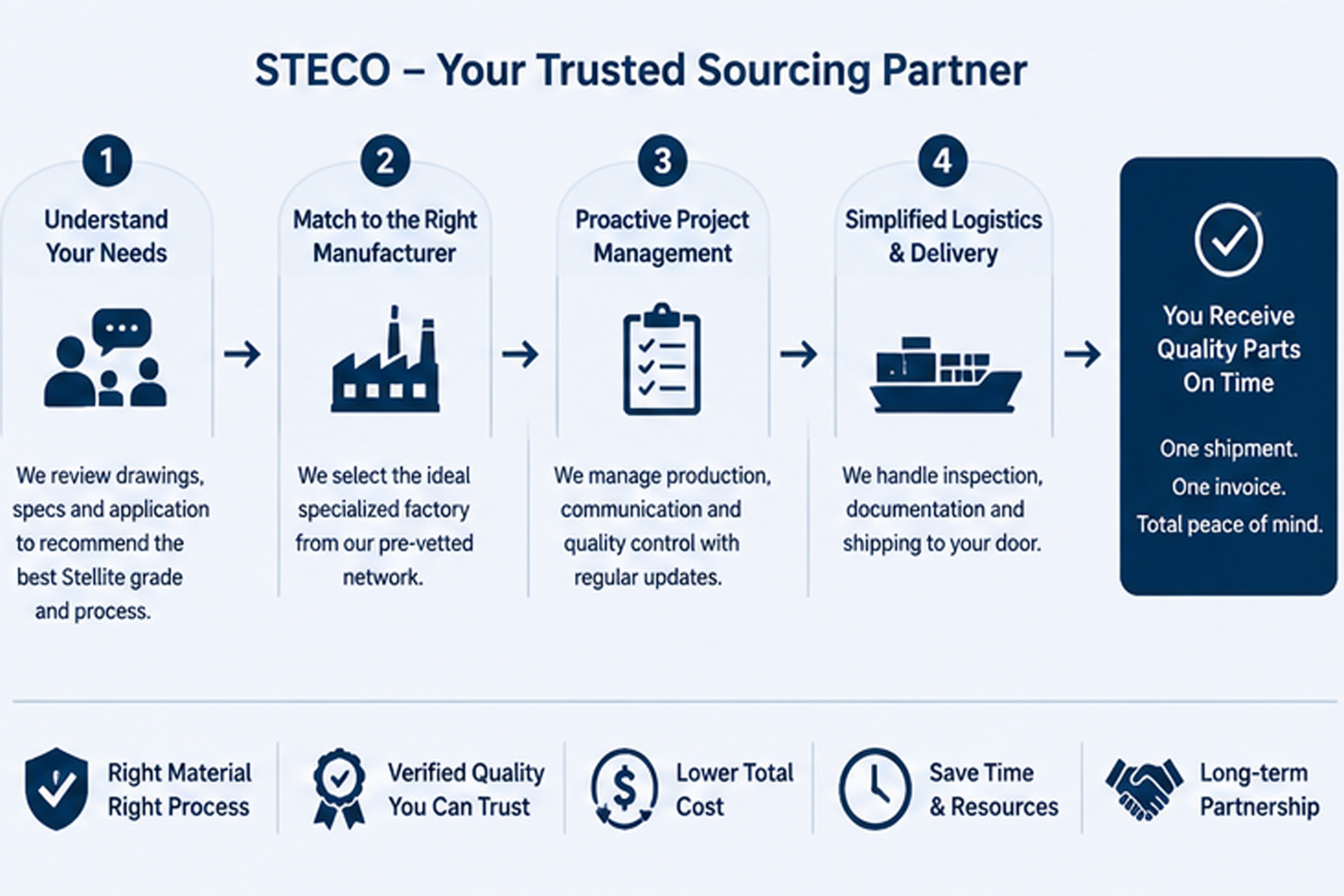
Our process is designed to remove the burdens of direct sourcing from your shoulders. We become your team on the ground in China, managing the details so you can focus on your business. Here is how we do it.
Step 1: Understanding Your Needs
It always starts with you. We review your drawings, specifications, and most importantly, the application. We ask where the part will be used and what kind of wear it will face. This deep understanding allows us to recommend the best Stellite grade and manufacturing process, not just quote a price on a drawing.
Step 2: Matching to the Right Partner
With a clear understanding of your needs, we select the perfect factory from our pre-qualified network. If you need a large cast valve body, we go to our casting partner. If you need a small, high-precision seal ring, we go to our machining specialist. This matching process is our core value. We connect the right job to the right expert.
Step 3: Proactive Project Management
We don’t just place the order and wait. We manage the entire project. This includes technical communication with the factory engineers, monitoring the production schedule, and providing you with regular updates. We perform in-process and final inspections to ensure everything is perfect.
Step 4: Simplified Logistics and Delivery
Once production is complete and the parts have passed our inspection, we handle everything else. We consolidate orders from different suppliers if needed. We prepare all the export documentation and manage the entire shipping process to your door. You receive one consolidated shipment and one simple invoice.
Conclusion
Finding the right Chinese Stellite manufacturer is complex. We simplify this process by matching your specific needs with our network of specialists, reducing your risks and ensuring quality.