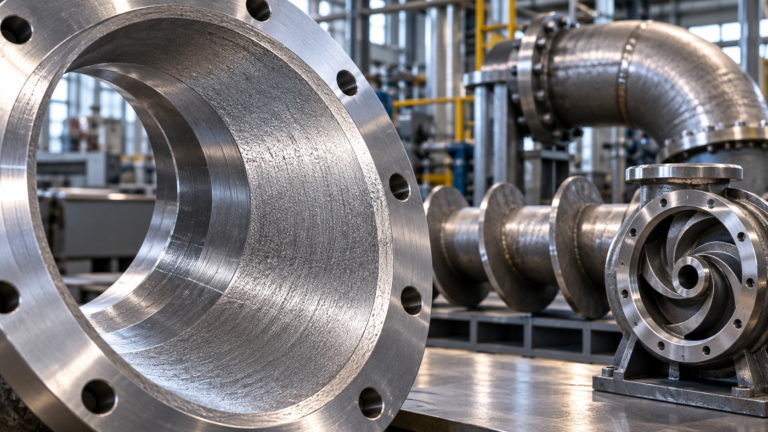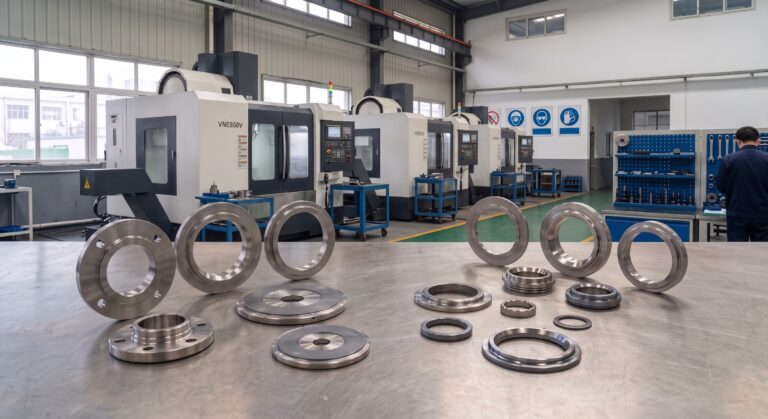

Your butterfly valves are failing too quickly. This causes expensive downtime and constant maintenance headaches. You need a material that can withstand the toughest conditions and keep your operations running smoothly.
Stellite alloy is ideal for butterfly valves because its unique combination of wear, corrosion, and high-temperature resistance dramatically extends the valve’s service life. It provides a superior sealing surface that maintains integrity in harsh industrial environments, reducing leaks and maintenance costs significantly.
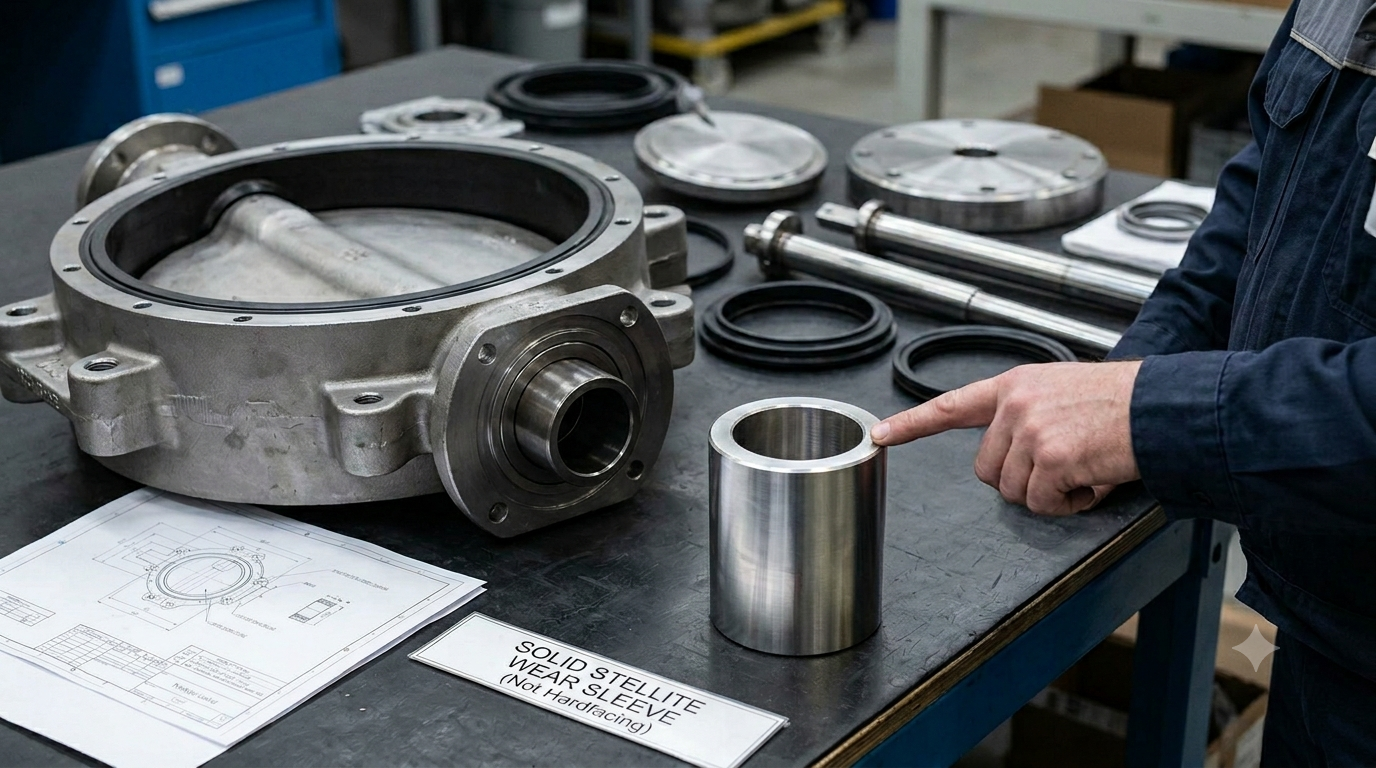
When I first started in this business, I saw many companies struggling with valve failures. They were replacing components far too often, and it was costing them a fortune. They thought it was just a normal part of their operations. But then they discovered how a simple material change could solve their biggest headaches. You might be surprised to learn how this works.
How does Stellite improve butterfly valve seat performance?
Your valve seats are failing and causing leaks. This leads to inefficient operations and forces you into frequent, costly shutdowns for repairs. You need a more reliable solution.
Stellite provides a hard, dense, and corrosion-resistant surface for butterfly valve seats. This prevents common failure modes like galling, erosion, and leakage. The result is a consistently tight seal that dramatically extends the valve’s operational life, especially in demanding applications.
A butterfly valve is only as good as its seal. The seat is where the disc closes to stop the flow, and it’s a major point of failure. In many industrial processes, the fluid isn’t just water; it can be abrasive, corrosive, or extremely hot. Standard metal or even some hardened steel seats just can’t hold up.
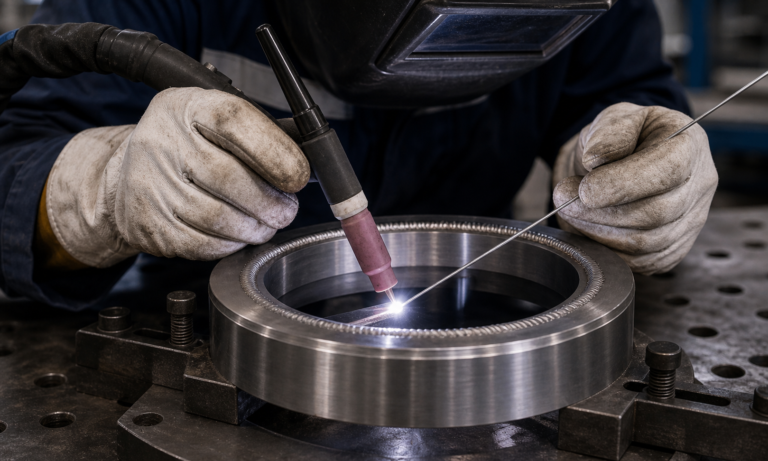
This is where Stellite makes a huge difference. By applying a layer of Stellite alloy to the seat area, usually through a process like PTA welding, we create a surface that is incredibly resilient. This Stellite facing resists the constant friction and impact from the valve disc closing. It also fights off erosion from high-velocity fluids and abrasion from solid particles in the flow.
Because Stellite maintains its hardness at high temperatures, the seal remains tight even in steam or hot chemical lines. This prevents leaks, improves process control, and keeps the valve working reliably for much longer.
| Feature | Standard Metal Seat | Stellite-Faced Seat |
|---|---|---|
| Wear Resistance | Moderate | Excellent |
| Corrosion Resistance | Good | Excellent |
| High-Temp Sealing | Poor to Fair | Excellent |
| Service Life | Shorter | Significantly Longer |
| Maintenance Needs | Frequent | Infrequent |
What makes Stellite better than stainless steel for valve components?
You might be using stainless steel for your critical valve components. But it often fails under extreme heat or in abrasive flows, leading to unplanned downtime and replacement costs.
Stellite is better because it maintains its extreme hardness and strength at high temperatures where stainless steels soften and wear out. Its superior resistance to both corrosion and galling under pressure makes it a far more durable choice for the most demanding valve applications.
I get this question a lot from procurement managers. Stainless steel, like 316, is a great general-purpose material, but it has limits. When you move into high-performance applications, those limits become very clear.
The biggest difference is something we call “hot hardness.” At room temperature, a hardened stainless steel might seem strong. But as you heat it up to 500°C or 600°C, it loses a significant amount of that hardness. Stellite, on the other hand, was designed specifically to stay hard at high temperatures. Its cobalt-chromium base doesn’t soften easily.
This is critical in power plants or chemical processing where valves handle hot gases or liquids. Another key area is galling resistance. Galling happens when two metal surfaces slide against each other under high pressure, causing them to seize up. Butterfly valve stems and seats are prone to this.
Stellite is inherently resistant to galling, while stainless steel can be very susceptible to it. I once worked with a client in the oil and gas sector who was replacing stainless steel valve internals every six months. After we helped them switch to Stellite 6 components, their service interval extended to over two years. The upfront cost was higher, but the savings in downtime and labor were massive.
| Property | 316 Stainless Steel | Stellite 6 |
|---|---|---|
| Hot Hardness (at 600°C) | Low (Softens) | High (Retains Hardness) |
| Galling Resistance | Poor | Excellent |
| Abrasion Resistance | Fair | Excellent |
| Ideal Use Case | General corrosive service | High temp, high pressure, abrasive |
Which Stellite grades are best for butterfly valve applications?
Choosing the wrong alloy grade is a simple but very expensive mistake. How can you be sure you are picking the right Stellite for your specific butterfly valve needs?
The best Stellite grade depends on your specific service conditions. Stellite 6 is the most popular all-around choice for general wear and corrosion. For higher abrasion, use Stellite 12. For severe corrosion or galling issues, Stellite 21 is often the preferred solution.
Not all Stellite is the same. The different grades are like different tools in a toolbox, each designed for a specific job. As a supplier, a big part of my job is helping engineers and procurement managers choose the right grade.
We always start by analyzing the application’s challenges. Is the main problem abrasion from particles, corrosion from chemicals, high temperature, or a combination?
Common Stellite Grades for Butterfly Valves
- Stellite 6: This is the workhorse of the Stellite family. It offers a fantastic balance of wear resistance, corrosion resistance, and hot hardness. It’s tough and not too brittle. For most industrial butterfly valve seats and disc edges, Stellite 6 is the go-to choice. It handles a wide range of conditions very well.
- Stellite 12: Think of this as a harder version of Stellite 6. It has more carbides in its structure, which gives it superior resistance to abrasion from hard particles, like in a slurry line. The trade-off is that it’s slightly less tough than Stellite 6. We recommend it for valve seats in mining or pulp and paper applications.
- Stellite 21: This grade provides excellent corrosion resistance and galling resistance. It is often selected for applications involving aggressive chemicals and severe corrosive environments.
Choosing correctly prevents over-engineering and unnecessary costs. More importantly, it helps avoid premature failures caused by selecting an alloy grade that is not suitable for the actual operating environment.
Conclusion
Stellite alloy transforms standard butterfly valves into highly durable, long-lasting industrial components. Its outstanding resistance to wear, corrosion, and high temperatures reduces maintenance frequency, improves reliability, and lowers long-term operating costs in severe service applications