
Your oil and gas valves are failing too soon. The constant downtime and replacement costs are hurting your operations. You need a material that can withstand the harshest conditions.
Stellite 6 is a cobalt-chromium alloy perfect for oil and gas valve parts. It is widely used for valve seats, balls, plugs, stems, and cages because of its excellent resistance to wear, corrosion, and high temperatures. This significantly extends valve service life and improves operational reliability in severe environments.
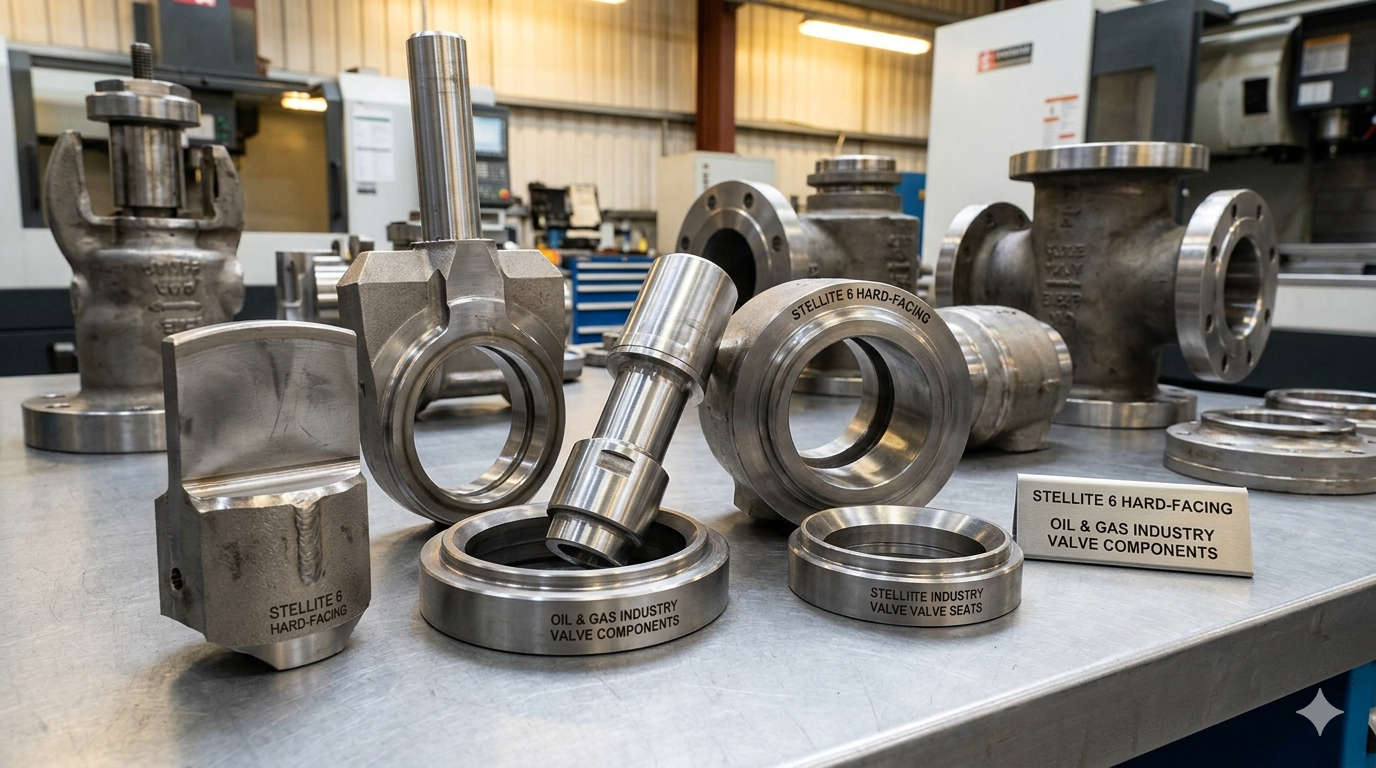
You can immediately see why Stellite 6 is so valuable in oil and gas applications. But understanding exactly where it is used inside a valve helps engineers and procurement managers make smarter decisions when selecting components. Let’s look at the most common applications one by one.
How Do Stellite 6 Seat Rings Improve Valve Sealing and Longevity?
Leaky valves create serious operational and safety problems. Production losses, fugitive emissions, and unplanned shutdowns often start with damaged seat rings.
Stellite 6 seat rings provide exceptional sealing performance because their high hardness resists erosion, abrasion, and galling. They maintain smooth sealing surfaces even in high-pressure, high-temperature, and abrasive service conditions.
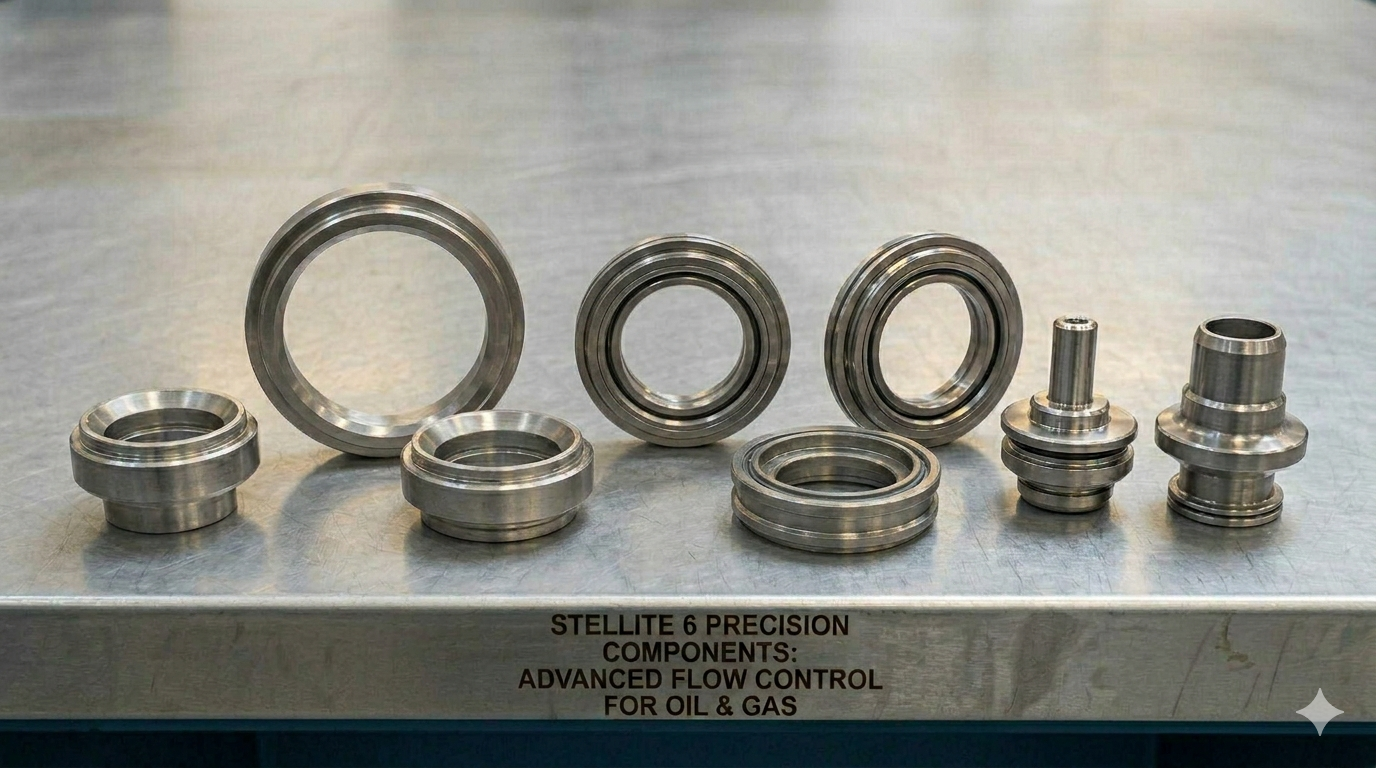
Valve seat rings are critical sealing components. They form the stationary sealing surface against the moving ball or plug. In oil and gas service, fluids frequently contain sand particles, corrosive chemicals, and high-pressure gas streams that quickly damage conventional materials.
Why Standard Steel Seat Rings Fail
Many industrial valves use stainless steel seat materials. While suitable for general applications, they often fail prematurely in severe service conditions.
- Erosion: Abrasive particles gradually wear away the sealing surface.
- Galling: Metal-to-metal contact under pressure causes surfaces to seize and tear.
- Corrosion: Sour gas (H₂S), chlorides, and seawater attack the material over time.
The Advantages of Stellite 6 Seat Rings
| Property | 316 Stainless Steel | Stellite 6 | Benefit for Seat Rings |
|---|---|---|---|
| Hardness (HRC) | ~20 HRC | ~40 HRC | Superior resistance to wear and erosion |
| Corrosion Resistance | Good | Excellent | Better resistance to sour gas and chlorides |
| Galling Resistance | Poor | Excellent | Prevents sealing surface damage |
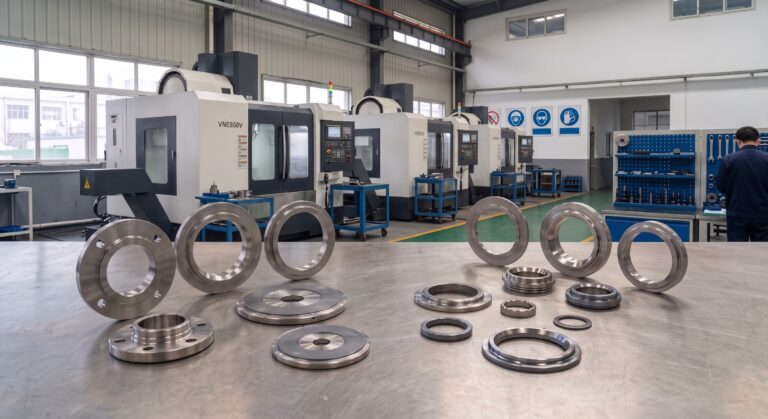
High-quality Stellite 6 seat rings are typically precision machined from castings or forged blanks to ensure accurate dimensions, smooth surface finishes, and reliable sealing performance.
Why Are Stellite 6 Balls and Plugs the Standard for Severe Service Valves?
The ball or plug is constantly exposed to high-velocity flow, pressure fluctuations, and abrasive media. Any damage directly affects valve performance and sealing capability.
Stellite 6 balls and plugs are widely used in severe service valves because they resist erosion, corrosion, and galling. Their hard and smooth surfaces maintain precise sealing and flow control over long operating periods.
Ball valves and plug valves rely on smooth surface finishes to ensure reliable shutoff. Abrasive particles, cavitation, and corrosive fluids can rapidly damage standard metal surfaces, leading to leakage and operational instability.
Solid Stellite vs Stellite Overlay
There are two common approaches for manufacturing Stellite valve balls and plugs:
- Solid Stellite 6 Components: The entire component is manufactured from Stellite alloy for maximum durability in extremely harsh environments.
- Stellite 6 Hardfacing Overlay: A wear-resistant Stellite layer is welded onto a stainless steel substrate for a more cost-effective solution.
In highly abrasive oil sands applications, many operators switch from stainless steel to solid Stellite 6 valve components to dramatically increase service life and reduce maintenance frequency.
What Makes Stellite 6 Overlays Ideal for Protecting Valve Stems?
Valve stems continuously move against packing seals, creating friction and wear. Stem damage often causes fugitive emissions and difficult-to-repair leakage problems.
Stellite 6 overlays create an extremely hard and corrosion-resistant stem surface. This minimizes wear from packing friction and protects the stem against aggressive process media.
The valve stem connects the actuator to the internal sealing mechanism. Because the stem constantly rotates or moves linearly through packing seals, it experiences significant mechanical wear over time.
Why Hardfacing Is Effective
Instead of manufacturing the entire stem from expensive cobalt alloy, only the critical wear surfaces are protected using Stellite hardfacing overlays. This provides excellent performance while controlling overall component cost.
Common Stellite Hardfacing Methods
| Method | Description | Advantages |
|---|---|---|
| PTA Welding | Plasma transferred arc deposits Stellite powder | Dense overlay with low dilution and smooth finish |
| Laser Cladding | Laser melts alloy powder onto the surface | Precise control and minimal heat input |
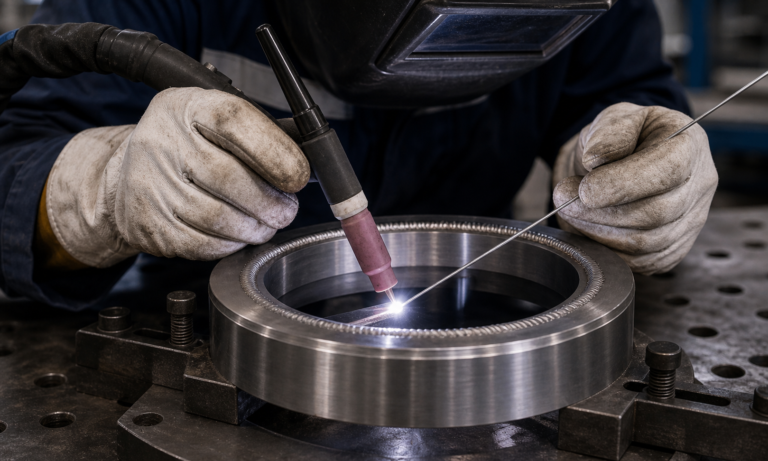
| TIG Welding | Manual welding using Stellite rods | Suitable for repairs and complex shapes |
PTA welding is especially popular for high-performance oil and gas valve stems because it creates consistent, high-quality overlays with excellent metallurgical bonding.
How Do Stellite 6 Cages Enhance Control Valve Performance?
Control valve cages face severe cavitation, high-velocity flow, and intense pressure drops. Conventional materials often fail rapidly under these extreme operating conditions.
Stellite 6 cages offer exceptional resistance to cavitation, erosion, and high-temperature wear. This allows control valves to maintain accurate flow control and longer operational life in severe service applications.
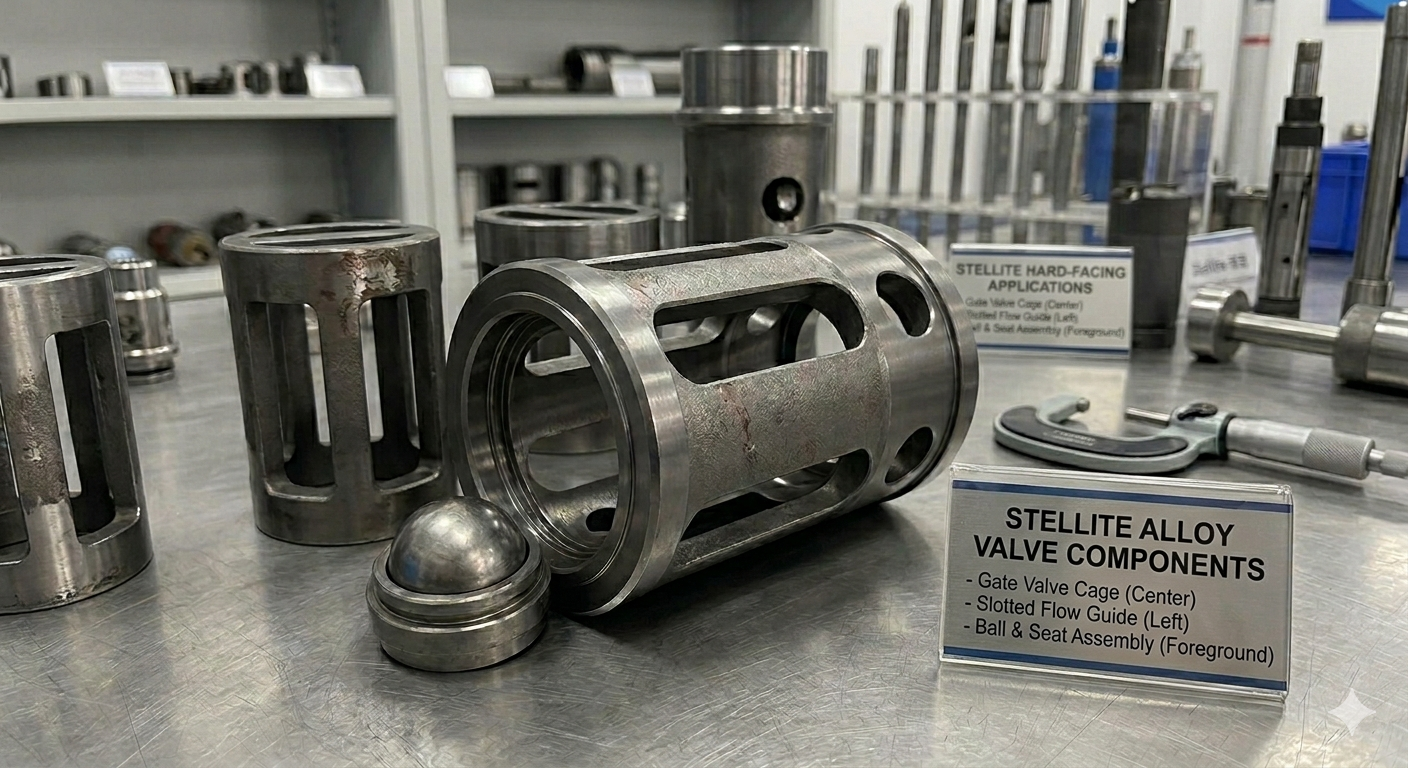
Control valve cages regulate fluid flow characteristics and guide internal valve movement. In severe service applications, pressure drops across the cage create extreme turbulence and cavitation damage.
The Challenge of Cavitation
Cavitation occurs when vapor bubbles form and violently collapse against metal surfaces. This creates repeated micro-impacts that rapidly destroy softer materials.
Stellite 6 performs exceptionally well in cavitation environments because its hardness and toughness resist surface pitting and erosion far better than standard stainless steels.
Manufacturing Complex Valve Cages
Producing Stellite 6 cages requires advanced manufacturing capabilities.
- Investment Casting: Ideal for producing complex cage geometries with high dimensional accuracy.
- Precision Machining: Ensures critical tolerances and smooth flow surfaces.
- Quality Inspection: Final dimensional and hardness inspections guarantee reliable assembly and performance.
Custom Stellite 6 cages are commonly used in severe service control valves within refineries, petrochemical plants, LNG facilities, and offshore platforms.
Conclusion
Stellite 6 significantly improves the reliability and service life of oil and gas valve components. Whether used in seat rings, balls, plugs, stems, or cages, it delivers outstanding resistance to wear, corrosion, cavitation, and high temperatures, making it one of the best material choices for severe service valve applications.