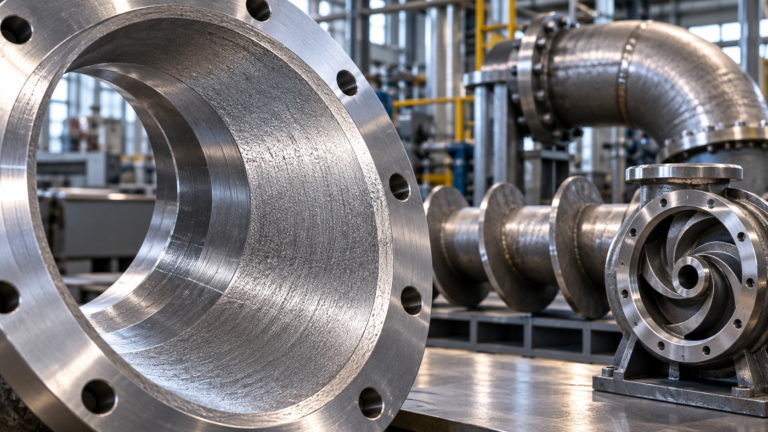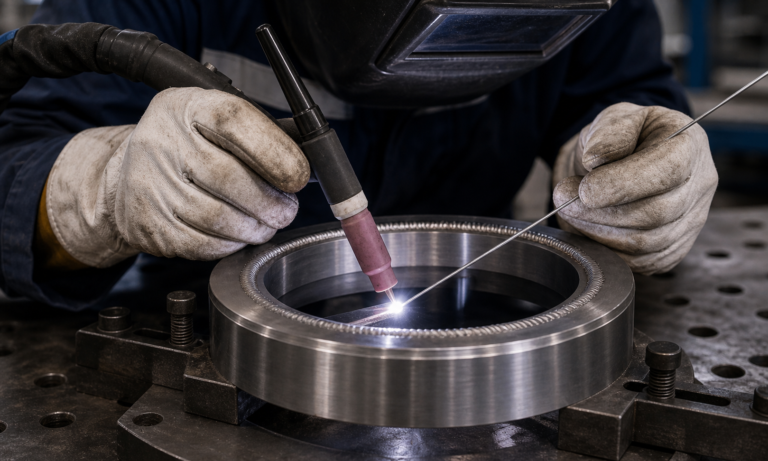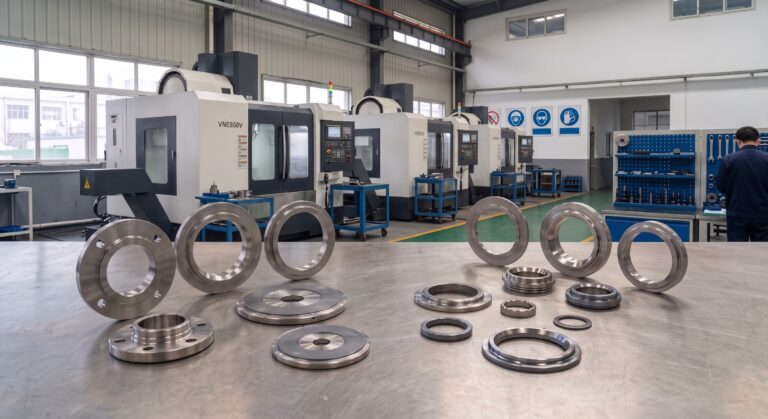

Struggling with inconsistent Stellite quality from China? This uncertainty can cause costly equipment failures and project delays. You need a supplier you can truly depend on.
To choose a reliable Stellite supplier in China, you must verify their technical capabilities, audit their quality control processes, and assess their supply chain management. Prioritize suppliers with strong communication skills and experience in your specific industry application for the best results.
I remember a project manager from an oil and gas company who came to us. His team was facing a major shutdown because a critical valve component, sourced from another supplier, failed prematurely. This experience taught him that sourcing Stellite isn’t just about finding the lowest price. It’s about finding a partner who understands the stakes. Let’s break down how to find a partner you can trust, so you can avoid those costly failures and frustrating delays.
What Technical Capabilities Should You Verify?
Received Stellite parts that don’t match your drawings? These technical errors can halt your production line and waste your budget. You must ensure your supplier has the right capabilities from the start.
A reliable Stellite supplier must demonstrate strong technical capabilities. This includes proven expertise in various manufacturing processes like casting and welding, the ability to work from complex technical drawings, and a deep understanding of cobalt alloy properties for different industrial applications.
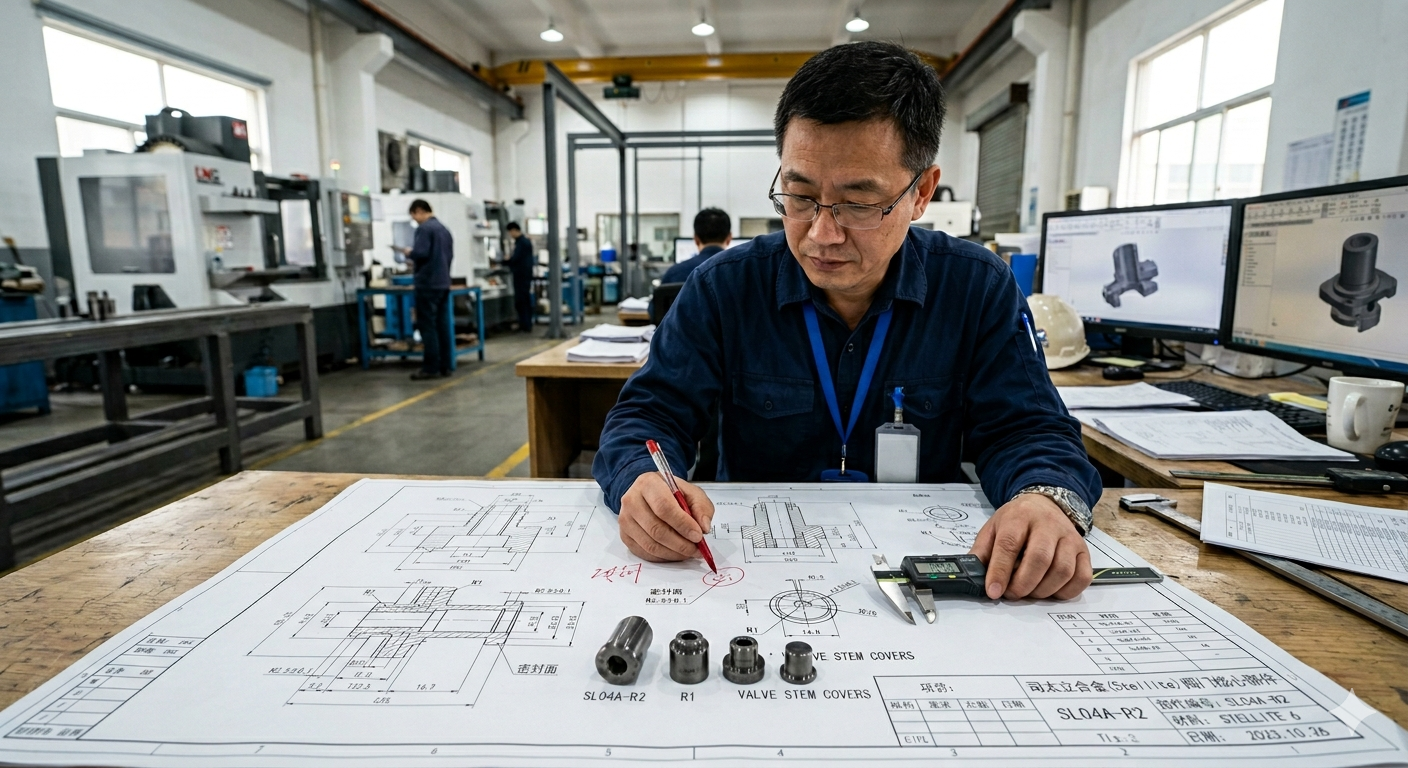
When we talk about technical capability, we’re going beyond just saying “we can make Stellite.” A true partner needs to understand the nuances of what you’re trying to achieve. They should be able to discuss the pros and cons of different manufacturing methods and how they affect the final part’s performance in your specific environment.
Understanding Manufacturing Processes
Stellite parts are not all made the same way. The right process depends entirely on the part’s function, size, and complexity. A good supplier can guide you through these options. They won’t just take an order; they will ask questions to make sure the chosen process is the best fit.
| Manufacturing Process | Best For | Considerations |
|---|---|---|
| Investment Casting | Complex shapes, valve components, bushings | Excellent surface finish and dimensional accuracy |
| Powder Metallurgy (PM) | Small, intricate parts, saw tips | High material utilization and efficient mass production |
| PTA / HVOF Welding | Hardfacing overlays on base metals | Cost-effective wear-resistant surface solution |
| Machining from Bar Stock | Simple shapes, shafts, rods | High precision for prototypes or low-volume production |
Customization is Key
Your supplier must be comfortable working from your technical drawings, samples, or even just application requirements. They should be able to translate your needs into a finished product.
For example, we often work with clients who have a worn-out part but no original drawings. Our job is to reverse-engineer it, select the right cobalt alloy grade, and coordinate the production of a new, more durable replacement. This level of custom support is a strong indicator of technical expertise.
How Can You Assess a Supplier’s Quality Control System?
Are you worried about hidden defects in your alloy components? Poor quality control leads to premature wear and unexpected failures. You need a supplier with a transparent and rigorous inspection process.
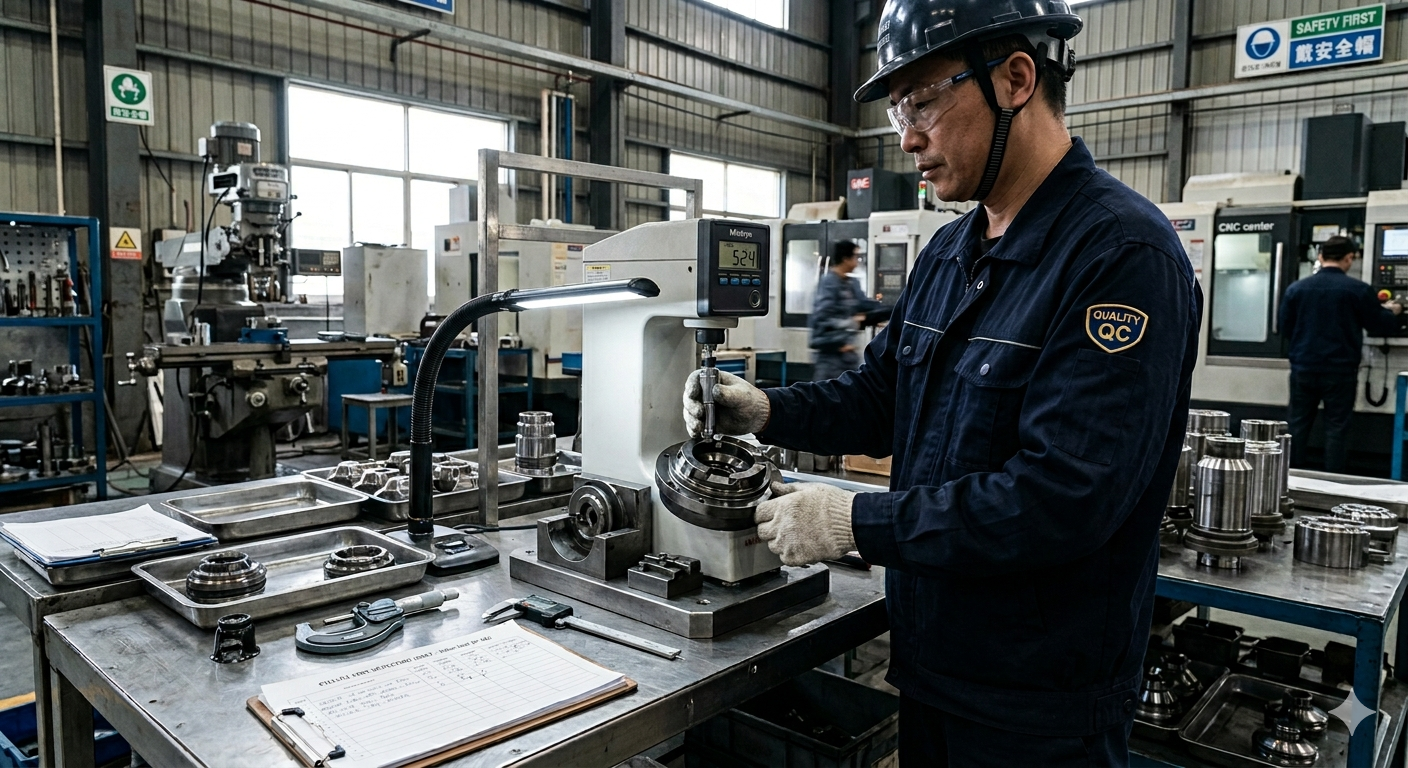
Assess a supplier’s quality control by reviewing certifications like ISO 9001, requesting material test reports (MTRs), and asking about their inspection procedures. Reliable suppliers perform dimensional checks, hardness testing, appearance inspection, and provide full documentation before shipment.
Quality control is not a step you can afford to skip, especially with high-performance materials like Stellite. I once saw a batch of pump sleeves that looked perfect on the outside but failed within weeks because the supplier skipped the material composition check. A good quality system catches these issues before the parts leave the factory.
Key Inspection Steps
A comprehensive QC process is your safety net. You should expect your supplier to provide clear evidence of these checks.
| Inspection Point | Method / Tool | Acceptance Criteria |
|---|---|---|
| Material Composition | Spectrometer Analysis | Matches specified alloy grade |
| Hardness | Rockwell Hardness Tester | Within specified HRC range |
| Dimensional Accuracy | Calipers / CMM | Matches drawing tolerances |
| Surface Finish | Surface Roughness Tester | Meets specified Ra value |
| Visual Inspection | Manual Visual Check | No cracks, porosity, or defects |
The Importance of Documentation
Always ask for supporting documentation, including material test reports (MTRs), dimensional inspection reports, and hardness test records. A reliable supplier will provide these proactively and will not ship parts until inspections are completed and approved.
Why is Supply Chain Coordination So Important?
Are you tired of juggling multiple Chinese factories for one single project? This complexity creates delays, miscommunication, and endless headaches. A single point of contact can simplify your entire sourcing process.
Strong supply chain coordination is critical because Stellite production often requires multiple specialized suppliers for casting, machining, grinding, and finishing. A good sourcing partner integrates these processes to ensure quality consistency and on-time delivery.
The reality of manufacturing in China is that production is highly specialized. One factory may excel at investment casting, while another has the advanced CNC equipment required for precision machining.
Managing this process independently can quickly become overwhelming. Delays, communication gaps, and quality inconsistencies between suppliers can severely impact your project schedule.
The Challenge of Fragmented Production
| Sourcing Method | Your Responsibility | Potential Risks |
|---|---|---|
| Direct to Multiple Factories | Manage vendors, logistics, and inspections yourself | Miscommunication, delays, quality gaps |
| Using an Integrated Partner | Provide technical requirements to one supplier | Requires selecting the right partner |
The Value of an Integrated Partner
A sourcing partner simplifies the entire process by managing raw material procurement, casting, machining, inspections, packaging, and export coordination. Instead of dealing with several vendors, you work with one accountable partner responsible for quality and delivery.
This integrated approach reduces your workload, minimizes risk, and improves overall project efficiency.
What Communication and Service Standards Should You Expect?
Are you frustrated by language barriers and slow, unclear responses? Poor communication can completely derail technical requirements and delivery schedules.
You should expect prompt, clear, and technically accurate communication. A reliable supplier understands industrial terminology, provides proactive updates, and bridges the gap between engineering requirements and factory production.
Good communication is more than speaking English fluently. Your supplier should understand technical terms like galling, cavitation, hardness, and wear resistance. This technical fluency ensures your specifications are fully understood and properly executed.
Beyond Language: Technical Fluency
The best suppliers can actively contribute to your project by recommending better alloy grades, manufacturing methods, or design optimizations based on their experience. This transforms them from simple order-takers into valuable engineering partners.
Service From Start to Finish
Professional service should include:
- Fast response times to technical and commercial inquiries.
- Regular updates on production progress and delivery schedules.
- Support for prototypes, small batches, and large production orders.
- Export packaging, logistics coordination, and customs documentation.
A reliable supplier should make sourcing from China feel smooth and manageable, providing the same confidence and convenience you would expect from a local supplier.
Conclusion
Choosing a reliable Stellite supplier in China is about finding a true manufacturing partner. Focus on technical expertise, rigorous quality control, integrated supply chain management, and strong communication to ensure long-term project success and operational reliability.
If you are looking for a reliable partner to simplify your Stellite sourcing from China, please contact us.
Email: sales@stecometals.com
WhatsApp: +86 136 7477 1335