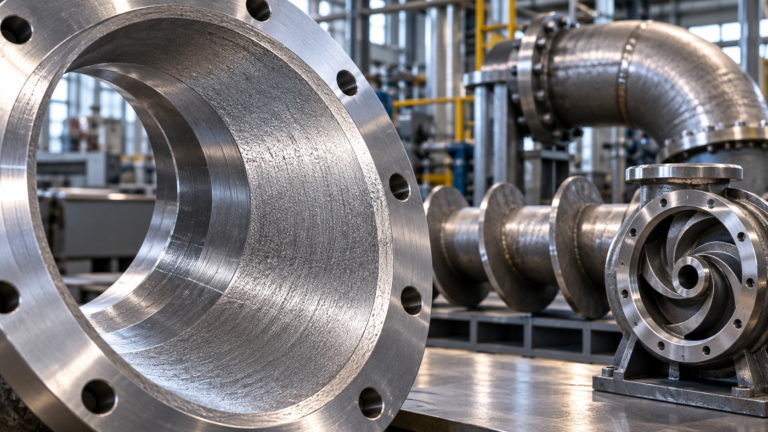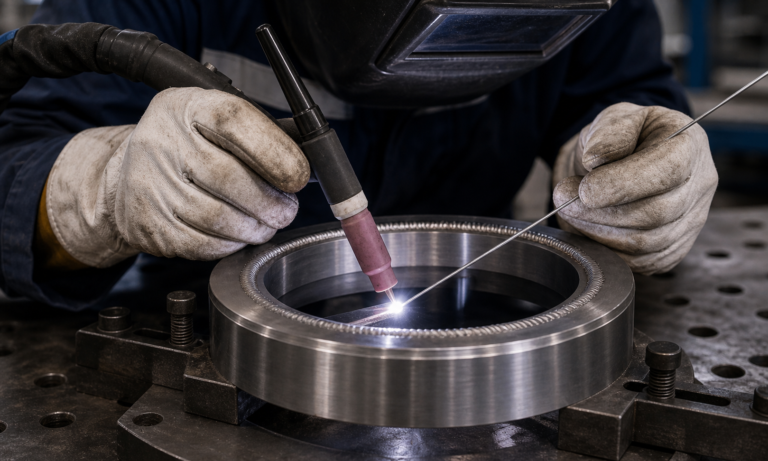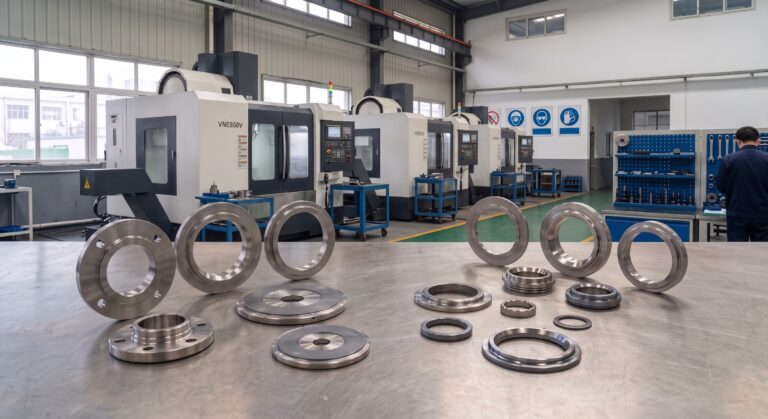

Your copper extrusion dies wear out too fast, causing costly downtime. This constant replacement cycle hurts your production schedule and profit margins. Stellite alloy dies provide a reliable, long-lasting solution.
Yes, Stellite extrusion dies are a top choice for continuous copper extrusion. Their unique cobalt-chromium alloy offers exceptional wear resistance and “hot hardness.” This means they maintain their strength at high temperatures, leading to a much longer service life and more consistent product quality.
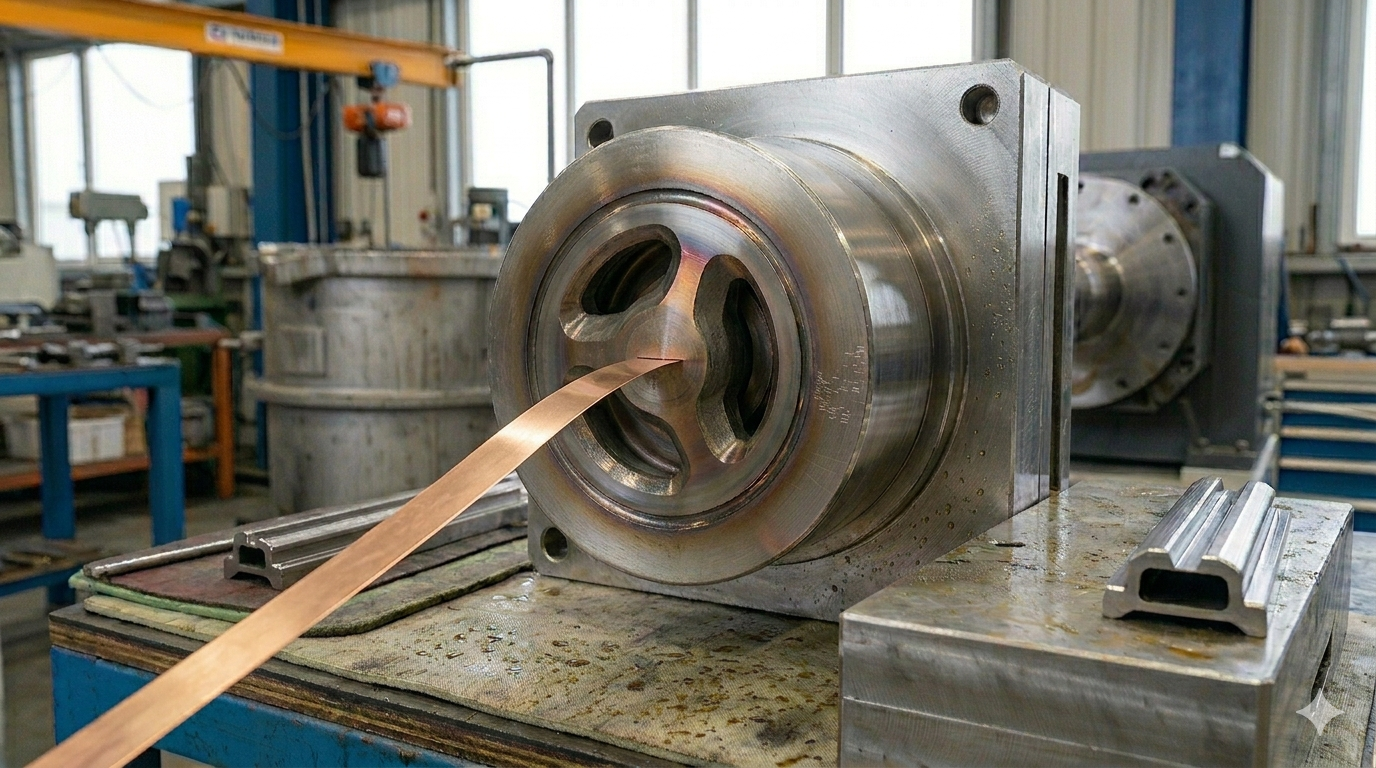
I’ve seen many clients struggle with standard dies. They would call me frustrated about frequent production halts. After they switched to Stellite, the feedback was always the same: a significant drop in downtime and a visible improvement in their final product. This isn’t just about buying a better part; it’s about making your whole operation more efficient and reliable. But what makes these alloys perform so well under such demanding conditions? Let’s dive into the details.
What makes Stellite alloys so good for high-temperature extrusion?
Are you tired of dies deforming or softening under intense heat? This compromises your extrusion accuracy and product quality. Our Stellite dies maintain their strength, even at extreme operating temperatures.
Stellite alloys excel in high-temperature extrusion because of their cobalt-chromium matrix. This structure provides outstanding “hot hardness.” The material stays hard and resists wear even when red-hot, which ensures dimensional stability and a long life during the continuous copper extrusion process.
I remember visiting a customer’s plant where they were running a continuous copper extrusion line. They showed me a Stellite die they had just removed from the machine. It was still glowing a dull red, yet when we measured it later, the dimensions were almost perfect. That’s the power of “hot hardness” in action. It’s the single most important property for a material in this application.
The Science of Hot Hardness
Hot hardness is a material’s ability to stay hard and resist deformation when it gets very hot. In continuous copper extrusion, temperatures can easily exceed 800°C (1472°F). At these temperatures, many standard tool steels will soften, lose their sharp edges, and wear out quickly. The cobalt base in Stellite alloys is key. It has a high melting point and creates a stable matrix. This matrix holds hard carbide particles (formed by tungsten and chromium) securely in place, even under intense heat and pressure. This is what prevents the die from wearing away.
Stellite vs. Tool Steels
When you compare Stellite to typical high-speed steels (HSS) used in some applications, the difference is clear. While HSS performs well at moderate temperatures, its hardness drops sharply as you approach the red-hot range. Stellite, on the other hand, maintains a high level of hardness.
| Material | Hardness at Room Temp (HRC) | Hardness at 800°C (HRC) | Key Feature |
|---|---|---|---|
| Stellite 6 | ~40 HRC | ~25 HRC | Excellent hot hardness and toughness |
| High-Speed Steel (HSS) | ~64 HRC | <10 HRC | Loses hardness rapidly at high heat |
This table shows that while HSS starts harder at room temperature, it becomes very soft under extrusion conditions. Stellite provides consistent, reliable wear resistance right where you need it most.
How do you choose the right Stellite alloy grade for your extrusion die?
Choosing the wrong alloy grade can lead to premature failure and wasted money. With several options available, it can be confusing. We help you select the perfect grade for your specific application.
To choose the right Stellite grade, you must consider the operating temperature, the specific copper alloy being extruded, and your desired die life. Stellite 6 is a great all-around choice, while Stellite 12 offers more abrasion resistance and Stellite 3 has the highest hardness.
A few years ago, a new client came to us. They were using Stellite 6 dies for a specific copper rod extrusion process and were only getting about half the service life they expected. After talking with their engineers, we learned they were dealing with some abrasive additives in their copper. We recommended they switch to Stellite 12, which has a higher concentration of hard carbides for better abrasion resistance. They made the change, and their die life more than doubled. It shows how a small change in grade can make a huge difference.
Understanding Common Stellite Grades
Not all Stellite alloys are the same. They are designed with different balances of hardness, toughness, and wear resistance. For extrusion dies, we mainly focus on three grades.
- Stellite 6: This is the industry workhorse. It offers a great balance of hardness, overall wear resistance, and excellent toughness. Its toughness helps it resist cracking from mechanical and thermal shock, making it a safe and reliable choice for many applications.
- Stellite 12: This grade contains more carbides than Stellite 6. This makes it harder and more resistant to abrasion and sliding wear. It’s slightly less tough than Stellite 6, but it is a great option when facing fine-particle abrasion.
- Stellite 3: This is the hardest and most wear-resistant of the three. It has the highest volume of carbides. We recommend this grade for extreme wear environments. However, its high hardness means it is more brittle and needs careful handling to avoid chipping or cracking.
Matching the Grade to Your Needs
| Grade | Hardness (HRC) | Key Characteristic | Best Use Case |
|---|---|---|---|
| Stellite 6 | ~40 | Balanced toughness and wear resistance | General purpose, good shock resistance |
| Stellite 12 | ~48 | Higher abrasion resistance | Extruding copper with abrasive elements |
| Stellite 3 | ~55 | Maximum hardness and wear resistance | Extreme wear, lower impact applications |
As your partner, we at STECO don’t just sell you a part. We work with you to understand your exact operating conditions. We look at your temperatures, pressures, and the specific copper material you are running. Then, we help you select the alloy grade that will give you the lowest total cost of ownership through longer life and less downtime.
What is the manufacturing process for a Stellite extrusion die?
Ordering a custom die seems complex, and you might worry about quality and getting the right specifications. We simplify this entire process for you, from your drawing to the finished part.
Stellite extrusion dies are usually made using investment casting or powder metallurgy to create a precise “near-net shape.” This casting is then carefully machined, ground, and polished. These final steps are critical to achieve the exact dimensions and smooth surface finish needed for high-quality copper extrusion.
I often talk to procurement managers who think Stellite parts are machined from a solid block of material. When I explain our process using investment casting, they are always interested. Casting allows us to create complex internal shapes that would be impossible or incredibly expensive to machine. It also reduces material waste, which helps control costs. By managing this process with our trusted manufacturing partners, we ensure our clients receive a high-quality die that is ready to perform.
From Molten Metal to Near-Net Shape
The first step is investment casting, also known as the lost-wax process.
- A wax model of the die is created.
- This model is coated in a ceramic slurry to build a hard shell.
- The wax is melted out, leaving a hollow ceramic mold.
- Molten Stellite alloy is poured into the mold.
- Once it cools, the ceramic shell is broken away, revealing a Stellite casting that is very close to the final shape of the die.
This “near-net shape” is a huge advantage. It means less time and money spent on machining, and it results in a strong part with a favorable grain structure for wear resistance.
The Importance of Precision Finishing
The casting is not the final step. The die’s internal surfaces, where it contacts the copper, must be perfectly smooth and dimensionally accurate. Any imperfection can transfer to the extruded product. This is where precision finishing comes in. We use a combination of CNC turning and grinding to achieve the exact profile specified in your drawing. The final polishing stage is especially important. A mirror-like finish reduces friction, which lowers the force needed for extrusion and improves the surface quality of the copper rod or wire. At STECO, we oversee this entire process, conducting inspections at each stage to guarantee the die you receive meets every one of your technical requirements.
How can you maximize the life of your Stellite extrusion dies?
Even the best dies can fail early without proper care. You want to get the most value from your investment. Simple operational practices can significantly extend the lifespan of your dies.
To maximize die life, always pre-heat it properly to prevent thermal shock. Maintain correct machine alignment and use adequate lubrication. After use, inspect the die for any wear or micro-cracks. A small polish or repair can prevent a small issue from becoming a major failure.
One of the most common issues I see is failure from thermal shock. A client called me once, upset that a brand-new die had cracked during its first use. When I asked about their startup procedure, I learned they were putting a room-temperature die directly into a pre-heated machine. Stellite is incredibly strong when hot, but like ceramic, it can crack if heated too quickly. We worked with them to create a simple pre-heating schedule, and they never had that problem again. It’s these small operational details that protect your investment.
Best Practices Before and During Extrusion
Proper handling from the start is key to a long service life. Think of it as a simple checklist to protect your equipment.
- Pre-heating: Always warm the die slowly and evenly to the machine’s operating temperature before starting extrusion. This prevents thermal shock.
- Alignment: Ensure the die is perfectly aligned in the extrusion machine. Misalignment creates uneven pressure, which can lead to concentrated wear in one area or even cause the die to crack.
- Lubrication: Use the correct type and amount of lubrication. Good lubrication reduces friction, which lowers the operating temperature and minimizes abrasive wear on the die surface.
- Cleanliness: Make sure no foreign debris or contaminants are present in the copper feedstock, as these can cause scratches or gouges in the die.
Post-Extrusion Care and Inspection
| Action | Why It’s Important |
|---|---|
| Cool Down Slowly | Just like heating, cooling down too fast can also cause stress cracks. Let the die cool with the machine if possible. |
| Clean Thoroughly | Remove any residual copper or lubricant from the die surfaces. This prevents corrosion and allows for a proper inspection. |
| Inspect Carefully | Look for early signs of wear, such as small scratches or heat checks (fine surface cracks). Pay close attention to the die opening. |
| Minor Repairs | If you find minor surface damage, it can often be polished out. This simple step can stop a small scratch from growing into a major crack, saving the die from premature failure. |
By following these simple procedures, you can dramatically increase the number of hours you get from each die. As your supplier, we are always here to provide guidance on best practices for your specific setup.
Conclusion
Stellite extrusion dies provide unmatched performance for continuous copper extrusion. By choosing the right grade and following best practices, you ensure longer die life, less downtime, and better product quality.