
What Is Stellite 6B Plate?
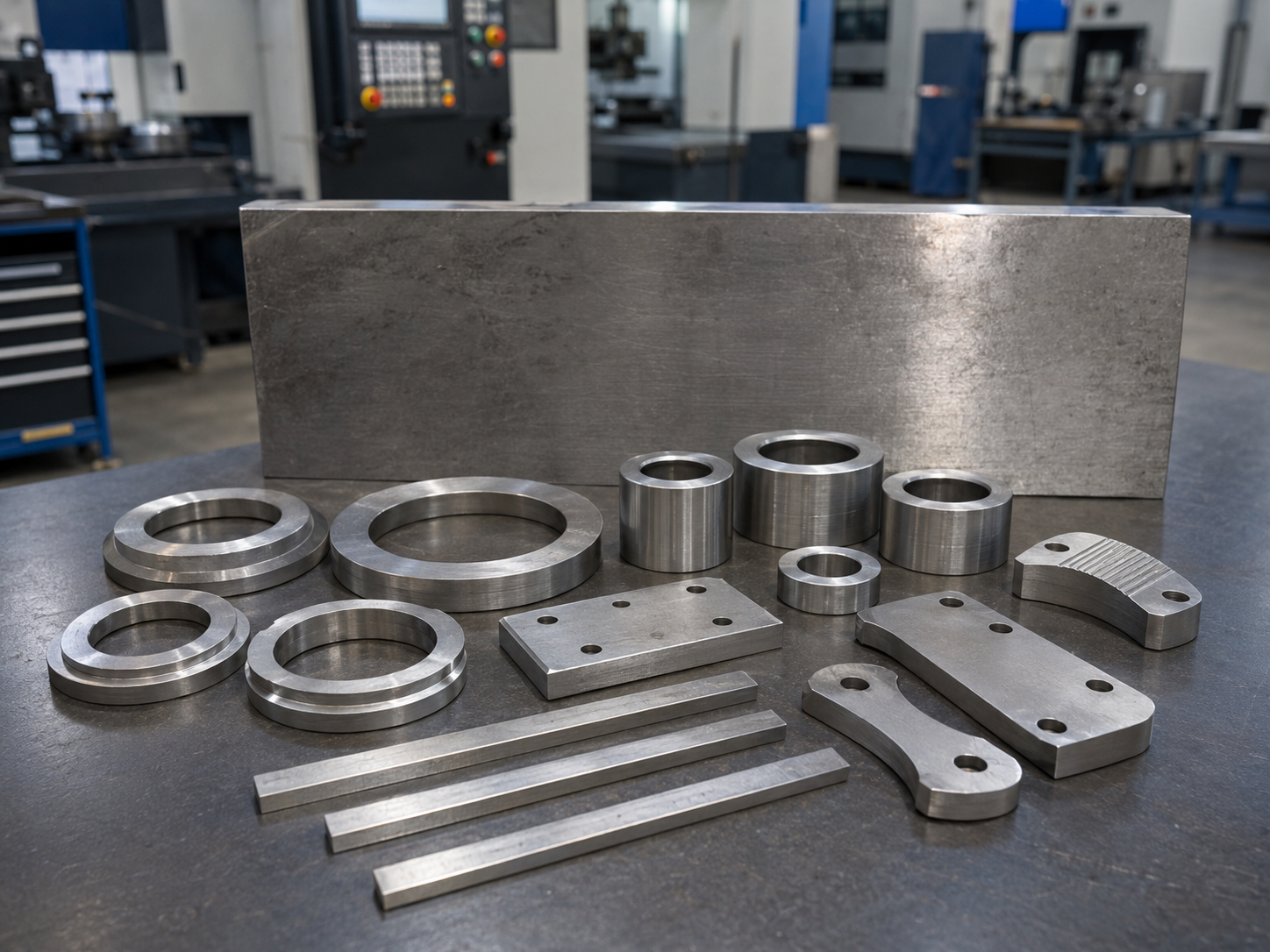
Stellite 6B plate is the flat-rolled form of wrought Stellite 6B, commonly identified as UNS R30016. AMS 5894 is frequently referenced when the material must meet an aerospace specification. Because the alloy is solid through its full thickness, a finished component can retain the same basic alloy chemistry after cutting, forming, grinding, or surface wear.
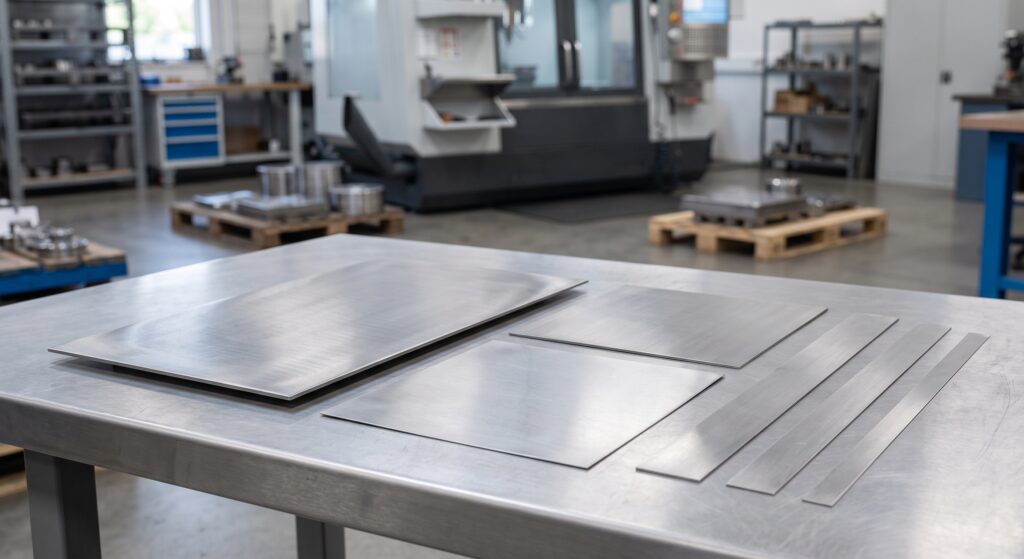
The terms Stellite 6B plate, Stellite 6B sheet, and Stellite 6B flat stock generally refer to similar forms of the same wrought alloy. The terminology may vary by supplier or market, while products sold under the same name can also differ in thickness, width, length, and surface condition. Standard and custom dimensions are available to meet specific application requirements.
What Is the Chemical Composition of Stellite 6B?
Typical AMS 5894 chemistry limits for Stellite 6B include 28.00-32.00% chromium, 3.50-5.50% tungsten, and 0.90-1.40% carbon by weight, with cobalt as the balance. Nickel and iron are normally limited to 3.00% maximum each; molybdenum is limited to 1.50% maximum; and manganese and silicon are controlled within the applicable specification.
| Cobalt | balance |
| Chromium | 28.00-32.00 wt.% |
| Tungsten | 3.50-5.50 wt.% |
| Carbon | 0.90-1.40 wt.% |
Published nominal chemistry is useful for grade identification, but the mill test certificate for the supplied heat or batch is the controlling record. A generic composition table cannot demonstrate that a specific plate complies with AMS 5894.
What Is the Hardness of Stellite 6B Plate?
Published wrought-alloy literature commonly reports Stellite 6B at approximately HRC 33-43. The actual result depends on material condition, section thickness, processing history, test method, and test location. Stellite 6B can also work-harden at a loaded contact surface. This means bulk hardness alone does not describe its complete behavior in sliding or galling applications. For incoming inspection, hardness testing is useful as a consistency check but should be combined with chemistry and traceability.
What Is Stellite 6B Plate Used For?
Stellite 6B plate and sheet are used where a solid wrought wear-resistant section is preferable to a coating or deposited overlay. Applications include:
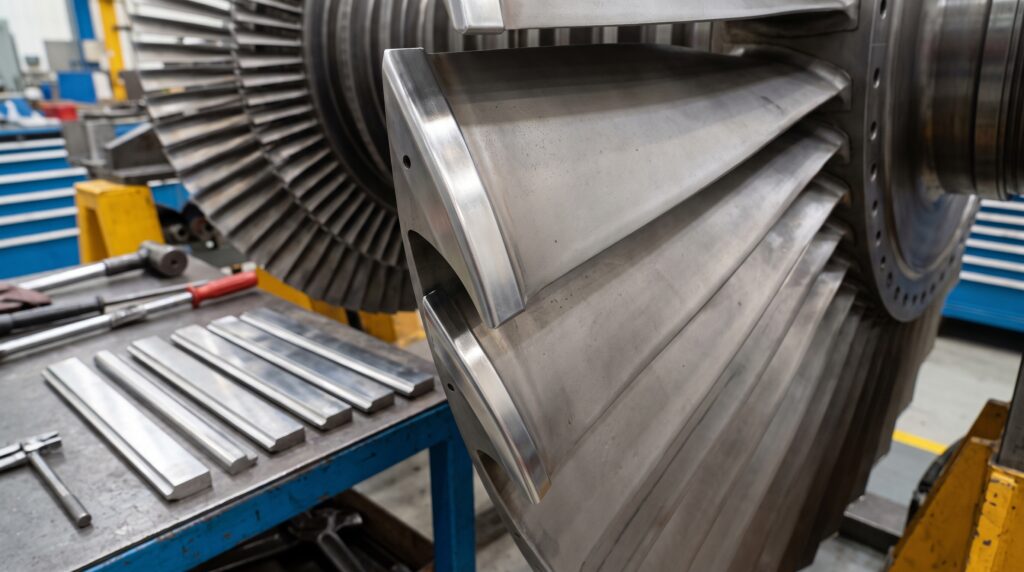
- Steam-turbine blade erosion shields and wet-steam protection components
- Valve seats, guides, sealing elements, and other flow-control parts
- Bearings, bushings, wear pads, and metal-to-metal sliding surfaces
- Food-processing wear parts and steel-mill components
- Profile-cut shields, liners, strips, and custom wear blanks
Suitability depends on the actual medium, temperature, load, impact level, mating material, lubrication, and required fabrication route.
How Does Stellite 6B Compare to Stellite 6K?
Stellite 6B and Stellite 6K are both wrought cobalt-chromium-tungsten alloys, but they are optimized for different functions. Stellite 6B contains less carbon and normally has lower bulk hardness. This gives it a broader balance of wear resistance, toughness, and formability for erosion shields, bearings, valve components, and general industrial wear parts.
Stellite 6K has a higher carbon range and typical hardness of HRC 43-47. It is primarily used where edge retention is central, including industrial knives, slitters, and scraper blades. For a component exposed to impact, bending, or general sliding wear, Stellite 6B is usually the more relevant starting grade; for a cutting or scraping edge, Stellite 6K is usually more relevant.
How to Order Stellite 6B Plate, Sheet, or Flat Stock
A complete Stellite 6B inquiry should define the material and the required product form. Include:
- Thickness, width, length, quantity, and dimensional tolerances
- Surface condition, machining allowance, and any forming or finishing requirement
- Drawing and application details for custom components
We supply Stellite 6B plate, Stellite 6B sheet, and Stellite 6B flat stock in standard or customized forms subject to technical confirmation. Send an inquiry using the form on this page, email sales@stecometals.com, or contact us on WhatsApp at +86 136 7477 1335.