
Struggling with valve components failing under high pressure and heat? This constant wear leads to costly downtime and operational headaches. Discover how Stellite 6 provides the ultimate solution.
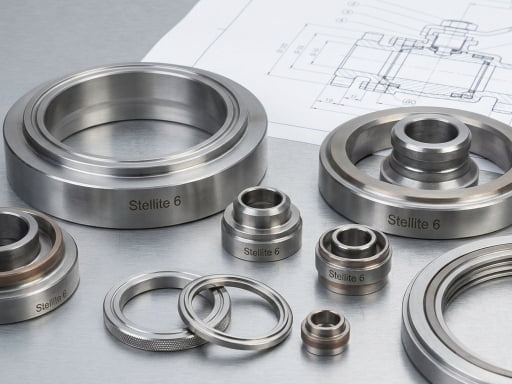
Stellite 6 is ideal for valve seats and seal rings because of its exceptional hardness, wear resistance, and corrosion resistance, even at high temperatures. This extends component life and improves overall valve reliability.
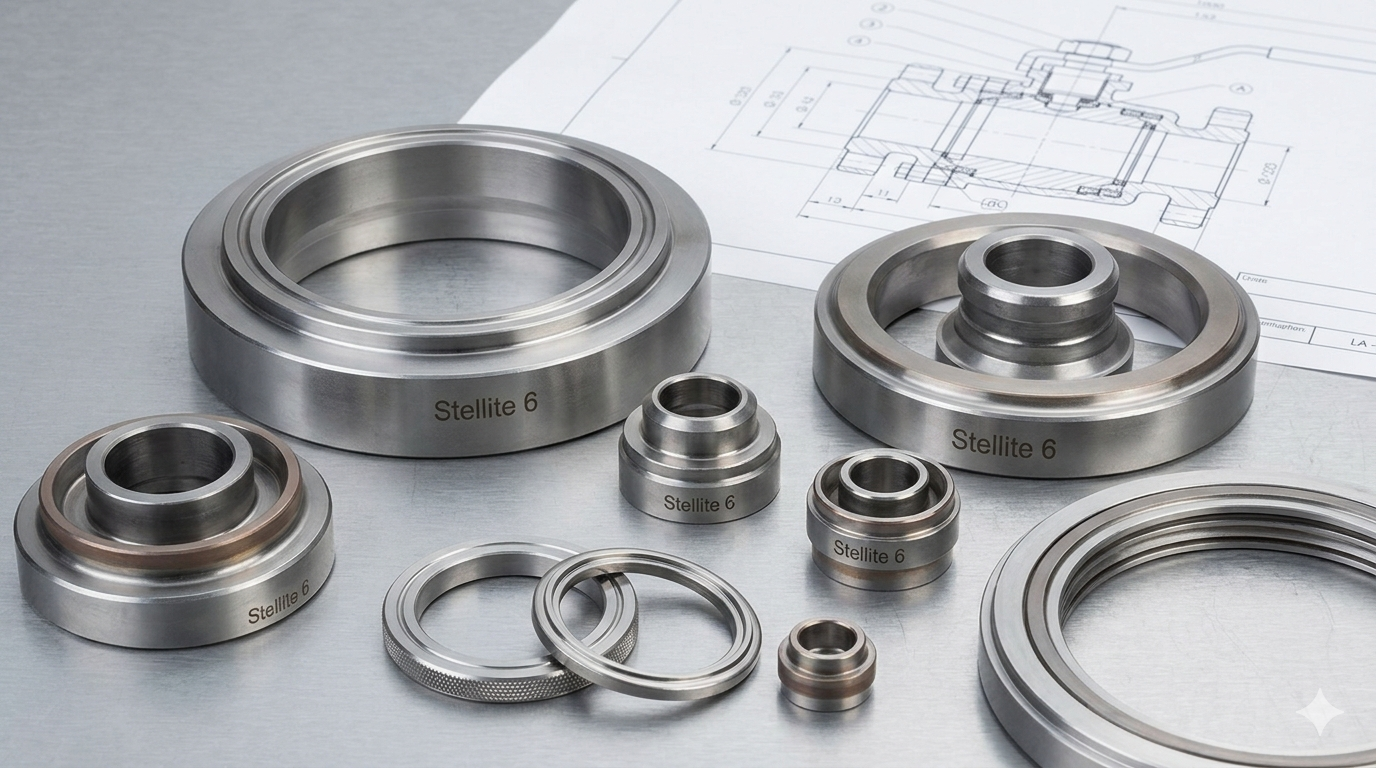
In my experience as a sourcing specialist, I’ve seen countless projects get derailed by premature valve failure. It’s a common and expensive problem for maintenance managers and engineers across many industries. But there’s a reason so many of them turn to specific high-performance materials to solve this issue for good. Let’s take a closer look at why Stellite 6 is a top contender and how it can fundamentally change your maintenance schedules and operational efficiency.
How Does Stellite 6’s Wear Resistance Extend Valve Life?
Are abrasive particles and constant friction grinding down your valve components? This leads to leaks, poor performance, and frequent, expensive replacements. Stellite 6 offers a hardened defense against this destructive wear.
Stellite 6 provides outstanding resistance to mechanical wear, abrasion, and galling. Its hard cobalt-chromium matrix contains carbides that protect surfaces, significantly extending the service life of valve seats and seal rings in demanding conditions.
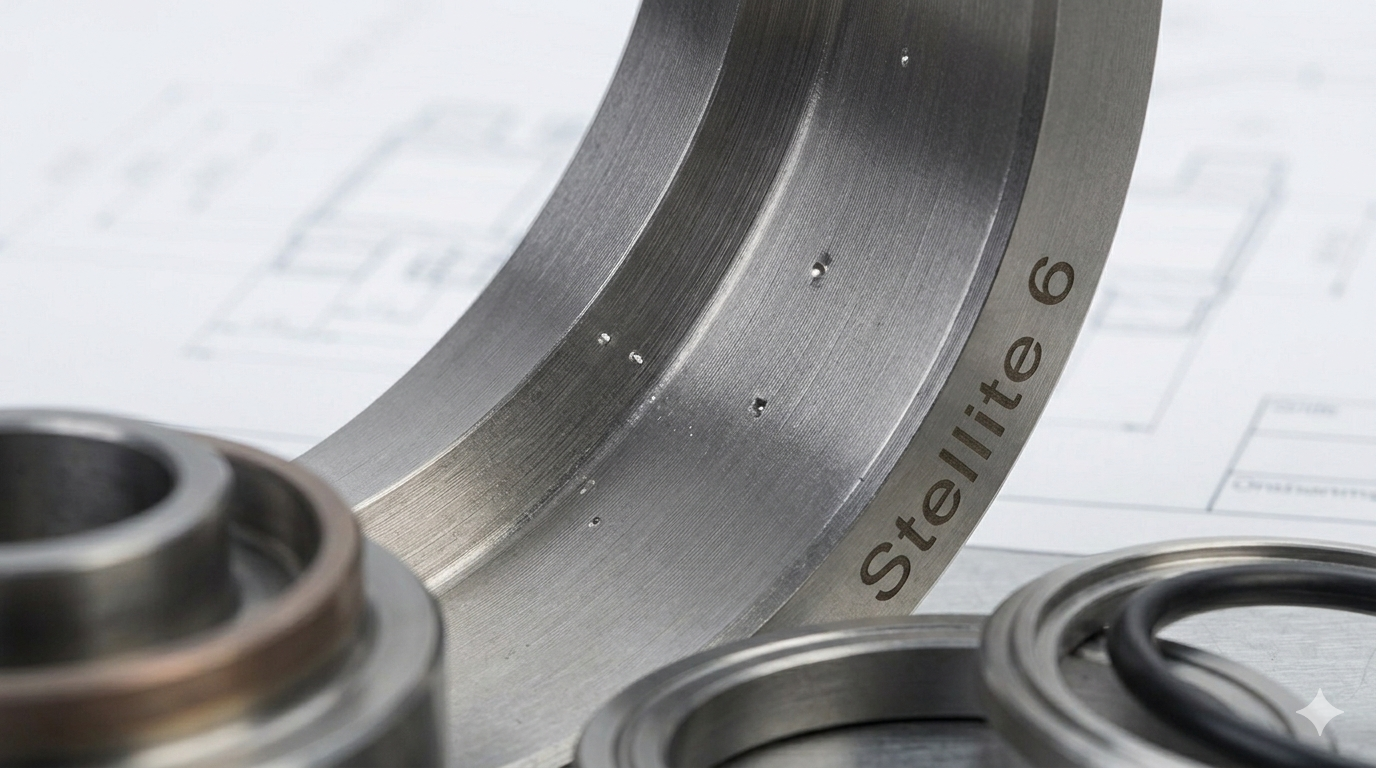
The primary job of a valve seat or seal ring is to create a tight seal, often under intense pressure and movement. When a material isn’t up to the task, it wears down quickly. This is where Stellite 6 truly shines. Its unique composition makes it one of the most wear-resistant materials available for these applications.
The Science Behind the Hardness
The secret is in its microstructure. Stellite 6 is a cobalt-based alloy, with significant amounts of chromium and tungsten. During its formation, these elements create very hard particles called carbides within a tougher cobalt-chromium matrix. Think of it like reinforced concrete. The carbides are the hard gravel, and the cobalt matrix is the cement holding it all together. This combination is incredibly effective at resisting galling, which is a form of wear caused by adhesion between sliding surfaces. So, when a valve opens and closes, the Stellite 6 surfaces slide against each other without sticking and tearing material away.
Practical Impact on Valve Performance
This resistance translates directly to longer-lasting, more reliable valves. A standard steel component might last months, but a Stellite 6 component can last for years in the same service. This drastically reduces the need for maintenance shutdowns.
| Feature | Standard Stainless Steel | Stellite 6 |
|---|---|---|
| Primary Wear Type | Galling, Abrasive Wear | Resists Galling & Abrasion |
| Typical Hardness | ~20-30 HRC | ~40-45 HRC |
| Expected Lifespan | Shorter; frequent replacement | Much longer; extended service life |
Why is Stellite 6 So Effective Against Corrosion in Valves?
Facing aggressive chemicals or high-pressure steam that eats away at your valve internals? This corrosion compromises the integrity of your seals and can lead to dangerous system failures. Stellite 6 creates a powerful barrier against chemical attack.
The high chromium content in Stellite 6 forms a passive, protective oxide layer on the surface. This makes it highly resistant to a wide range of corrosive media, including acids, alkalis, and saltwater, ensuring reliable sealing performance.
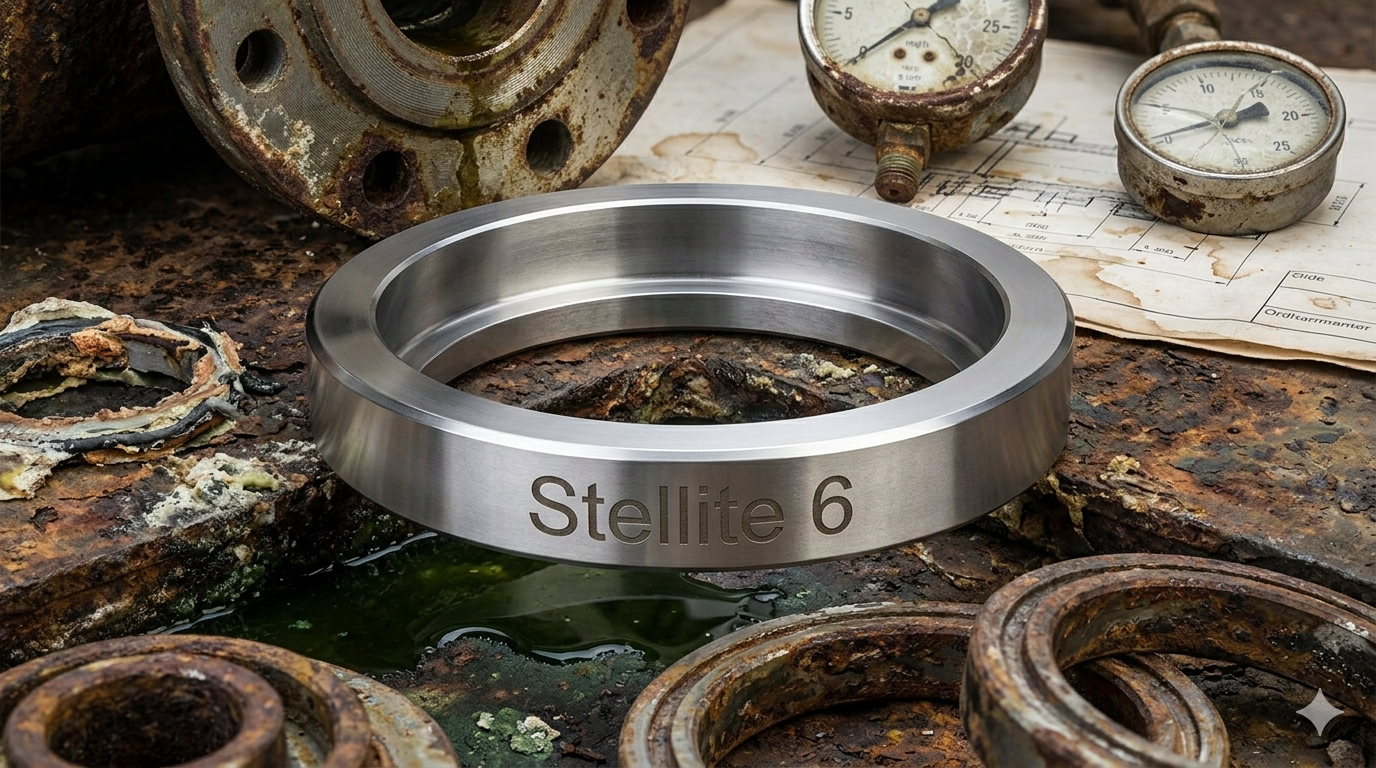
Wear resistance is only half the battle. In many industries like oil & gas, chemical processing, and power generation, valve components are constantly exposed to corrosive substances. A material can be hard, but if it corrodes, it will fail just as quickly. I’ve worked with clients who found that out the hard way. They switched to a harder material, but it wasn’t corrosion-resistant, and their problems continued.
The Role of Chromium
Stellite 6’s excellent corrosion resistance comes from its high chromium content, typically around 28-32%. When exposed to oxygen, the chromium forms a very thin, tough, and invisible layer of chromium oxide on the material’s surface. This passive layer acts like a shield, preventing corrosive chemicals from reaching and attacking the metal underneath. If the surface gets scratched, the layer instantly reforms as long as there is oxygen present. This self-healing ability is critical for maintaining protection over the long term in industrial settings.
Performance in Industrial Environments
This makes Stellite 6 a go-to choice for some of the toughest jobs. It performs exceptionally well in environments containing acids, alkalis, and even saltwater.
| Environment | Standard Stainless Steel (316L) | Stellite 6 |
|---|---|---|
| Sour Gas (H₂S) | Prone to sulfide stress cracking | Highly Resistant |
| High-Temp Steam | Can suffer from oxidation and erosion | Excellent Resistance |
| Seawater | Susceptible to pitting corrosion | Very Good Resistance |
| Dilute Acids | Moderate Resistance | Good to Excellent Resistance |
How Does Stellite 6 Maintain Its Strength at High Temperatures?
Do your valve components soften, deform, and fail when things heat up? High temperatures can ruin a material’s integrity, leading to seal failure and dangerous leaks. Stellite 6 is engineered to stay strong under extreme heat.
Stellite 6 retains its hardness and strength at elevated temperatures, a property known as “hot hardness.” This prevents deformation and wear in applications like steam lines or engine exhaust valves, ensuring consistent performance up to 800°C (1500°F).
Many materials that are hard at room temperature lose that property quickly as they heat up. For a project manager in a power plant or a refinery, this is a major concern. Valves in these facilities operate under conditions that would cause many steels to become soft and fail. This is why the “hot hardness” of Stellite 6 is such a critical benefit.
Understanding Hot Hardness
Hot hardness is the ability of a material to resist softening at high temperatures. The cobalt-base of Stellite 6 is the key here. Unlike iron-based alloys (like steel), the atomic structure of cobalt doesn’t change when it gets hot. This inherent stability means it maintains its strength and hardness far better. The chromium and tungsten in the alloy also contribute to this high-temperature strength. So, even when glowing red-hot, a Stellite 6 valve seat can maintain its shape and continue to provide a tight seal, resisting the erosive forces of high-velocity steam or gas.
Applications in High-Heat Systems
This property makes it indispensable for many critical applications. I’ve sourced Stellite 6 components for everything from power generation turbines to plastic extrusion machinery.
| Temperature | Typical Steel Hardness | Stellite 6 Hardness |
|---|---|---|
| 20°C (68°F) | ~30 HRC | ~42 HRC |
| 500°C (932°F) | Drops significantly (~15 HRC) | Stays High (~34 HRC) |
| 800°C (1472°F) | Very soft, unusable | Still effective and hard |
Is Stellite 6 a Cost-Effective Choice for Valve Components?
Worried about the higher initial cost of premium alloys like Stellite? It’s true that cheaper materials seem attractive, but they often lead to much higher lifetime costs from replacements and production downtime.
While Stellite 6 has a higher upfront material cost, it significantly reduces the total cost of ownership. Its exceptional durability leads to longer service life, far fewer maintenance cycles, and less production downtime, providing a substantial return on investment.
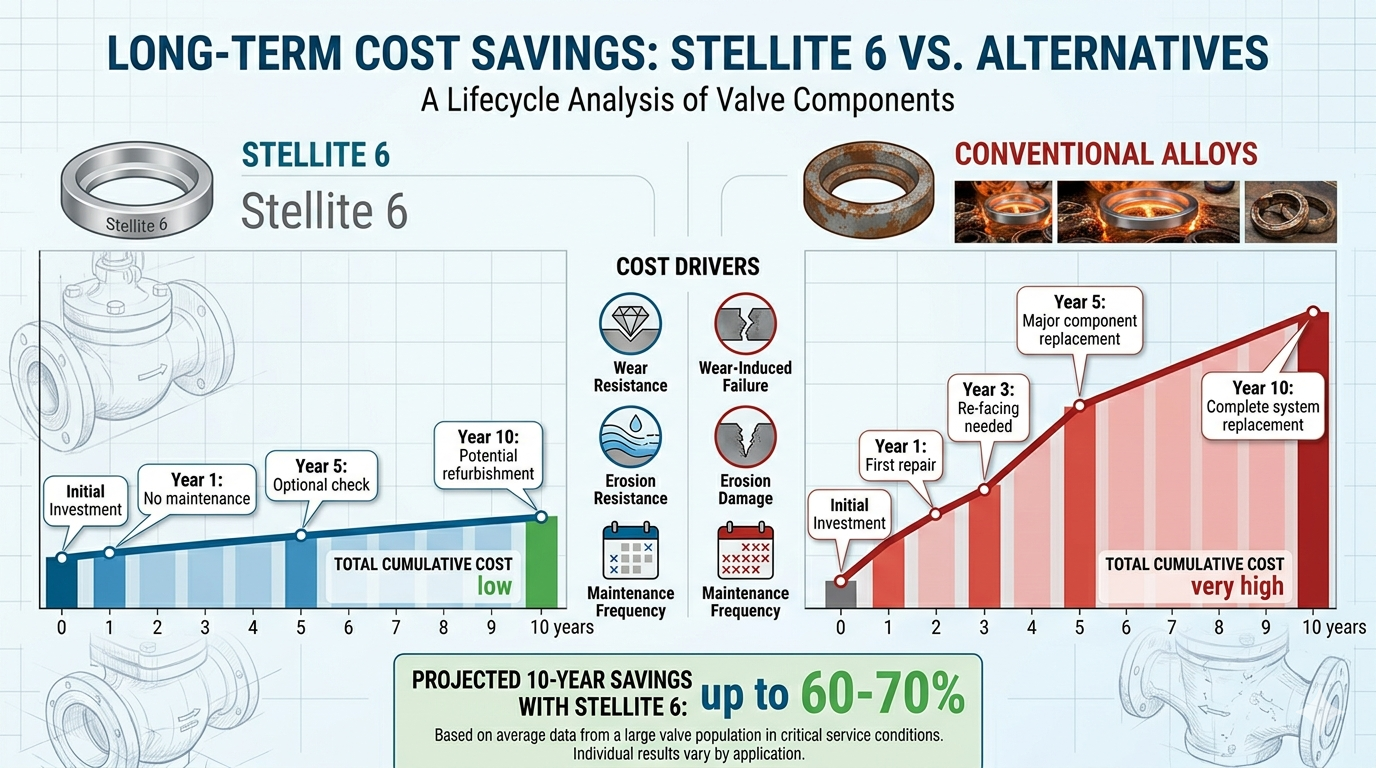
I often speak with procurement managers who are under pressure to reduce initial spending. The price tag on Stellite 6 can seem high compared to standard steel. But it’s essential to look beyond the initial purchase price and consider the entire lifecycle of the component. A cheaper part that fails every six months is far more expensive in the long run than a premium part that lasts for years.
Calculating Total Cost of Ownership
Total Cost of Ownership (TCO) is a much better metric for judging value. It includes not just the initial cost but also the costs of installation, maintenance, and, most importantly, downtime. Production downtime is often the biggest hidden cost. If a critical valve fails, an entire production line might have to shut down, costing thousands or even millions of dollars per hour. Because Stellite 6 components last so much longer and are far more reliable, they dramatically reduce the frequency of these costly shutdowns. This reliability is what engineers and project managers are really buying.
A Practical Cost Comparison
Let’s look at a simple hypothetical example over 5 years for a critical valve seat.
| Cost Factor | Standard Steel Component | Stellite 6 Component |
|---|---|---|
| Initial Cost | $200 | $1,000 |
| Lifespan | 1 year | 5+ years |
| Replacements in 5 Yrs | 4 | 0 |
| Replacement Cost | 4 x $200 = $800 | $0 |
| Downtime Cost per Event | $10,000 | $10,000 |
| Total Downtime Cost | 4 x $10,000 = $40,000 | $0 |
| Total 5-Year Cost | $41,000 | $1,000 |
Conclusion
Stellite 6 offers unmatched wear, corrosion, and heat resistance for valve components. This extends their life, boosts reliability, and significantly reduces long-term operational costs, making it the superior choice.