
Struggling with unreliable Stellite suppliers? Poor quality and communication delays can derail your projects. This guide helps you choose a partner that delivers consistent performance and value for your business.
To choose the right Stellite supplier, you must look beyond price. Focus on their technical knowledge, strict quality control, stable supply chain, and capability to produce custom parts from your drawings. This ensures long-term component reliability and performance.
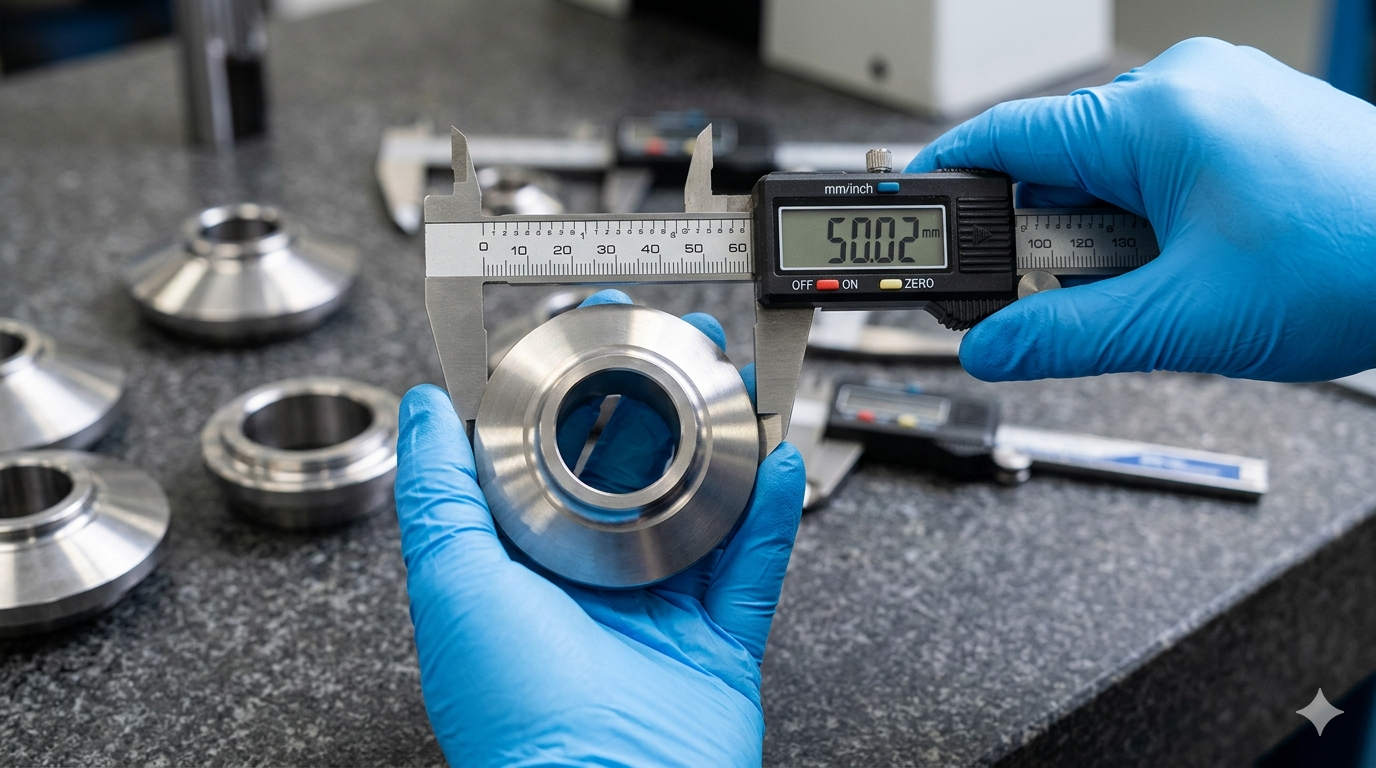
The right supplier is a partner, not just a vendor. But how do you spot the good ones from the bad? Finding a reliable source for critical wear parts is one of the biggest challenges for procurement and engineering managers. I’ve learned from years in this business that asking the right questions upfront saves a lot of headaches later. Let’s break down the key areas you need to investigate to find a supplier you can trust for the long term.
How Do You Assess a Supplier’s Technical Capability?
Your designs are complex. But can the supplier actually make them? Misunderstandings lead to useless parts and wasted money. A supplier’s technical skill is your first quality gate.
Assess their technical skills by reviewing past projects and case studies. Check their understanding of material grades and applications. Also, confirm they can work directly from your technical drawings and specifications to deliver the parts you need.

A supplier’s technical depth is the foundation of a good partnership. It’s not enough for them to just say “yes” to your order. They need to understand the why behind your design. I once worked with a client who specified a standard Stellite 6 for a component facing severe impact wear. We reviewed the application and suggested a tougher, more impact-resistant cobalt alloy grade. This simple conversation prevented premature failure and saved the client a costly field replacement. This is the kind of value a technically competent supplier provides.
Understanding Material Grades
Not all “Stellite” is the same. Stellite 6, Stellite 12, and Stellite 21 have different chemical compositions and are suited for different applications. A good supplier knows the difference and can guide you. They should understand how variations in cobalt, chromium, tungsten, and carbon affect wear resistance, corrosion resistance, and high-temperature strength.
Manufacturing Process Knowledge
How will the part be made? A knowledgeable supplier can explain the pros and cons of different manufacturing methods for your specific part. The choice between casting, powder metallurgy, or welding overlay has a huge impact on cost, lead time, and performance.
| Process | Best For | Pros | Cons |
|---|---|---|---|
| Investment Casting | Complex shapes, valve parts | High precision, good finish | Higher initial tooling cost |
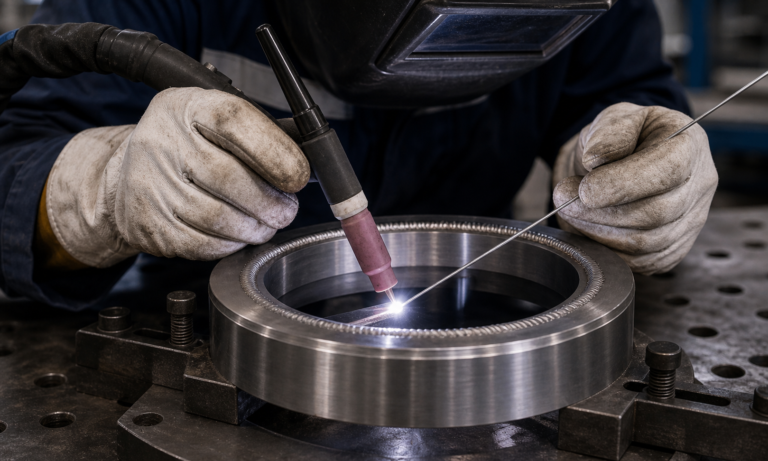
| PTA Welding | Surface overlays, repairs | Strong metallurgical bond | Slower process, affects base metal |
| Powder Metallurgy | Small bushings, nozzles | Excellent material use, net shape | Limited to smaller part sizes |
A supplier who can discuss these options with you is more likely to deliver a part that meets your performance and budget goals.
What Quality Control Systems Should a Stellite Supplier Have?
Worried about receiving parts that don’t meet spec? Bad parts cause equipment downtime and costly replacements. A supplier without robust quality control is a huge risk you can’t afford.
A reliable supplier must have a multi-stage quality system. This includes raw material certification (MTC), in-process inspections for dimensions and defects, and a final pre-shipment inspection covering dimensions, hardness, and appearance.
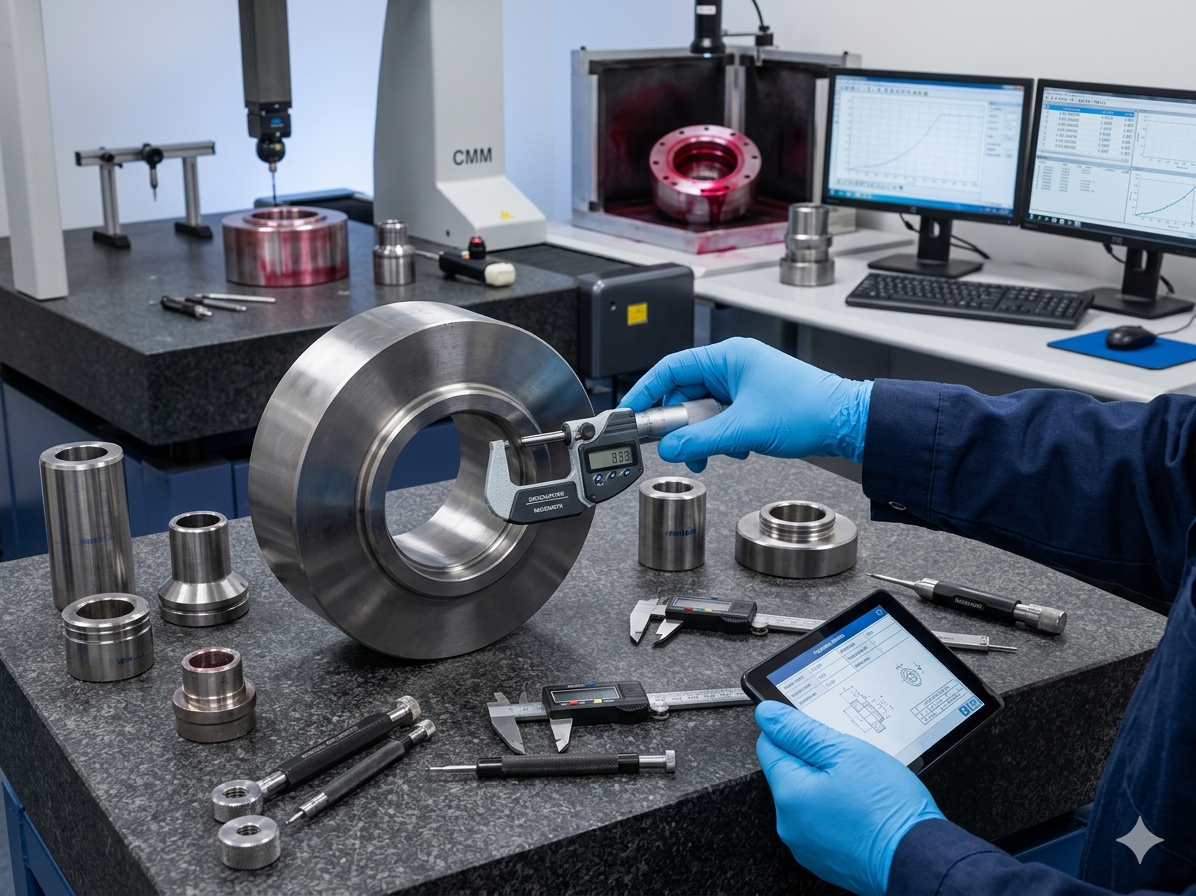
Quality control is not just a department; it’s a mindset that should run through the entire manufacturing process. I believe quality is non-negotiable. I once visited a new potential manufacturing partner and noticed their final inspection area was disorganized and poorly lit. It was an immediate red flag. We worked with them to establish a clean, dedicated inspection station with calibrated tools. The improvement in part consistency was immediate. This experience taught me that how a supplier treats quality control tells you everything about their professionalism.
The Importance of Material Traceability
Every project should begin with certified material. Always ask your supplier for a Material Test Certificate (MTC) or Certificate of Conformance (CoC) for the raw alloy. This document is your proof that the chemical composition and mechanical properties are correct. For critical industries like Oil & Gas or Power Generation, this traceability is essential for safety and reliability. At STECO, we ensure our partners provide full documentation for every batch.
In-Process and Final Inspections
Quality isn’t something you inspect at the end; it’s built in at every step. Good suppliers perform checks throughout production. This includes:
- Dimensional checks after each machining operation.
- Non-Destructive Testing (NDT) like Dye Penetrant Testing (PT) to find surface cracks or X-rays for internal flaws.
- A final, comprehensive pre-shipment inspection.
Before anything leaves the factory, we check all critical dimensions against the drawing one last time. We test hardness, verify the surface finish, and ensure the packaging is secure for export. This final gate is our promise to you that the part is right.
Why Does Supply Chain Coordination Matter More Than Just Price?
You found a cheap price, but now you face delivery delays and communication chaos. Low prices often hide high costs in project management, stress, and missed deadlines.
A supplier who coordinates the entire supply chain—from raw material to machining, inspection, and export—saves you time and reduces risk. They act as your single point of contact, ensuring a smooth process from order to on-time delivery.
Many buyers think their job is to find the lowest price. But experienced procurement managers know that total cost of ownership is what really matters. I’ve seen companies try to manage multiple Chinese factories themselves to save money. They quickly get overwhelmed by language barriers, logistical challenges, and quality disputes between the caster and the machine shop. A good sourcing partner eliminates this chaos. We act as your team on the ground, managing the entire process so you can focus on your core business. This coordinated service is where the real value lies.
The Role of a Sourcing Partner
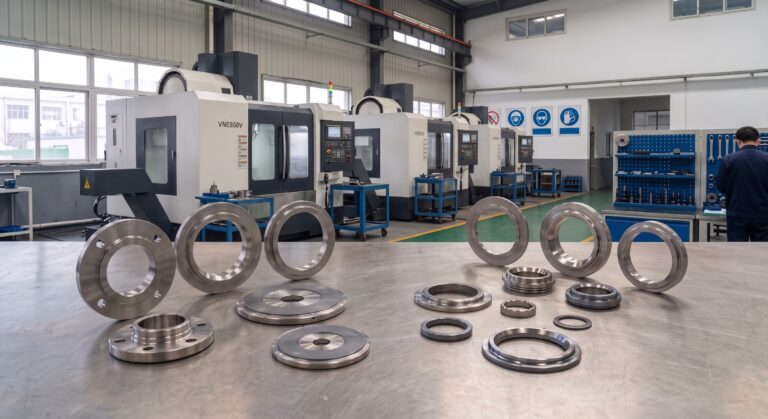
In China, the factory that excels at investment casting is rarely the best at precision CNC machining or specialized grinding. A sourcing partner like us identifies and coordinates these different specialists. We manage the handoffs and ensure quality is maintained at every stage. Instead of you managing three or four different vendors, you have one point of contact. We handle all the communication, scheduling, and problem-solving. This integrated approach is more efficient and leads to better, more consistent outcomes.
Managing Logistics and Export
Getting your parts manufactured correctly is only half the job. The other half is getting them packaged securely and shipped to your facility without any issues. This involves:
- Export-grade packaging to prevent damage during long-distance transit.
- Preparing all necessary customs documents accurately to avoid delays.
- Coordinating with freight forwarders for timely pickup and delivery.
I’ve seen perfectly good orders get stuck at customs for weeks due to a simple paperwork mistake. Our job is to manage these details meticulously to ensure a seamless transition from the factory floor in China to your receiving dock.
How Do You Verify a Supplier’s Ability to Handle Custom Parts?
Your project needs a unique, custom-made part. But many suppliers only offer standard products. Finding one with true custom capabilities is critical to your success and prevents your project from stalling.
Verify custom capabilities by providing a complex drawing and asking detailed questions about their proposed manufacturing process. Request examples of similar custom parts they’ve made. A capable supplier will engage in a technical discussion with you.
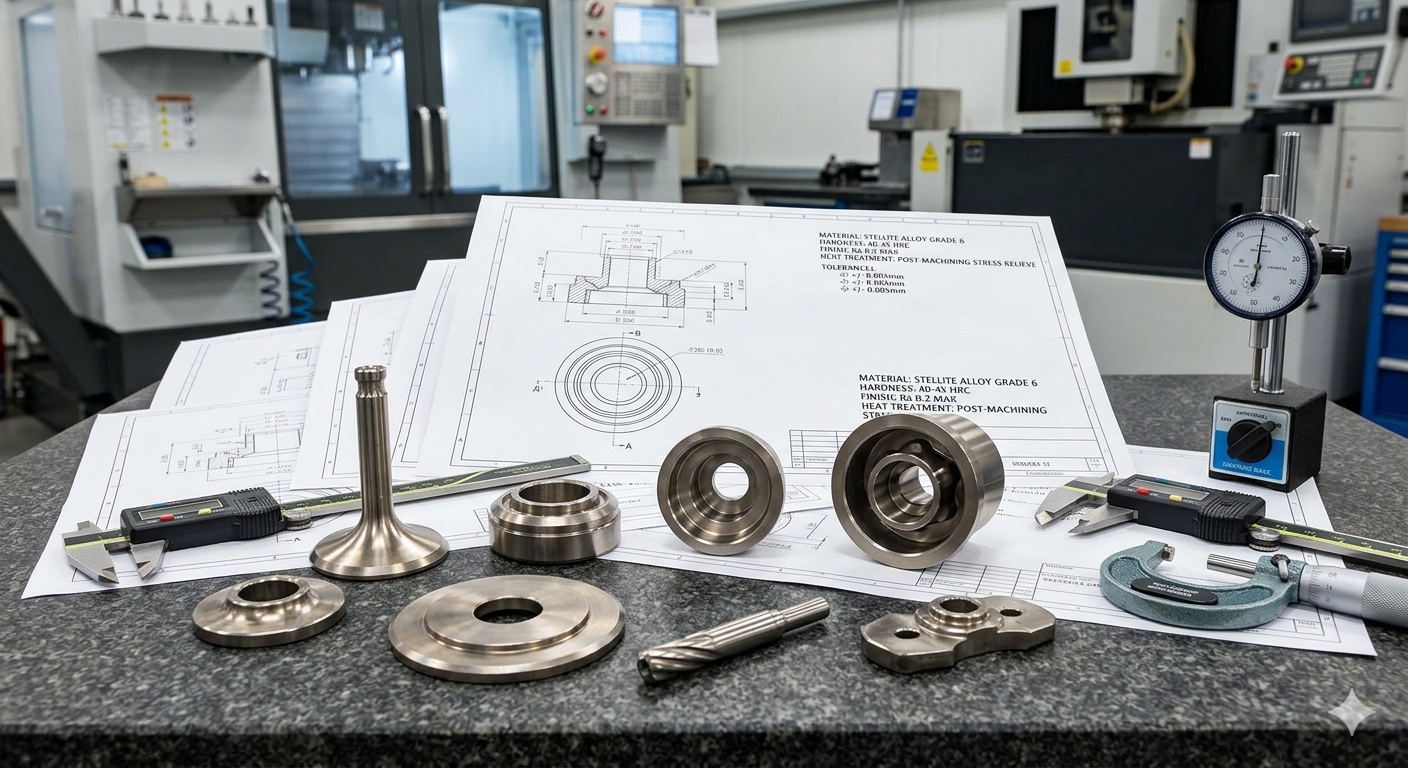
The ability to make custom parts is what separates a simple vendor from a true manufacturing partner. Anyone can sell a standard bushing. But can they make a complex valve cage with tight tolerances from your drawing? The best sign of a capable custom supplier is their curiosity. When I send a drawing to a potential partner, I want them to ask questions. If they just say “no problem” and give me a price, I’m suspicious. If they ask about critical surfaces, tolerances, and the part’s function, I know they’re thinking like an engineer and are serious about getting it right.
From Drawing to Reality
A truly capable supplier will analyze your technical drawing. They will identify the critical features, understand the tolerance callouts, and think about the best way to achieve the required surface finish. They should communicate with you, asking things like, “This diameter has a very tight tolerance. Is it for a press fit?” This kind of dialogue is a positive sign. It shows they are engaged and committed to delivering a functional part, not just a piece of metal that looks like the drawing.
The Value of Small-Volume and Prototyping
Before you commit to a large production run, you often need a few prototypes or a small batch for testing. Many large factories aren’t interested in small, one-time orders. This is where a flexible sourcing partner adds significant value. We have relationships with manufacturers who are willing to take on small-volume jobs for qualification. This allows you to test the part in your actual application, verifying its performance and fit before investing in expensive tooling and large-scale production. This flexibility dramatically reduces your risk when developing new products.
| Checklist for Custom Part Suppliers | What to Look For |
|---|---|
| Technical Review | Do they review your drawing and ask clarifying questions? |
| Process Proposal | Can they clearly explain how they plan to make the part? |
| Past Examples | Can they show photos or samples of similar complex parts? |
| Prototyping Support | Are they willing and able to produce a small test batch? |
Conclusion
Selecting a Stellite supplier is about finding a partner. Prioritize technical skill, quality control, and supply chain management. This ensures long-term reliability and reduces your overall operational costs.